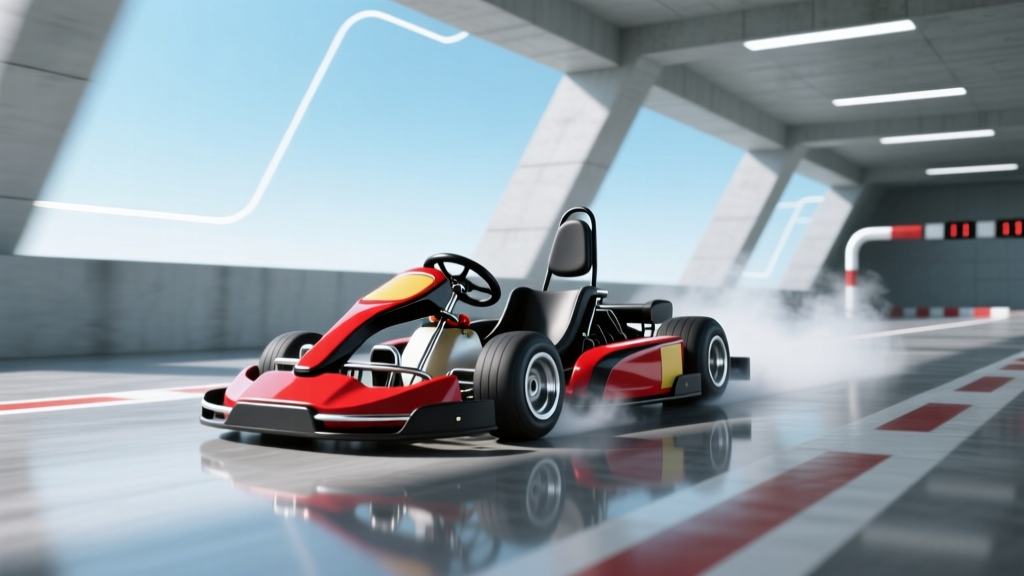
How Fast Do Go Karts Go? Top Speeds by Type
Go-karts can reach speeds between 25 to 60 mph (40 to 97 km/h) depending on the type, engine size, and track conditions. Recreational karts typically max out around 25–35 mph, while professional racing karts can exceed 60 mph on larger tracks.
Understanding Go-Kart Speeds: What Determines How Fast They Go?
Go-kart speed varies widely based on several key factors including engine power, kart class, driver weight, track layout, and tire grip. While casual riders at entertainment venues experience moderate speeds for safety, competitive circuits demand high-performance machines capable of rapid acceleration and top-end velocity.
Types of Go-Karts and Their Speed Ranges
- Recreational (Rental) Karts: Found in amusement parks and indoor tracks; limited to 25–35 mph.
- Lawn Mower Engine Karts: Homemade or beginner models with small engines; usually under 20 mph.
- Intermediate (Track Rental) Karts: Slightly more powerful; often reach 40–45 mph.
- Professional Racing Karts (e.g., KZ, OK): Use 125cc 2-stroke or electric motors; capable of 60+ mph.
- Superkarts: High-speed variants with aerodynamic bodies; can exceed 70 mph on long straights.
Key Factors Influencing Go-Kart Performance
Beyond engine specs, real-world performance depends on:
- Driver Skill: Smooth cornering and braking improve lap times more than raw speed.
- Tire Compound: Softer tires offer better grip, increasing cornering speed.
- Track Design: Shorter tracks with tight turns limit top speed; longer straights allow higher velocities.
- Kart Weight: Lighter chassis improves acceleration and handling.
- Aerodynamics: Minimal drag is crucial at speeds above 50 mph.
Engine Types and Their Impact on Speed
The engine is the most significant determinant of how fast a go-kart can go. Different classes use varying engine configurations:
| Kart Type | Engine | Top Speed (mph) | Top Speed (km/h) | 0-60 mph (sec) | Common Use |
|---|---|---|---|---|---|
| Rental Kart | 270cc 4-stroke | 30 | 48 | N/A | Indoor Tracks |
| Junior Racing Kart | 80cc 2-stroke | 45 | 72 | 6.5 | Youth Competitions |
| Senior Racing Kart (OK) | 125cc 2-stroke | 60 | 97 | 4.0 | CIK-FIA Events |
| Electric Superkart | 15 kW Brushless Motor | 70 | 113 | 3.8 | High-Performance Tracks |
| Pro Indoor Electric Kart | 9 kW AC Motor | 45 | 72 | 5.2 | Commercial Racing Arenas |
The data shows that professional racing karts with 125cc two-stroke engines achieve the highest balance of speed and acceleration. Electric karts are closing the gap, with some reaching 70 mph thanks to instant torque delivery. Even rental karts now use advanced electric drivetrains that match gasoline performance while reducing maintenance.
How Track Conditions Affect Go-Kart Speed
Even the fastest kart cannot reach its potential on a poorly designed or maintained track. Surface texture, elevation changes, and weather play critical roles:
- Outdoor vs. Indoor Tracks: Outdoor tracks are generally longer with extended straights, enabling higher top speeds.
- Pavement Grip: Fresh asphalt provides better traction than worn concrete, improving both cornering and acceleration.
- Weather: Wet conditions reduce speeds by up to 30% due to reduced tire adhesion.
- Safety Barriers: Closer barriers force slower cornering for rider protection.
Frequently Asked Questions About Go-Kart Speeds
How fast do rental go-karts go?
Most recreational go-karts are electronically limited to 25–35 mph (40–56 km/h) for safety reasons. These karts are designed for beginners and family entertainment, prioritizing control over speed.
Can go-karts go faster than 60 mph?
Yes, high-performance racing karts such as Superkarts or electric prototypes can exceed 70 mph (113 km/h) on long, straight tracks. However, these are not used in public rental facilities due to safety regulations.
What makes a go-kart faster: horsepower or weight?
Both matter, but power-to-weight ratio is the best indicator. A lightweight kart with a moderately powerful engine often outperforms a heavier kart with more horsepower due to improved acceleration and handling.
Are electric go-karts faster than gas-powered ones?
In some cases, yes. Modern electric go-karts deliver instant torque, allowing quicker off-the-line acceleration. Top speeds are comparable, but electric models are increasingly favored in professional leagues for consistency and lower emissions.
Do heavier drivers go slower in go-karts?
Marginally. Heavier drivers may experience slightly slower acceleration and reduced cornering agility due to increased load on tires. However, skilled drivers can compensate through technique, minimizing time differences on track.
Conclusion
Go-kart speeds range from 25 mph in rental arenas to over 70 mph in elite racing categories. Understanding the interplay between engine type, kart design, and track conditions helps enthusiasts choose the right experience and optimize performance. Whether you're a weekend rider or aspiring racer, knowing how fast go-karts can go enhances both safety and enjoyment.
More Articles
 Bungee Jumping Death Rate: 1 in 500,000 (2026)
 What Do MotoGP Riders Wear on Their Hands?
 Ideal Chlorine Level for Swimming Pool (1.0–3.0 ppm)
 How Long Is a Swimming Pool? Sizes Explained
 How Many Pushups in a Row Is Good? By Age & Fitness Level
 How Fast Can the Average Human Sprint?
 When Was Ice Hockey Founded? Key Dates & History
 How Many People Are on an Ice Hockey Team?
 Where Can I Swim with Whale Sharks? Top 5 Spots in 2025
 Can Flamingos Swim? Facts & Behavior Explained