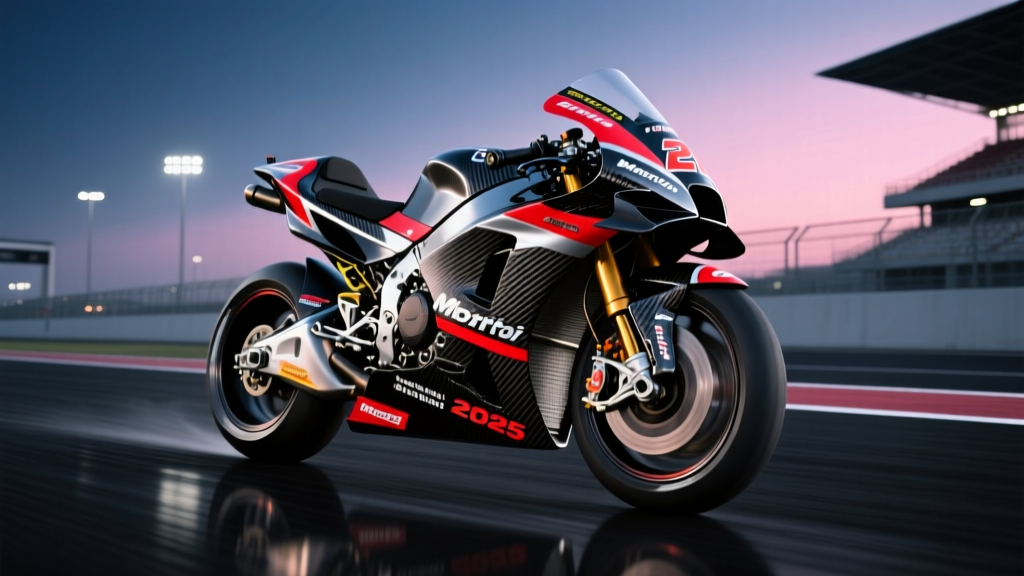
How Much Is a MotoGP Bike? Cost Breakdown 2025
A MotoGP bike typically costs between $2 million and $3.5 million, with the exact price depending on the manufacturer, technology, R&D investment, and team specifications. This high cost reflects cutting-edge engineering, advanced electronics, aerodynamics, and bespoke components designed for peak performance at speeds exceeding 360 km\/h.
What Determines the Cost of a MotoGP Bike?
The price of a MotoGP motorcycle isn't fixed like a production vehicle. Instead, it's shaped by a combination of research, development, materials, and continuous innovation. Unlike consumer bikes, these machines are custom-built prototypes developed by factory teams such as Ducati, Yamaha, Honda, and KTM, each investing tens of millions annually to remain competitive.
Key Factors Influencing MotoGP Bike Pricing
- Research and Development (R&D): Each team spends millions refining engine performance, chassis dynamics, and software integration.
- Materials and Manufacturing: Use of carbon fiber, titanium, magnesium, and aerospace-grade aluminum increases durability and reduces weight. \li>Electronics and Software: Advanced traction control, wheelie control, launch control, and data telemetry systems require extensive programming and testing.
- Aerodynamics: Custom-developed fairings and wings improve stability at high speeds but require wind tunnel testing and CFD simulations.
- Team Infrastructure: Costs include logistics, spare parts, backup bikes, and on-site engineering support during races.
Comparison of MotoGP Bikes by Manufacturer
Different manufacturers employ varying strategies in design and technology, which directly impacts the overall cost and performance of their bikes. Below is a detailed breakdown of current MotoGP bikes and estimated pricing based on public disclosures and industry analysis.
| Manufacturer | Model Name | Engine Type | Horsepower | Top Speed (km\/h) | Estimated Cost (USD) |
|---|---|---|---|---|---|
| Ducati | Desmosedici GP24 | V4 | 280+ | 362 | $3,200,000 |
| Yamaha | YZR-M1 | Inline-4 | 270 | 355 | $2,800,000 |
| Honda | RC213V | V4 | 275 | 358 | $3,000,000 |
| KTM | RC16 | V4 | 278 | 360 | $3,500,000 |
| Suzuki | GSX-RR (Withdrawn) | Inline-4 | 270 | 352 | $2,600,000 |
The data shows that KTM has the highest estimated cost despite not winning a championship recently, reflecting heavy investment in development. Ducati leads in top speed and horsepower, correlating with its competitive edge since 2020. Yamaha maintains a lower cost while focusing on rider-friendly electronics and chassis balance. The withdrawal of Suzuki from MotoGP after 2022 highlights the financial burden of sustaining such high-level competition.
Why Are MotoGP Bikes So Expensive?
MotoGP represents the pinnacle of motorcycle racing, where every component is optimized for performance rather than mass production. These bikes are not available for sale to the public and are built exclusively for racing circuits under FIM regulations.
Breakdown of High-Cost Components
- Custom Engine Builds: Each engine is hand-assembled and tuned, often rebuilt after every race weekend.
- Carbon Fiber Parts: Used in fairings, wheels, and bodywork—lightweight yet extremely costly to produce.
- Data Systems: Real-time telemetry systems transmit over 100 channels of data per second to pit crews.
- Rider-Specific Tuning: Bikes are adjusted for individual rider preferences, including ergonomics and suspension settings.
- Regulatory Compliance: Teams must adhere to strict technical rules while pushing innovation boundaries.
Cost vs. Performance: Is Higher Price Always Better?
While higher investment often correlates with better performance, success in MotoGP also depends on rider skill, team strategy, and reliability. For example, Ducati dominates in speed and wins, but KTM spends more per bike without matching results—indicating that spending alone doesn’t guarantee podium finishes.
Additionally, the introduction of the Spec ECU (Electronic Control Unit) in 2016 helped level the playing field by standardizing software across teams, reducing the advantage of larger budgets in electronic development.
Frequently Asked Questions About MotoGP Bike Costs
Can you buy a MotoGP bike?
No, MotoGP bikes are not available for purchase by the public. They are prototype racing machines built exclusively for competition and cannot be registered for road use. However, some manufacturers offer limited-edition replica models like the Ducati Desmosedici RR, priced around $60,000, which mimic aesthetics but lack race-spec performance.
How much does it cost to run a MotoGP team?
Operating a full MotoGP team costs between $40 million and $80 million annually. Factory teams like Ducati or Yamaha spend heavily on personnel, travel, R&D, spare parts, and multiple chassis per rider. Satellite teams reduce costs using year-old bikes and smaller budgets, typically spending $10–20 million per season.
Are all MotoGP bikes the same price?
No, prices vary significantly between manufacturers due to differences in technology, materials, and development focus. For instance, KTM’s RC16 is currently the most expensive due to aggressive development spending, while Yamaha maintains efficiency with proven systems.
Why do MotoGP bikes cost millions when superbikes are cheaper?
MotoGP bikes are one-off prototypes using motorsport-specific technologies not found in production superbikes. In contrast, World Superbike machines are based on consumer models and modified for racing, making them far less expensive—typically under $500,000 to build and operate.
Do MotoGP riders pay for their bikes?
No, top riders are paid by their teams or manufacturers to compete. Their contracts often include performance bonuses, appearance fees, and sponsorship incentives. Only in lower-tier or independent entries might financial arrangements differ, but even then, the team covers equipment costs.
More Articles
 How Many Players on an Ice Hockey Team?
 What Swimming Pools Are Open Now? Find Nearby Access
 Where to Purchase Swim Caps: Best Online & In-Store Options
 Best Sports for Weight Loss: 10 High-Calorie-Burning Activities Ranked
 Ultimate Tennis Guide: Rules, Equipment, Technique, Strategy, and Player Development
 How Long to Swim English Channel: Average & Record Times
 Where Can I Swim Laps Near Me? Top Options & Tips
 Best Breakdown Channel: Tech Explainers Ranked
 How Many Laps in a Formula 1 Race? Full Breakdown
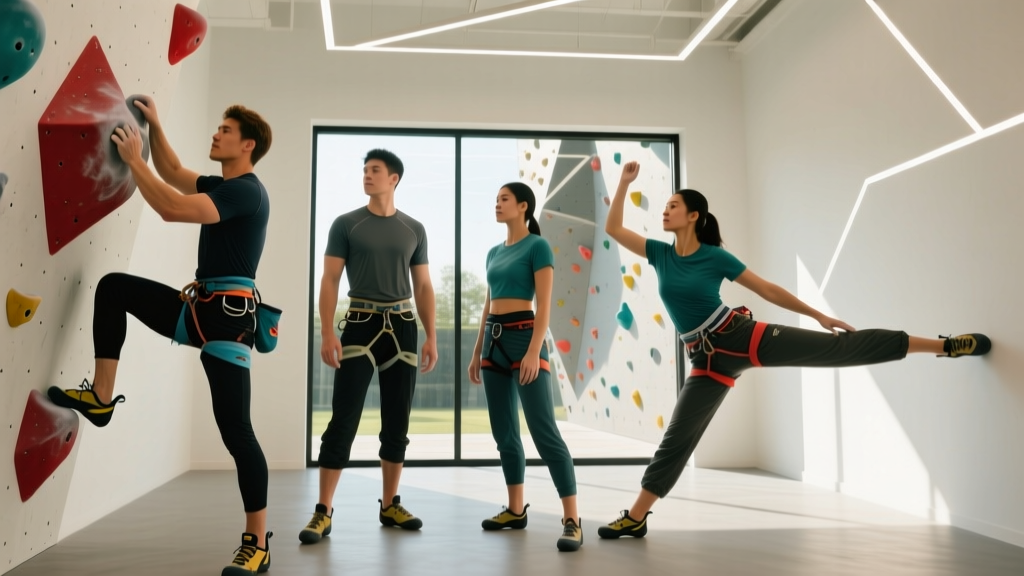 What to Wear at a Rock Climbing Gym