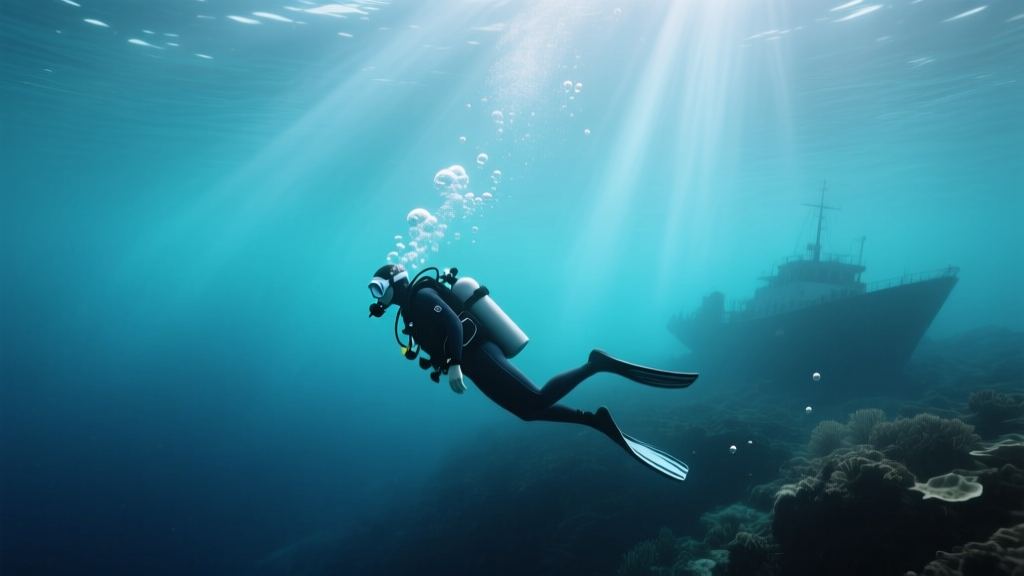
How Deep Can You Scuba Dive? Depth Limits Explained
Recreational scuba diving typically reaches depths of 130 feet (40 meters), while technical and commercial divers may go much deeper—up to 1,000 feet (305 meters) or more using specialized equipment and mixed gases.
Understanding Scuba Diving Depth Limits
Scuba diving depth is governed by training standards, equipment capabilities, and physiological limits. The average recreational diver is trained to a maximum depth of 130 feet (40 meters), as defined by agencies like PADI and NAUI. Exceeding this requires advanced certification due to increased risks such as nitrogen narcosis, oxygen toxicity, and decompression sickness.
Why Depth Matters in Scuba Diving
- Increased pressure at depth affects gas absorption in the body
- Visibility and light diminish rapidly below 60 feet (18 meters)
- Air consumption rises with depth due to compressed air volume
- Risk of decompression stops increases significantly past 100 feet (30 meters)
- Emergency ascent time grows with depth, raising danger
Types of Diving and Their Depth Ranges
Different diving disciplines operate within specific depth envelopes based on purpose, training, and technology. Understanding these categories helps clarify how deep scuba diving can realistically go.
Recreational Diving
Limited to 130 feet (40 meters), recreational diving includes activities like reef exploration and wreck tours. Most dives occur between 30–90 feet (9–27 meters) for safety and optimal experience.
Technical Diving
Technical divers use mixed gases (trimix, heliox) and staged decompression to reach depths of 200–1,000 feet (60–305 meters). These dives require extensive planning, redundant gear, and months of preparation.
Commercial and Military Diving
Professional divers working in offshore oil, salvage, or defense operations may descend beyond 1,000 feet (305 meters) using saturation diving techniques, where divers live in pressurized chambers for days or weeks.
Record Depths in Scuba Diving History
The deepest recorded scuba dive was completed by Ahmed Gabr in 2014, reaching 1,090 feet (332 meters) off the coast of Egypt. This extreme dive required over 14 hours of decompression and involved 7 support divers.
| Dive Type | Max Depth (feet) | Max Depth (meters) | Gas Mixture | Typical Duration |
|---|---|---|---|---|
| Recreational Open Water | 60 | 18 | Compressed Air | 45–60 min |
| Recreational Advanced | 130 | 40 | Compressed Air / Nitrox | 30–45 min |
| Technical Trimix | 300 | 91 | Trimix (O₂, N₂, He) | 60–120 min + deco |
| Deep Technical | 600 | 183 | Heliox / Trimix | 2–4 hours + extended deco |
| Saturation Dive (Commercial) | 1,000+ | 305+ | Heliox / Saturation Gas | Days to weeks under pressure |
| World Record (Ahmed Gabr) | 1,090 | 332 | Custom Trimix Blends | ~14 hours decompression |
The table illustrates how depth correlates with gas choice, duration, and risk level. As depth increases, so does reliance on helium-based mixtures to reduce nitrogen narcosis and oxygen toxicity. Dive times appear shorter at greater depths due to high gas consumption and mandatory decompression obligations.
Physiological Challenges at Depth
Going deeper introduces serious health risks that limit practical diving depth.
Nitrogen Narcosis
Begins around 100 feet (30 meters), causing impaired judgment similar to alcohol intoxication. Also known as “the rapture of the deep,” it worsens with depth.
Oxygen Toxicity
At pressures exceeding 1.4 atmospheres, oxygen becomes toxic and can trigger seizures. This limits the use of pure oxygen or high-nitrox blends to shallow depths.
Decompression Sickness
Rapid ascent from depth causes dissolved gases to form bubbles in tissues. Deep dives require slow, staged ascents with decompression stops to avoid “the bends.”
Frequently Asked Questions About How Deep Scuba Diving Goes
How deep can beginner scuba divers go?
Newly certified open water divers are typically limited to 60 feet (18 meters). With additional training, they can progress to 130 feet (40 meters) under recreational guidelines.
What is the deepest a human has scuba dived?
The deepest scuba dive ever recorded was 1,090 feet (332 meters) by Egyptian diver Ahmed Gabr in 2014, recognized by Guinness World Records.
Why can’t scuba divers go deeper than 130 feet without special training?
Beyond 130 feet, risks like nitrogen narcosis, oxygen toxicity, and decompression sickness increase dramatically. Special gas mixes and decompression procedures are required, which demand advanced training.
Do deeper dives last longer or shorter?
Deeper dives usually last shorter bottom times due to faster air consumption and increased nitrogen absorption, requiring longer decompression stops during ascent.
Can you scuba dive to the Titanic?
No, the Titanic rests at 12,500 feet (3,800 meters), far beyond scuba limits. Only submersibles with life-support systems can reach that depth.
More Articles
 Cheap vs Premium Swim: Performance, Durability, and Value Decoded
 Olympic Swimming Events 2026: Full List
 What Does a Bent Over Row Work? Back Muscles Explained
 Best Baseball Gloves for Youth Players: 2026 Sizing and Fit Guide
 How Much Water to Put in a Swimming Pool
 How Many Calories Does Rock Climbing Burn?
 Who Owns Formula 1? Liberty Media Ownership Explained
 How Far to Swim the English Channel: Real Distance & Facts
 Rules vs Reality: Performance Data Check
 Where Was Field Hockey Invented? Origin & History