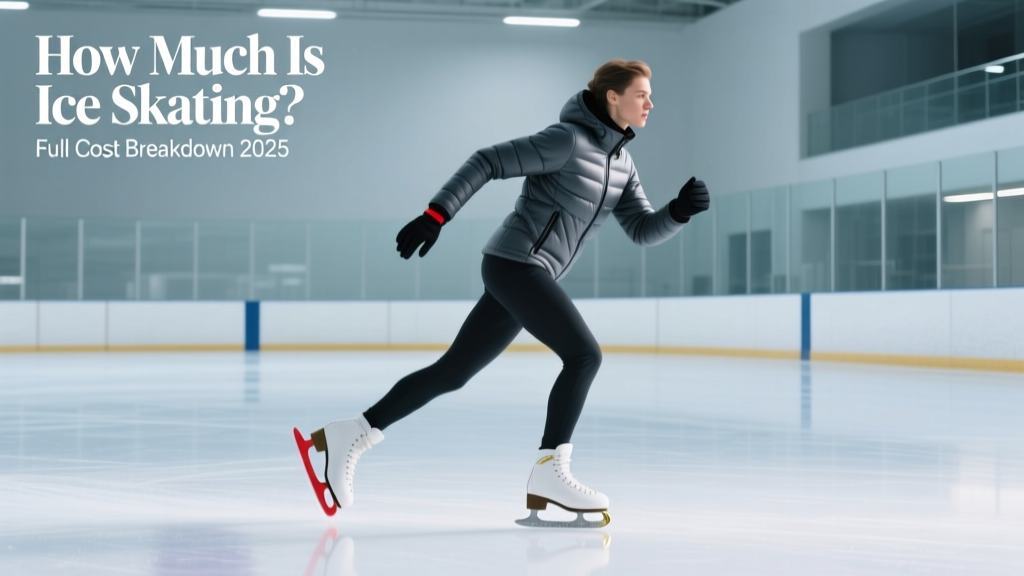
How Much Is Ice Skating? Full Cost Breakdown 2025
Ice skating costs vary widely based on location, skate type, and frequency, but expect to pay $10–$25 for public rink admission, $20–$50 for rental skates, and $100–$300+ for a quality pair of beginner skates. Lessons typically range from $40–$80 per session.
Understanding the Cost Breakdown of Ice Skating
Ice skating is a popular recreational and competitive sport enjoyed by millions worldwide. Whether you're a beginner or a seasoned skater, understanding the full cost structure helps in budgeting effectively. Expenses include rink admission, skate rentals or purchases, lessons, gear, and optional extras like coaching or competition fees.
Public Rink Admission Fees
Most ice skating experiences begin with visiting a public rink. Prices fluctuate depending on season, location (indoor vs. outdoor), and time of day.
- Urban indoor rinks tend to charge higher rates ($15–$25)
- Outdoor seasonal rinks are often cheaper ($8–$15)
- Matinee or weekday sessions may offer discounts
- Some rinks include skate rental in the entry fee
Family and Group Rates
Many facilities provide discounted group pricing or family packages. For example, a family of four can save 20–30% with a bundled ticket compared to individual entries.
Skate Rental vs. Ownership
Renting skates is convenient for occasional skaters, while owning a pair improves performance and comfort over time.
- Rental fees: $5–$15 per session
- Entry-level skates: $80–$150
- Intermediate skates: $150–$250
- Professional/competitive skates: $250+
When Buying Makes Financial Sense
If you skate more than 8–10 times a year, purchasing skates typically pays off. Properly maintained skates last 3–5 years, reducing long-term rental costs.
Lessons and Coaching Costs
Structured learning accelerates skill development and reduces injury risk.
- Group lessons: $20–$40 per class
- Private lessons: $40–$80 per 30-minute session
- Bulk lesson packages often reduce per-class cost by 15–25%
- Youth programs at community rinks may cost as little as $10/class
Additional Equipment and Maintenance
Beyond skates and rink access, several accessories contribute to safety and comfort.
| Item | Average Cost | Lifespan |
|---|---|---|
| Helmet | $30–$70 | 3–5 years |
| Gloves/Mittens | $10–$25 | 1–2 years |
| Warm Layers (thermal wear) | $50–$120 | 2–4 years |
| Blade Guards & Soakers | $10–$20 | 6–12 months |
| Sharpening Service | $10–$15 per session | Every 10–20 hours of skating |
Protective gear is essential, especially for beginners. A one-time investment in quality thermal clothing and head protection enhances both safety and enjoyment. Regular blade maintenance ensures optimal glide and control, preventing slips due to dull edges.
Regional Price Variations in Ice Skating
| City | Avg. Rink Entry | Avg. Skate Rental | Private Lesson (30 min) |
|---|---|---|---|
| New York, NY | $22 | $15 | $75 |
| Chicago, IL | $18 | $12 | $60 |
| Los Angeles, CA | $25 | $14 | $70 |
| Dallas, TX | $15 | $10 | $50 |
| Minneapolis, MN | $14 | $9 | $55 |
| Toronto, ON | $16 CAD | $10 CAD | $60 CAD |
Data shows that major metropolitan areas like Los Angeles and New York command premium prices for ice skating services. In contrast, cities with colder climates and longer skating seasons, such as Minneapolis, often offer lower rates due to greater supply and local demand. Canadian rinks remain competitively priced, even when adjusted for currency differences.
Frequently Asked Questions About Ice Skating Costs
How much does it cost to go ice skating for the first time?
A first-time visit typically costs $25–$40, including rink admission ($10–$25) and skate rental ($5–$15). Some rinks bundle these together. Adding a group lesson may increase the total to $50–$60.
Are ice skating lessons worth the cost?
Yes, especially for beginners. Lessons improve balance, technique, and confidence while reducing fall-related injuries. Most skaters progress faster with professional guidance, making it a valuable investment.
How much should I spend on my first pair of ice skates?
Beginners should budget $80–$150 for a reliable pair of recreational or entry-level figure skates. Avoid cheap department-store models, as they lack proper support and can hinder progress.
Can I use hockey skates for figure skating?
No, hockey and figure skates are designed differently. Figure skates have a toe pick for jumps and spins, while hockey skates prioritize agility and forward motion. Using the wrong type can limit performance and increase injury risk.
Is ice skating an expensive hobby?
It can be, but it doesn't have to be. Occasional skating costs under $50 per outing. Regular participants who buy gear and take lessons may spend $300–$1,000 annually. Compared to other sports, it's moderately priced with scalable options.
More Articles
 How Long to Swim English Channel: Times & Facts
 Can All Jet Skis Go in the Ocean? Key Facts
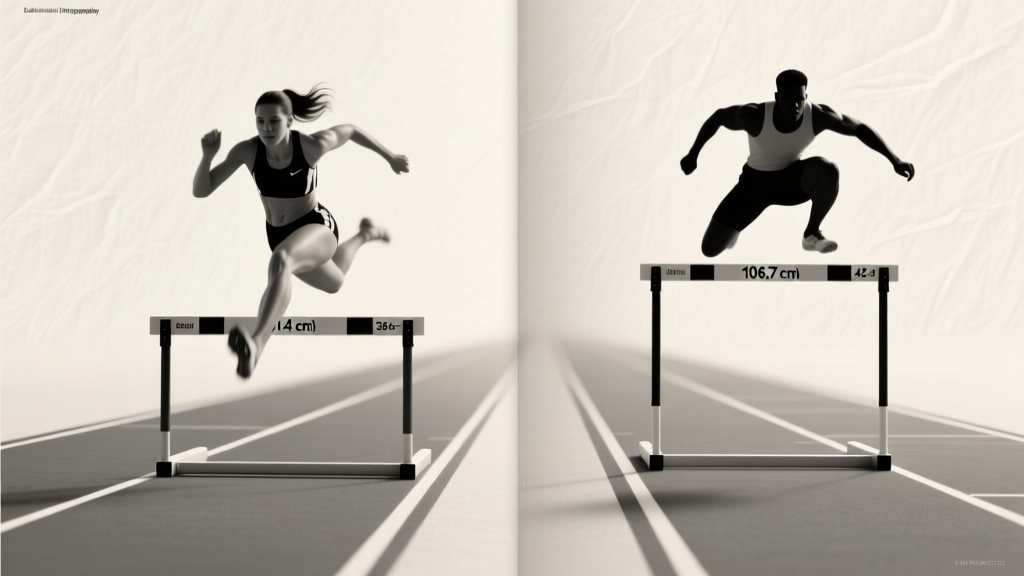 Olympic Hurdle Heights by Event & Gender
 Super Bowl Halftime Show Performers: Complete List from 2010 to 2026
 What Swimming Pools Are Open Near Me Today?
 Where Can I Swim with Sharks Safely in 2025?
 Long Jump World Record: Men's & Women's All-Time Best
 How Long Are Ice Hockey Games? Full Breakdown
 Most Dangerous Sports in the World: Death Rates and Injury Statistics
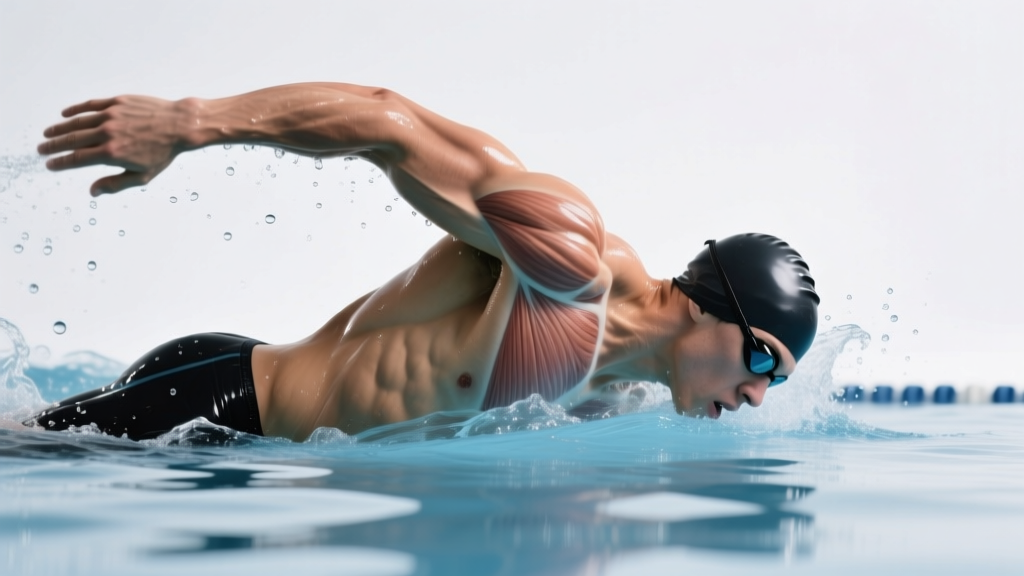 What Muscles Work When Swimming? Full Breakdown