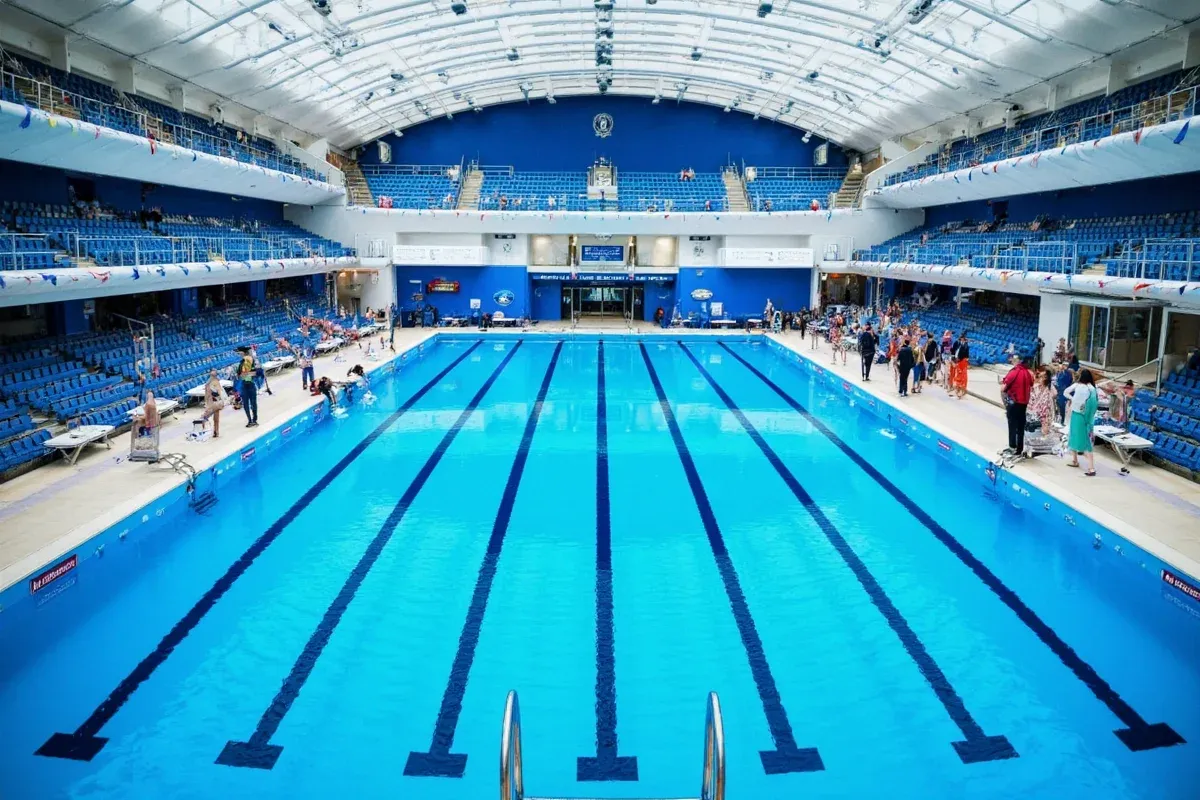
Olympic Diving Pool Depth: How Deep Is It?
The Olympic diving pool is 5 meters (16.4 feet) deep, meeting strict international standards to ensure diver safety and optimal performance during competition.
Why Is Pool Depth Important in Olympic Diving?
Pool depth is critical for athlete safety and competitive fairness. A sufficiently deep pool prevents divers from hitting the bottom during high-dive entries, especially from the 10-meter platform. The depth also affects water turbulence and splash control, influencing dive execution and scoring.
Key Safety and Performance Factors
- Reduces risk of injury during high-speed water entry
- Minimizes upward water currents that disrupt dives
- Ensures consistent judging conditions across competitions
- Supports proper technique development at elite levels
Official FINA Standards for Diving Pools
The Fédération Internationale de Natation (FINA), now known as World Aquatics, sets global standards for all competitive aquatic events, including diving. These regulations govern not only depth but also dimensions, water quality, and surrounding platform specifications.
| Parameter | Requirement | Unit | Competition Level |
|---|---|---|---|
| Minimum Depth | 5.0 | meters | Olympic & World Championships |
| Water Temperature | 26–28 | °C | All Elite Events |
| Pool Length | 25 | meters | Diving Only |
| Pool Width | 25 | meters | Diving Only |
| Platform Height (Men/Women) | 10 | meters | Synchronized & Individual |
| Springboard Height | 3 | meters | All Levels |
The data confirms a standardized minimum depth of 5 meters for elite diving events. This depth ensures adequate submersion space for divers entering the water at speeds exceeding 30 mph from the 10-meter platform. Consistency across venues allows athletes to train and compete under uniform conditions.
Design Features of Olympic Diving Pools
Beyond depth, Olympic diving pools incorporate advanced engineering to support peak performance.
Hydrodynamic Water Management
Modern pools use laminar flow systems and gutter designs that reduce surface waves. This minimizes visual distortion and improves entry clarity for judges and video replay systems.
Bottom Surface and Markings
The pool floor is typically matte black to enhance diver orientation mid-air. It includes precise markings for alignment and may feature depth indicators visible to officials.
Adjacent Facilities
- Elevated platforms with non-slip surfaces
- Dive towers accommodating multiple heights
- Adjustable springboards with tension controls
- Underwater viewing windows for coaching and broadcast
Common Questions About Olympic Diving Pools
How deep is an Olympic diving pool?
An Olympic diving pool is exactly 5 meters (16.4 feet) deep, as mandated by World Aquatics (formerly FINA) regulations for all international competitions.
Why is the diving pool deeper than a swimming pool?
Diving pools are deeper than standard swimming pools—typically 2 meters deep—to accommodate safe landings from heights up to 10 meters. The extra depth prevents injury and reduces turbulent water bounce-back during dives.
Do all diving pools have the same depth?
At the elite level, yes—all Olympic and world championship diving pools must be at least 5 meters deep. Recreational or training facilities may have shallower depths, but these do not meet international competition standards.
Can divers touch the bottom of the pool during a dive?
No, divers should never touch the bottom during a competition dive. The 5-meter depth provides sufficient clearance even for complex maneuvers with deep water penetration. Touching the bottom would indicate improper form or potentially dangerous conditions.
What happens if the pool is too shallow?
A pool that is too shallow increases the risk of serious injury, including spinal trauma or concussions, due to insufficient cushioning upon entry. Shallow pools also generate more disruptive water turbulence, affecting subsequent dives and judge visibility.
More Articles
 Olympic Size Swimming Pool Dimensions Explained
 How Much Is a Small Inground Swimming Pool?
 Which Florida Springs Can I Swim In? Top 6 Spots
 Did Athletes Swim in the Seine During 2024 Olympics?
 What Does a Rowing Machine Workout Do?
 Tennis Elbow Brace Guide: Pick the Right One
 Road Cycling Safety: 15 Essential Tips to Avoid Accidents (2026)
 Can Sprints Build Muscle? Science-Backed Answer
 Long Jump Drills: 8 Exercises to Add Distance (2026)
 Olympic Hurdle Heights by Event & Gender