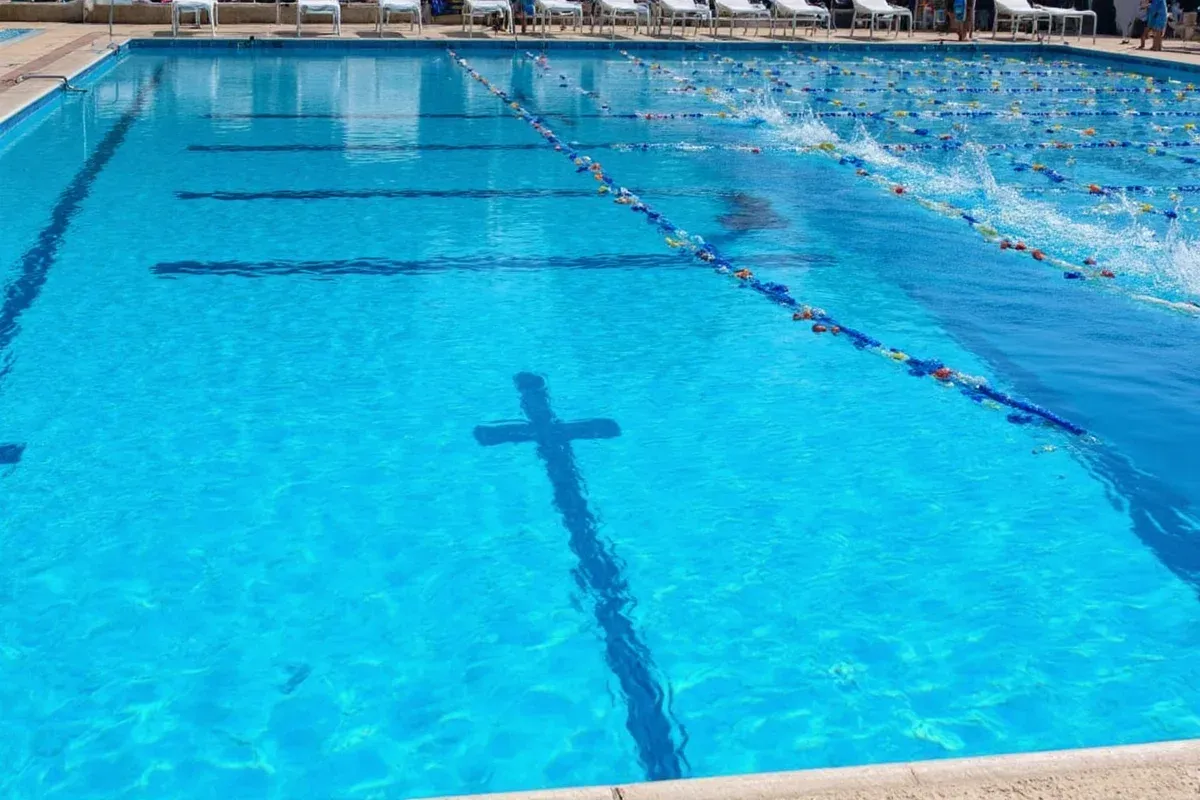
How Deep Is an Olympic Diving Pool? Official Depth Explained
Olympic diving pools must be at least 5 meters (16.4 feet) deep to ensure diver safety and meet international competition standards set by World Aquatics (formerly FINA). This depth prevents injuries during high-impact dives from 10-meter platforms and allows for proper water cushioning.
Why Depth Matters in Olympic Diving Pools
The depth of an Olympic diving pool is not arbitrary—it's a critical safety and performance requirement. Competitive diving involves athletes entering the water from heights up to 10 meters, generating significant downward force. Without sufficient depth, divers risk serious injury from striking the pool floor or experiencing excessive pressure changes.
Key Safety and Performance Factors
- Prevents bottom impact during high-speed entries
- Reduces water turbulence for cleaner dives
- Allows safe execution of complex aerial maneuvers
- Minimizes bubble formation that can affect entry perception
- Supports consistent judging conditions across competitions
Official Regulations and Standards
World Aquatics (formerly known as FINA) sets the global standards for all aquatic sports, including competitive diving. These regulations are adopted by the International Olympic Committee (IOC) for Olympic Games.
Minimum Depth Requirements by Event
| Diving Event | Platform Height (m) | Minimum Pool Depth (m) | Recommended Depth (m) | Water Temperature (°C) |
|---|---|---|---|---|
| 3m Springboard | 3 | 3.5 | 4.0 | 26–28 |
| 5m Platform (non-Olympic) | 5 | 4.5 | 5.0 | 26–28 |
| 10m Platform | 10 | 5.0 | 5.0+ | 26–28 |
| Synchronized Diving | 3 & 10 | 5.0 | 5.0+ | 26–28 |
The data shows that while the minimum required depth for 10m platform events is 5 meters, many elite facilities exceed this standard. Depths beyond 5 meters enhance safety margins and reduce wave reflection, improving overall dive quality and judging accuracy.
Engineering and Design Considerations
Designing an Olympic diving pool involves more than just depth. Engineers must account for hydrodynamics, structural integrity, and diver comfort.
Advanced Features of Modern Diving Pools
- Laminar Flow Systems: Minimize surface ripples to help divers orient mid-air.
- Wave Dissipation Baffles: Reduce splashback and underwater turbulence.
- Adjustable Floor Mechanisms: Some pools feature movable floors for multi-use functionality.
- High-Capacity Filtration: Maintains crystal-clear water for visibility and hygiene.
- Underwater Acoustic Monitoring: Used in training facilities to analyze entry angles.
Common Misconceptions About Diving Pool Depth
Many assume that deeper always means safer, but there are diminishing returns beyond 5.5 meters. Excessive depth increases construction costs and energy use for heating and filtration without significant performance gains. Additionally, some believe recreational pools mimic Olympic specs, but most public diving wells are only 3.5–4 meters deep—insufficient for elite training.
Frequently Asked Questions About Olympic Diving Pool Depth
How deep is an Olympic diving pool?
An Olympic diving pool must be at least 5 meters (16.4 feet) deep to meet World Aquatics regulations, especially for 10-meter platform events. This ensures diver safety during high-impact entries.
Why do Olympic diving pools need to be so deep?
The depth cushions the impact of divers entering the water from 10 meters above, preventing injury from hitting the bottom and reducing pressure shock on the body during rapid deceleration.
Can a diving pool be too deep?
While deeper pools enhance safety, depths beyond 5.5 meters offer minimal benefit and significantly increase construction and maintenance costs, making them impractical for most venues.
Do all lanes in a diving pool have the same depth?
Yes, all diving positions and lanes must maintain uniform depth of at least 5 meters under World Aquatics rules to ensure fair and safe competition conditions.
What happens if a diving pool is not deep enough?
Insufficient depth increases the risk of serious injury, including spinal trauma or concussions. Competitions will not be sanctioned if pools fail to meet minimum depth requirements.
Conclusion
The standard depth of an Olympic diving pool is 5 meters, a scientifically determined measurement balancing athlete safety, performance needs, and engineering feasibility. Facilities hosting international events strictly adhere to World Aquatics guidelines, ensuring consistent, safe, and world-class competition environments. As technology advances, innovations in pool design continue to refine these standards while maintaining the essential 5-meter benchmark.
More Articles
 Olympic Swimming Pool Temperature: Official Standards
 Bungee Jumping Safety: 1 in 500,000 Death Rate (2026)
 How High Does Ronaldo Jump? 78 cm Vertical Revealed
 What Muscles Do Cable Seated Rows Work?
 How Cold Are Ice Skating Rinks? Expert Breakdown
 How Long Is an Olympic-Sized Swimming Pool?
 How High Can LeBron Jump? Vertical Leap Revealed
 How Long Are Water Polo Matches? Full Breakdown
 How Fast Can a Human Swim? Top Speeds Revealed
 Team Performance Tips: Evidence-Based Strategies