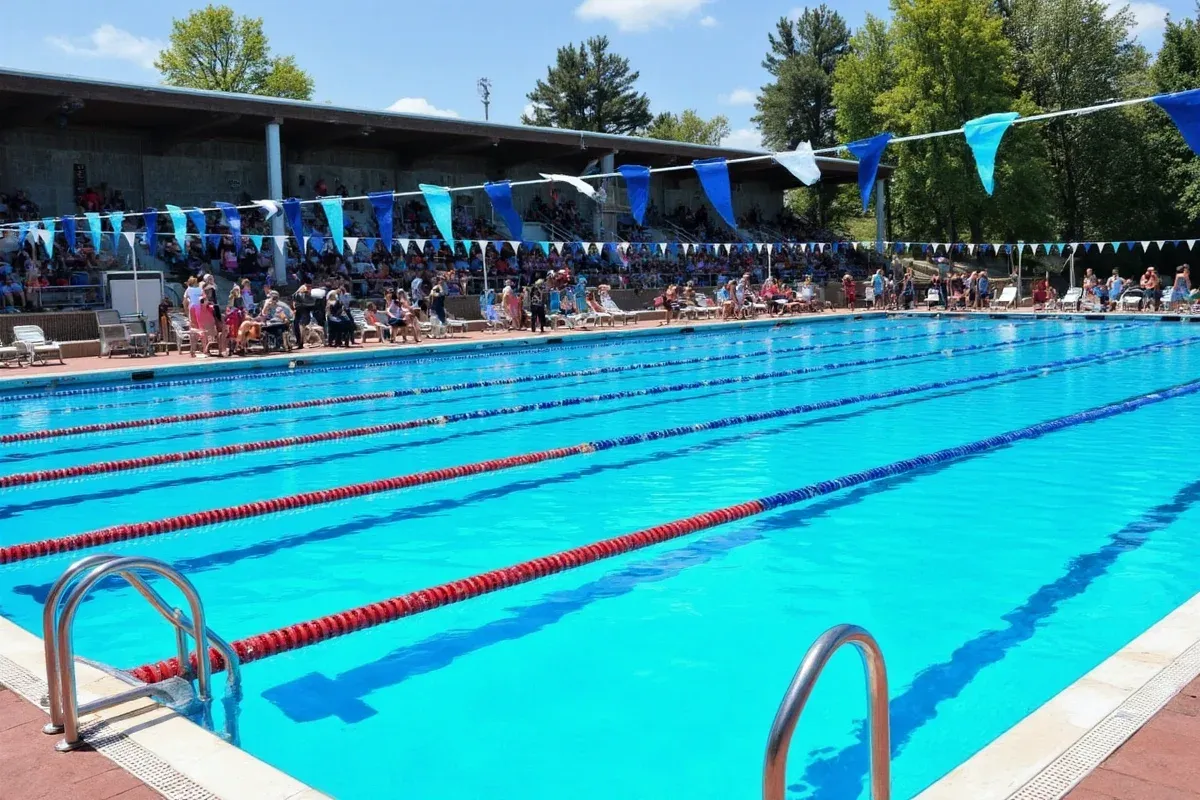
How Long Is an Olympic Size Swimming Pool?
An Olympic size swimming pool is exactly 50 meters (164 feet) in length, as defined by the International Swimming Federation (FINA). This standard applies to all official competitions, including the Olympic Games and World Championships.
Understanding Olympic Size Swimming Pool Dimensions
Olympic-sized pools are built to strict international standards to ensure fairness and consistency in competitive swimming. The most critical dimension is the length, but other measurements also play a vital role in certification.
Key Specifications for Olympic Pools
- Length: 50 meters (164 feet)
- Width: 25 meters (82 feet) \li>Depth: Minimum of 2 meters (6.6 feet), recommended 3 meters (9.8 feet)
- Lane count: 10 lanes
- Lane width: 2.5 meters (8.2 feet) each
- Water temperature: 25°C to 28°C (77°F to 82°F)
Differences Between Olympic, Short Course, and Recreational Pools
Not all competition pools are Olympic-sized. It's important to distinguish between long course (Olympic) and short course pools, which differ in length and usage.
| Poll Type | Length | Width | Lanes | Governing Body |
|---|---|---|---|---|
| Olympic (Long Course) | 50 meters | 25 meters | 10 | FINA |
| Short Course | 25 meters | 25 meters | 8–10 | FINA / NCAA |
| U.S. High School/College | 25 yards (~22.86 meters) | Varies | 6–8 | NCAA, NFHS |
| Recreational Public Pool | Varies (often 25m or 25yd) | Varies | 4–6 | Local Authorities |
The data shows that only long course pools used in the Olympics maintain the full 50-meter length. Short course pools, commonly used in winter competitions, are half as long. U.S. collegiate pools often use yards instead of meters, leading to slightly different race times and records.
Why the 50-Meter Standard Matters
The 50-meter length ensures standardized competition conditions across global events. This uniformity allows for accurate record comparisons and athlete performance evaluation. Longer pools reduce the number of turns swimmers make, which can impact speed and strategy.
Impact on Swimmer Performance
- Fewer turns in 50m pools mean less reliance on underwater dolphin kicks
- Deeper water reduces wave resistance, improving times
- Consistent lane width minimizes turbulence from adjacent swimmers
- Temperature control supports optimal muscle function
Common Questions About Olympic Size Swimming Pools
How long is an Olympic size swimming pool in feet?
An Olympic size swimming pool is 164 feet long, which is equivalent to 50 meters. This measurement is standardized by FINA for all international competitions.
Is every Olympic pool exactly the same size?
Yes, all Olympic pools must meet FINA’s exact specifications: 50 meters long, 25 meters wide, with a minimum depth of 2 meters. Any deviation disqualifies the pool from hosting official events.
How many lanes are in an Olympic swimming pool?
Olympic pools have 10 lanes, each 2.5 meters wide. The two outermost lanes are typically left empty to reduce wave interference, leaving 8 lanes for competition.
What is the depth of an Olympic size swimming pool?
The minimum depth is 2 meters (6.6 feet), but most modern Olympic pools are 3 meters (9.8 feet) deep. Greater depth reduces surface turbulence and improves swimmer performance.
Are all public pools Olympic size?
No, most public pools are shorter (25 meters or 25 yards) and narrower. Olympic-sized pools require significant space and funding, so they are usually found in elite training centers or major competition venues.
More Articles
 How High Can a Kangaroo Jump? Up to 10 Feet!
 Where Can I Swim with Sharks Safely in 2025?
 Badminton Venue Guide: Court Dimensions, Net Height & Facility Requirements (2026)
 How Much Do Go Karts Cost in 2025?
 Who Owns Formula 1? Liberty Media Ownership Explained
 Where to Watch MotoGP in USA | 2025 Streaming Guide
 How Much Does a MotoGP Motorcycle Cost in 2025?
 Safe Chlorine Level to Swim In: Max ppm Guidelines
 History of the Olympic Games: From Ancient Greece to Modern Era
 Best Baseball Players of All Time: Top 10 (2026)