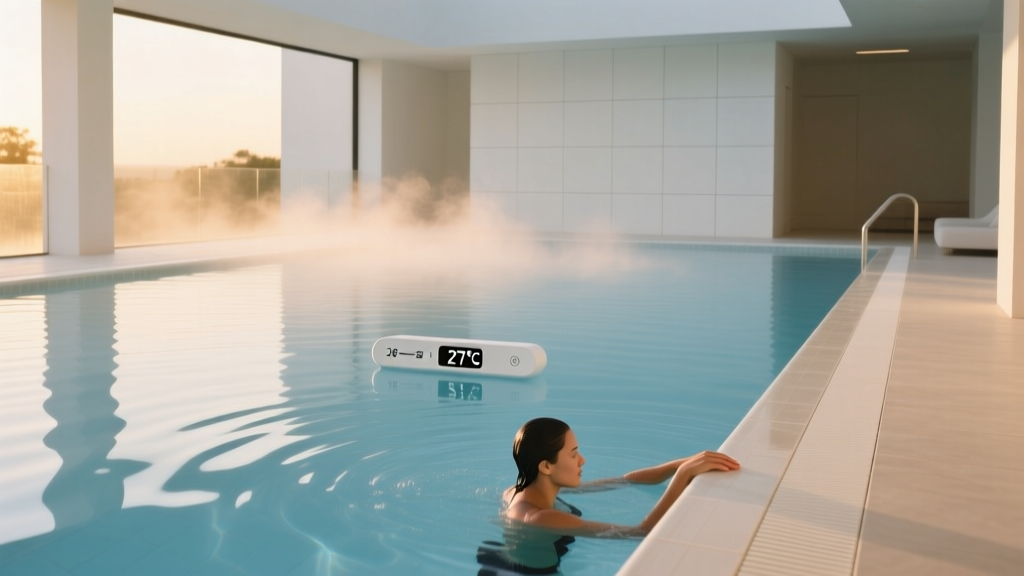
Ideal Swimming Water Temperature: What’s Comfortable?
Comfortable water temperature for swimming typically ranges between 78°F and 82°F (26°C to 28°C) for recreational swimmers, while competitive athletes may prefer slightly cooler temperatures around 77°F (25°C). This range balances safety, comfort, and performance, minimizing risks of hypothermia or overheating.
What Is Considered a Comfortable Swimming Temperature?
The ideal water temperature for swimming depends on the swimmer's age, activity level, and purpose—whether it's recreation, therapy, or competition. However, most health and aquatic organizations agree on general guidelines to ensure safety and enjoyment.
Recommended Temperature Ranges by Activity
- Recreational swimming: 78°F to 82°F (26°C to 28°C)
- Competitive swimming: 77°F to 80°F (25°C to 27°C)
- Therapeutic or rehabilitation swimming: 83°F to 86°F (28°C to 30°C)
- Infant and toddler swimming: 84°F to 88°F (29°C to 31°C)
- Open water / triathlon events: 60°F to 78°F (16°C to 26°C), with wetsuit rules based on exact temp
Water that is too cold can lead to muscle stiffness and increased risk of cramps, while overly warm water may cause overheating, fatigue, and bacterial growth in pools.
Factors That Influence Perceived Water Temperature
Individual comfort varies due to several physiological and environmental factors. Understanding these helps swimmers prepare appropriately.
Key Influencing Factors
- Age: Children and older adults lose heat faster and often require warmer water.
- Body composition: Higher body fat provides better insulation in cooler water.
- Acclimatization: Regular swimmers adapt better to lower temperatures.
- Air temperature and wind: Cold air after exiting the water increases chill effect.
- Swimming intensity: Vigorous activity generates body heat, making cooler water feel comfortable.
- Duration of exposure: Longer sessions require closer-to-optimal temperatures to prevent hypothermia.
Health and Safety Guidelines by Organization
Different governing bodies provide specific recommendations based on research and athlete safety. The following table summarizes key standards from reputable sources.
| Organization | Purpose | Recommended Temp (°F) | Recommended Temp (°C) | Notes |
|---|---|---|---|---|
| USA Swimming | Competition | 77–80 | 25–27 | Standard for national events |
| World Aquatics (FINA) | International Competition | 77–82 | 25–28 | Range adjusted for event type |
| CDC | Pool Safety & Hygiene | 78–86 | 26–30 | Higher temps increase germ spread |
| Aquatic Therapy Association | Rehabilitation | 83–86 | 28–30 | Reduces joint stress |
| British Swimming | Youth Training | 79–82 | 26–28 | Warmer than elite standards |
| US Masters Swimming | Adult Fitness | 78–82 | 26–28 | Balances comfort and performance |
The data shows consensus around 78–82°F (26–28°C) for most adult swimming activities. Competitive organizations favor cooler water to support high-intensity performance, while therapeutic and youth programs prioritize warmth for comfort and safety. The CDC's upper limit of 86°F highlights the trade-off between comfort and microbial control in pool environments.
Effects of Incorrect Water Temperature
Swimming in water outside the recommended range can negatively affect both physical performance and health.
Risks of Cold Water (<75°F / 24°C))
- Muscle stiffness and reduced coordination
- Increased heart rate and blood pressure
- Hypothermia during prolonged exposure
- Gasping reflex leading to drowning risk
Risks of Warm Water (>86°F / 30°C)
- Overheating and dehydration
- Fatigue and dizziness
- Rapid bacterial and algae growth in pools
- Discomfort and reduced endurance
Frequently Asked Questions About Swimming Water Temperature
What is the best pool temperature for adults?
The best pool temperature for most adults swimming recreationally is between 78°F and 82°F (26–28°C). This range supports comfort, cardiovascular efficiency, and muscle function without increasing germ growth risks associated with warmer water.
Is 75 degrees too cold to swim in a pool?
At 75°F (24°C), water begins to feel cool for most swimmers. While experienced or athletic individuals can tolerate it for short durations, prolonged swimming at this temperature may lead to discomfort or mild hypothermia. It is generally considered too cold for children, older adults, or therapeutic use.
Can you swim in 70 degree water safely?
Swimming in 70°F (21°C) water is possible for fit individuals but not recommended for extended periods. The water feels cold, increases heart workload, and raises the risk of hypothermia after 1–2 hours. Wetsuits are advised for open water swimming at this temperature.
What temperature do Olympic pools maintain?
Olympic swimming pools are maintained between 77°F and 82°F (25–28°C), as regulated by World Aquatics (FINA). Most elite competitions aim for 78–79°F (26–26.5°C) to optimize performance and minimize drag.
Why is baby pool water kept warmer?
Baby pool water is kept warmer—between 84°F and 88°F (29–31°C)—because infants have a higher surface-area-to-body-mass ratio, causing them to lose heat quickly. Warmer water prevents hypothermia and allows babies to move comfortably during lessons.
More Articles
 How Old to Bungee Jump: Age Requirements Explained
 Who Started Parkour? David Belle's Origin Story
 When Does Katie Ledecky Swim Next? 2025 Schedule & Events
 Basketball Drills: Science-Backed Basics
 Who Invented Water Polo? The True Origin Story
 How Long to Swim English Channel: Times & Facts
 Best Badminton Rackets for Beginners 2026: Top 5 Picks Under $100
 How Many Swimming Events in 2024 Olympics?
 How High Does LeBron Jump? Vertical Leap Revealed
 What Events Did Michael Phelps Swim? Full List