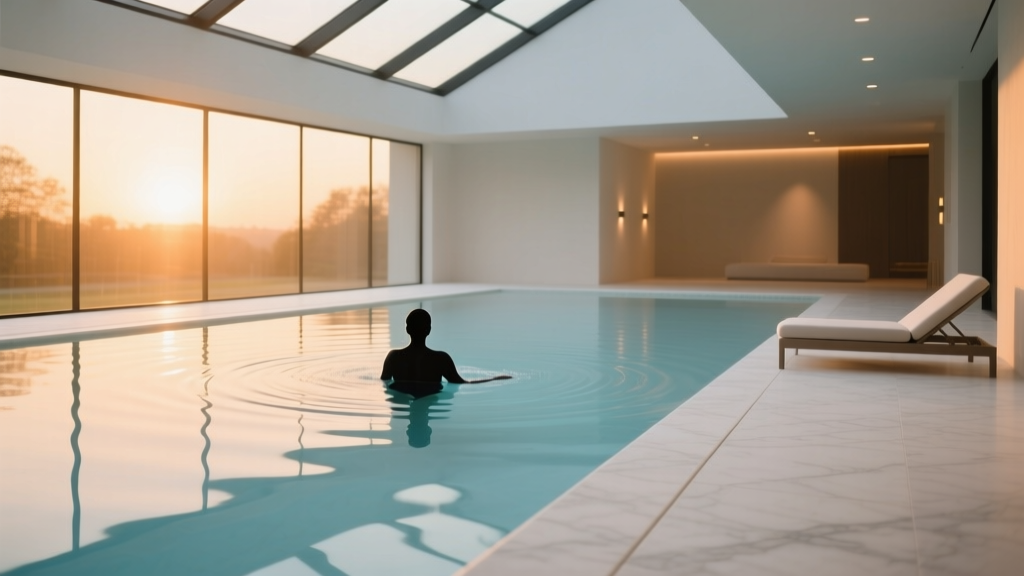
Comfortable Pool Temperature for Swimming
For most recreational swimmers, a comfortable pool temperature ranges between 78°F and 82°F (26°C to 28°C), balancing enjoyment, safety, and physical performance.
What Is Considered a Comfortable Pool Temperature?
A comfortable swimming pool temperature depends on the swimmer's age, activity level, and purpose of swimming. However, general guidelines exist to ensure safety, comfort, and optimal physical response in the water.
Recommended Temperatures by Swimmer Type
- Recreational adult swimmers: 78°F to 82°F (26°C to 28°C)
- Children and older adults: Slightly warmer, 82°F to 86°F (28°C to 30°C)
- Competitive swimmers: Cooler, 77°F to 80°F (25°C to 27°C) to prevent overheating during intense workouts
- Therapy or rehabilitation: 86°F to 90°F (30°C to 32°C) for muscle relaxation and joint mobility
- Infant swimming classes: 88°F to 92°F (31°C to 33°C) due to poor body heat regulation
Why Pool Temperature Matters
Water conducts heat away from the body 25 times faster than air, making temperature control essential for both comfort and health. Incorrect pool temperatures can lead to cramping, fatigue, hypothermia, or overheating.
Effects of Cold Water (<78°F)
- Increase in heart rate and blood pressure
- Muscle stiffness and reduced flexibility
- Higher risk of cramping and injury
- Discomfort leading to shorter swim sessions
Effects of Warm Water (>84°F)
- Overheating during exercise, especially in children and seniors
- Increased bacterial growth and chlorine depletion
- Feeling sluggish or fatigued more quickly
- Poor performance in competitive or endurance training
Optimal Pool Temperatures for Different Activities
Different swimming activities require tailored temperature settings to maximize benefits and safety. Below is a detailed breakdown of ideal ranges based on use case.
| Swimming Activity | Recommended Temp (°F) | Recommended Temp (°C) | Key Reasons |
|---|---|---|---|
| Recreational Swimming (Adults) | 78–82 | 26–28 | Balances comfort and energy expenditure |
| Lap Swimming / Training | 77–80 | 25–27 | Prevents overheating during sustained effort |
| Aquatic Therapy | 86–90 | 30–32 | Relaxes muscles and eases joint stress |
| Swim Lessons (Children) | 82–86 | 28–30 | Keeps young bodies warm; supports focus |
| Infant Swim Classes | 88–92 | 31–33 | Infants lose heat rapidly; need warmth |
| Water Aerobics | 83–86 | 28–30 | Warm enough for comfort, cool enough for exertion |
The data shows that therapeutic and pediatric swimming requires significantly warmer water than competitive training. Maintaining precise temperatures ensures physiological safety and enhances performance across different user groups. Deviating from these standards may reduce effectiveness or increase health risks.
How to Measure and Maintain Pool Temperature
Accurate temperature monitoring is key. Use a digital pool thermometer placed away from direct sunlight or return jets for best readings. Most residential pools use gas heaters or heat pumps, while commercial facilities often have automated climate control systems.
Tips for Temperature Management
- Check water temperature daily, especially before early morning or evening swims
- Use pool covers to retain heat and reduce energy costs
- Adjust temperature seasonally: slightly cooler in summer, warmer in winter
- Ensure proper circulation to avoid hot or cold spots
- Follow local health codes, which often specify minimum and maximum allowable temperatures
Frequently Asked Questions About Comfortable Pool Temperatures
Is 75 degrees too cold for swimming?
Yes, 75°F (24°C) is generally considered too cold for comfortable swimming, especially beyond short durations. It may cause shivering, increased heart rate, and muscle tension. Competitive swimmers may tolerate it briefly, but recreational swimmers, children, and older adults will likely find it uncomfortable.
Is 85 degrees too hot for a pool?
85°F (29°C) is on the warmer side for general swimming but acceptable for water aerobics, therapy, or children's programs. For lap swimming or vigorous activity, it may feel overly warm and lead to fatigue. Prolonged exposure above 84°F can also promote bacterial growth and reduce chlorine efficiency.
What is the ideal pool temperature for seniors?
The ideal pool temperature for seniors is between 82°F and 86°F (28°C to 30°C). Warmer water helps ease joint pain, improves circulation, and reduces the risk of muscle strain, making it ideal for low-impact exercise and arthritis therapy.
Can pool temperature affect swimming performance?
Yes, pool temperature significantly affects performance. Water that is too cold increases drag and muscle stiffness, reducing stroke efficiency. Water that is too warm causes quicker fatigue and impairs thermoregulation. Elite swimmers perform best in water between 77°F and 80°F (25°C to 27°C).
Do indoor and outdoor pools have different ideal temperatures?
Indoor pools are typically maintained at similar temperatures to outdoor pools based on usage, but environmental factors differ. Outdoor pools may fluctuate with weather, requiring more active heating or cooling. Indoor pools benefit from controlled air temperature and humidity, allowing for slightly cooler water settings without discomfort.
More Articles
 How Heavy Is a Shot Put Ball? Official Weights Explained
 Badminton Court Dimensions: Complete Guide to Measurements and Setup
 How to Clean Golf Clubs Like a Pro
 Why Do Water Polo Players Wear Caps?
 What Does a Bent Over Row Work? Back Muscles Explained
 Long Jump Spikes Guide: How to Choose the Right Shoes for Maximum Distance
 What Muscles Do Rowing Machines Work? Full Breakdown
 Will Swimming Make You Taller? Science-Based Answer
 How Fast Do Race Walkers Walk? Elite Speeds Revealed
 What Does Icing Mean in Hockey? Explained