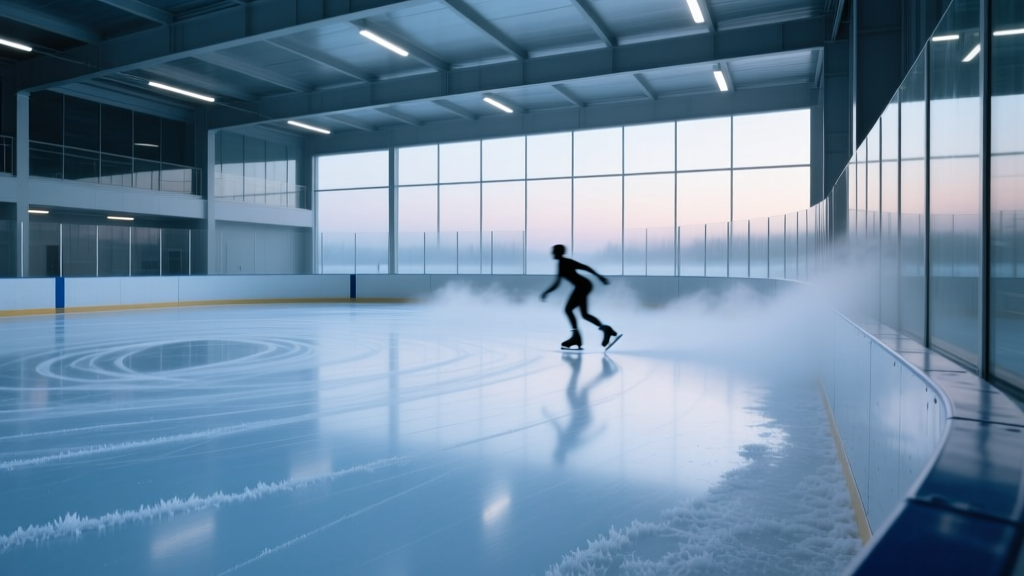
How Cold Are Ice Skating Rinks? Expert Breakdown
Ice skating rinks are typically maintained at temperatures between 22°F and 26°F (-6°C to -3°C) for optimal ice quality, with air temperatures slightly warmer, around 50°F to 60°F (10°C to 15°C), to ensure skater comfort and prevent excessive condensation.
Why Temperature Control Matters in Ice Skating Rinks
Precise temperature regulation is essential for maintaining safe, high-performance ice surfaces. The hardness and smoothness of the ice directly affect skating speed, edge control, and injury risk. Too warm, and the ice becomes soft and slushy; too cold, and it turns brittle and powdery.
Key Factors Influencing Ice Quality
- Ice surface temperature: Directly impacts glide and skate blade interaction.
- Ambient air temperature: Affects humidity levels and skater comfort.
- Relative humidity: High humidity causes fog and snow buildup on ice.
- Refrigeration system efficiency: Ensures consistent cooling beneath the concrete slab.
- Rink usage intensity: Hockey games require harder ice than public skating sessions.
Standard Operating Temperatures by Rink Type
Different skating disciplines demand specific ice conditions. These variations influence both the ice and air temperature settings across facilities.
| Rink Type | Ice Surface Temp (°F) | Ice Surface Temp (°C) | Air Temp (°F) | Air Temp (°C) | Relative Humidity (%) |
|---|---|---|---|---|---|
| Professional Hockey | 22–24 | -6 to -5 | 55–60 | 13–15 | 40–50 |
| Olympic Figure Skating | 25–26 | -4 to -3 | 50–55 | 10–13 | 45–55 |
| Recreational/Public Skating | 24–26 | -4 to -3 | 50–60 | 10–15 | 40–60 |
| Curling | 23–24 | -5 to -6 | 32–35 | 0 to 2 | 30–40 |
| Speed Skating (Long Track) | 22–23 | -6 | 57–61 | 14–16 | 40–50 |
The data shows that elite sports like hockey and speed skating favor colder, harder ice for faster performance, while figure skating requires slightly warmer, softer ice to support jumps and landings. Curling demands very low humidity and near-freezing air temperatures to preserve pebbled ice texture. Air temperature is consistently warmer than ice temperature to prevent thermal shock and maintain indoor climate balance.
How Ice Temperature Affects Skating Performance
Skaters experience noticeable differences based on ice conditions. Cold, hard ice reduces friction, allowing faster glides—ideal for hockey players and speed skaters. However, overly cold ice can chip easily and reduce blade grip during sharp turns.
Impact on Different Disciplines
- Hockey: Faster ice improves puck speed and player acceleration.
- Figure Skating: Slightly warmer ice allows deeper edge penetration for better control during spins and jumps.
- Recreational Skating: Moderate temperatures accommodate beginners who may struggle on slippery, fast ice.
Maintaining Optimal Conditions: Behind the Scenes
Modern rinks use a brine solution (typically calcium chloride or glycol) circulated through pipes under the concrete slab. Sensors monitor ice temperature in real time, adjusting refrigeration output as needed. Insulation beneath the slab prevents ground heat transfer, while dehumidifiers manage air moisture.
Common Challenges in Climate Control
- Frequent door openings introducing warm, moist air.
- Large crowds increasing ambient temperature and humidity.
- Resurfacing machines adding warm water that must refreeze quickly.
- Power fluctuations affecting chiller performance.
Frequently Asked Questions About Ice Skating Rink Temperatures
How cold are Olympic ice skating rinks?
Olympic figure skating rinks are kept at approximately 25–26°F (-4 to -3°C) for ideal jump cushioning and edge control, with air temperatures around 50–55°F (10–13°C). Speed skating rinks are slightly colder, around 22–23°F (-6°C), to maximize glide efficiency.
Do all ice rinks have the same temperature?
No, rinks vary by sport and use. Hockey rinks are colder (22–24°F) for harder ice, while figure skating and recreational rinks run slightly warmer (24–26°F) for better edge grip and safety. Curling and speed skating have specialized requirements too.
Why is the air warmer than the ice in skating rinks?
The air is kept warmer (50–60°F) to prevent frost and condensation, improve spectator comfort, and avoid thermal stress on the ice surface. A large temperature gap helps stabilize the environment and reduce fogging.
Can ice be too cold for skating?
Yes. Ice below 20°F (-7°C) becomes extremely hard and brittle, making it slippery and difficult to control edges. It also increases the risk of chipping and skater injury. Extremely cold ice reduces rebound, negatively affecting jumps in figure skating.
How often is the ice resurfaced to maintain temperature and quality?
Ice is typically resurfaced every 10–15 minutes during active use using a Zamboni machine. Warm water (around 140°F) is applied to fill grooves and then rapidly freezes due to the cold base layer, maintaining a smooth, consistent surface temperature.
More Articles
 How Many Calories Do You Burn Swimming a Mile?
 How Fast Does Michael Phelps Swim? Speed Breakdown
 How High Can LeBron Jump? Vertical Leap Revealed
 Swimming Goggles: Best Online & In-Store (2026)
 Where to Buy a Jet Ski: Top Trusted Sources 2025
 Volleyball Gear: Performance and Durability
 Best Sports for Beginners: 10 Easy and Fun Games to Start Today
 Who Owns World Equestrian Center? McCain Family Revealed
 Gymnastics Scoring System 2026: Full Breakdown
 Launch Framework: Zero to First Project Guide