How Fast Do Humans Swim? Speeds by Level & Stroke
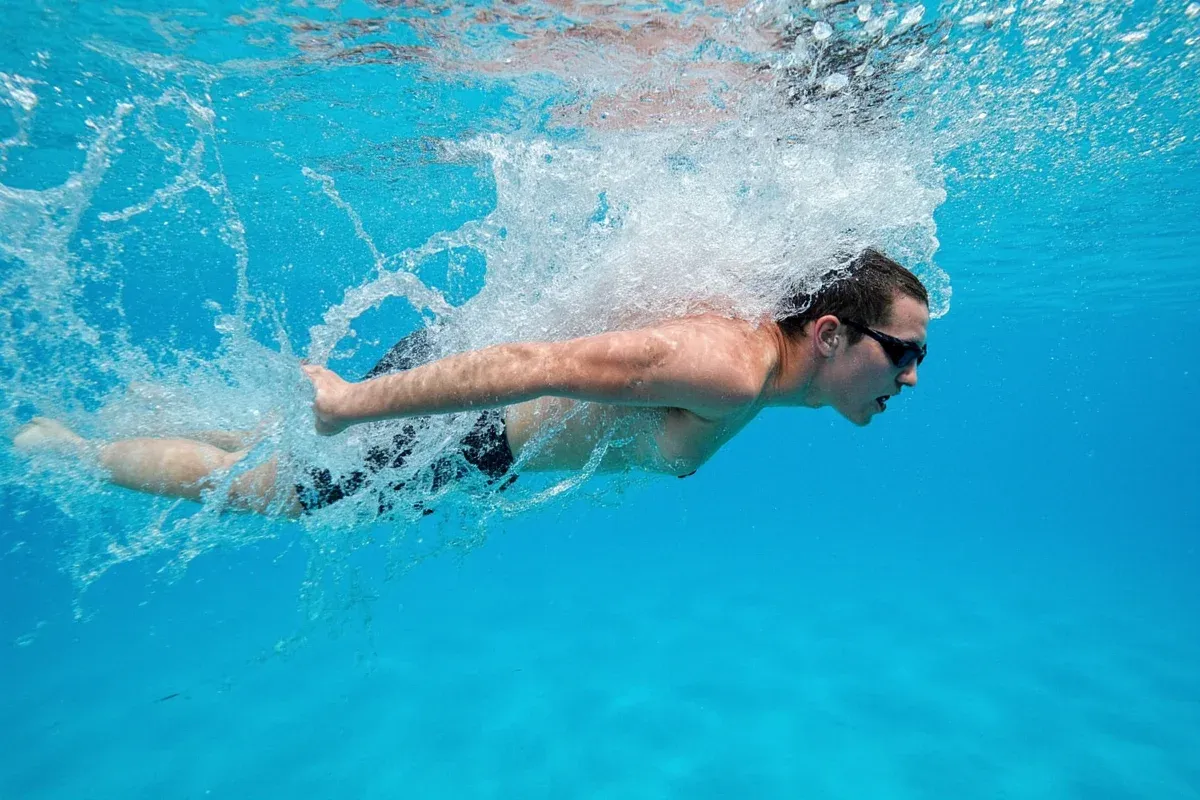
Humans swim at varying speeds depending on skill level, stroke type, and physical condition. Recreational swimmers typically average 1.5 to 2 miles per hour (2.4 to 3.2 km\/h), while elite competitive swimmers can reach peak speeds of over 5 mph (8 km\/h) during sprints. The fastest recorded human swimming speed is approximately 6 mph (9.6 km\/h), achieved by Michael Phelps during a 100-meter butterfly event.
Understanding Human Swimming Speeds
Swimming speed in humans varies significantly based on training, technique, age, and stroke choice. Unlike land animals built for speed, humans are not naturally adapted for fast swimming, but through training and hydrodynamic efficiency, top athletes achieve remarkable velocities in water.
Factors Influencing Swimming Speed
- Stroke Efficiency: Proper technique reduces drag and increases propulsion.
- Body Composition: Lower body fat and higher muscle mass improve buoyancy and power. \li>
- Lung Capacity: Greater oxygen uptake supports sustained effort.
- Water Conditions: Temperature, turbulence, and pool design affect performance.
- Training Level: Elite swimmers train up to 10 hours daily, building endurance and speed. <\/ul>
Swimming Speed by Skill Level
Different swimmer categories exhibit distinct speed ranges. Understanding these benchmarks helps set realistic goals for training and performance evaluation.