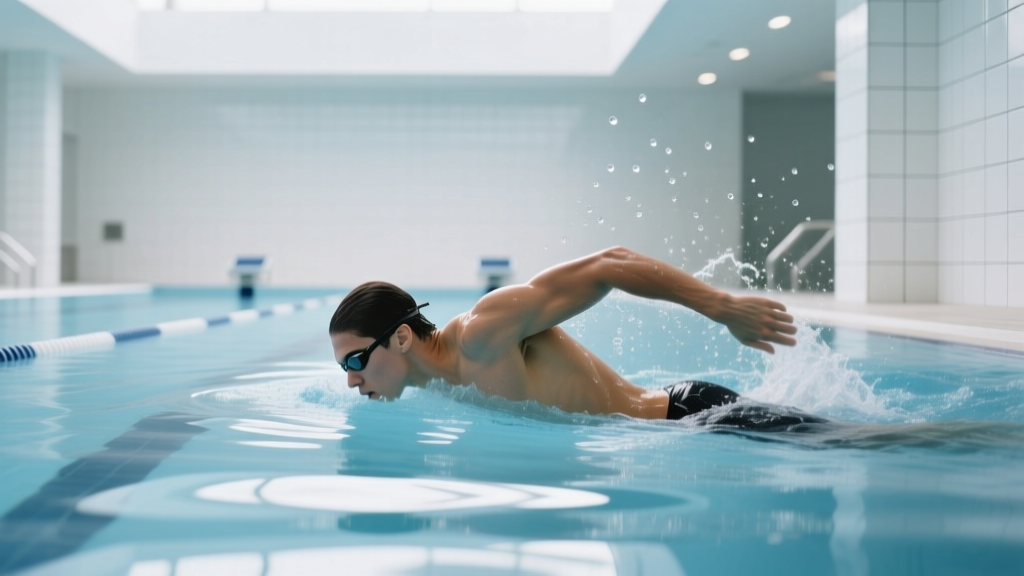
How Many Calories Does Swimming a Mile Burn?
Swimming one mile typically burns between 400 and 700 calories for most adults, depending on stroke type, intensity, body weight, and swimming efficiency.
How Many Calories Does Swimming a Mile Burn? The Key Factors
The number of calories burned while swimming a mile varies significantly based on several factors. While the average range is 400–700 calories, understanding what influences this can help you maximize your workout.
Primary Factors Affecting Calorie Burn
- Body Weight: Heavier individuals burn more calories due to increased energy demand.
- Swimming Stroke: Different strokes engage muscles differently and require varying effort levels.
- Intensity and Pace: Faster swimming or interval training increases calorie expenditure.
- Swimmer Efficiency: Experienced swimmers may burn fewer calories due to better technique and reduced drag.
- Water Temperature: Cooler water can slightly increase calorie burn as the body works to maintain core temperature.
Calories Burned Per Mile by Stroke and Weight
Different swimming strokes require different energy outputs. Here's a breakdown of estimated calories burned per mile based on stroke and body weight.
| Body Weight (lbs) | Freestyle (Moderate) | Butterfly (Vigorous) | Backstroke (Moderate) | Breaststroke (Moderate) |
|---|---|---|---|---|
| 130 | 420 | 630 | 390 | 450 |
| 155 | 500 | 750 | 460 | 530 |
| 180 | 580 | 870 | 540 | 620 |
| 205 | 660 | 990 | 610 | 700 |
| 230 | 740 | 1110 | 680 | 780 |
The data shows that butterfly consistently burns the most calories per mile—up to 50% more than freestyle—due to its high-intensity nature. Breaststroke, while slower, still burns significant calories because of resistance and constant muscle engagement. Heavier swimmers burn more across all strokes, emphasizing the role of body mass in energy expenditure.
Comparing Swimming to Other Cardio Exercises
Swimming is one of the most efficient full-body workouts. Compared to running or cycling, it offers similar calorie burn with lower joint impact.
Estimated Calories Burned in 1 Mile (155-lb Person)
- Running (10 min/mile): ~100 calories
- Cycling (15 mph): ~60 calories
- Swimming Freestyle (20 min): ~500 calories
- Swimming Butterfly (15 min): ~750 calories
Note: Swimming a mile takes longer than running or cycling the same distance, which contributes to higher total calorie burn despite similar MET values.
Maximizing Calorie Burn While Swimming
To get the most out of your swim and increase calorie expenditure, consider these evidence-based strategies:
Effective Techniques
- Use Interval Training: Alternate between high-intensity sprints and recovery laps to boost afterburn effect (EPOC).
- Vary Strokes: Rotate through butterfly, freestyle, and breaststroke to engage different muscle groups and prevent adaptation.
- Incorporate Equipment: Use paddles, fins, or a pull buoy to increase resistance and workload.
- Focus on Technique: Proper form reduces drag and allows for faster, more efficient swimming—which can be sustained at higher intensities.
- Extend Duration: Swim longer distances or add extra sets to increase total energy output.
Frequently Asked Questions About Calorie Burn in Swimming
How many calories does swimming a mile burn for a 180-pound person?
A 180-pound person burns approximately 580 calories swimming a mile using freestyle at moderate intensity. This can rise to 870 calories with butterfly stroke due to its higher energy demands.
Does swimming burn more calories than running a mile?
Yes, swimming typically burns more calories than running a mile. While running burns about 100 calories per mile for a 155-pound person, swimming burns around 500–750 calories over the same distance due to greater resistance and full-body engagement.
Which swimming stroke burns the most calories per mile?
The butterfly stroke burns the most calories per mile, often exceeding 750 calories for a 155-pound swimmer. Its explosive movements and high oxygen demand make it the most intense and calorically costly stroke.
Can slow swimming still burn a lot of calories?
Yes, even slow swimming burns a substantial number of calories—especially breaststroke—because water provides constant resistance. A slow mile may take longer, increasing total time and overall calorie expenditure, though intensity plays a key role in metabolic rate.
How accurate are swim watches in measuring calories burned?
Most swim watches estimate calorie burn using heart rate and stroke recognition but can be off by 10–20%. They often underestimate due to water interference with optical sensors. For best accuracy, combine device data with known MET values and personal effort levels.
More Articles
 Don Hume Rower: 1936 Olympic Coxswain & Legacy
 Olympic Sports List: All Summer and Winter Events Explained
 What to Wear at a Rock Climbing Gym
 What Muscles Work When Swimming? Full Breakdown
 Can Flamingos Swim? Facts & Behavior Explained
 Bowls vs Team: Understanding the Critical Distinction in Modern Software Delivery
 How High Can a Cheetah Jump? Facts & Data
 Where to Go Go-Karting Near Me: Best Tracks & Tips
 How Much Is It to Rent a Jet Ski? (2025 Rates)
 League FAQ Answered: Clear, Verified Answers to 32 Common Questions About League of Legends