What Do MotoGP Riders Wear on Their Hands?
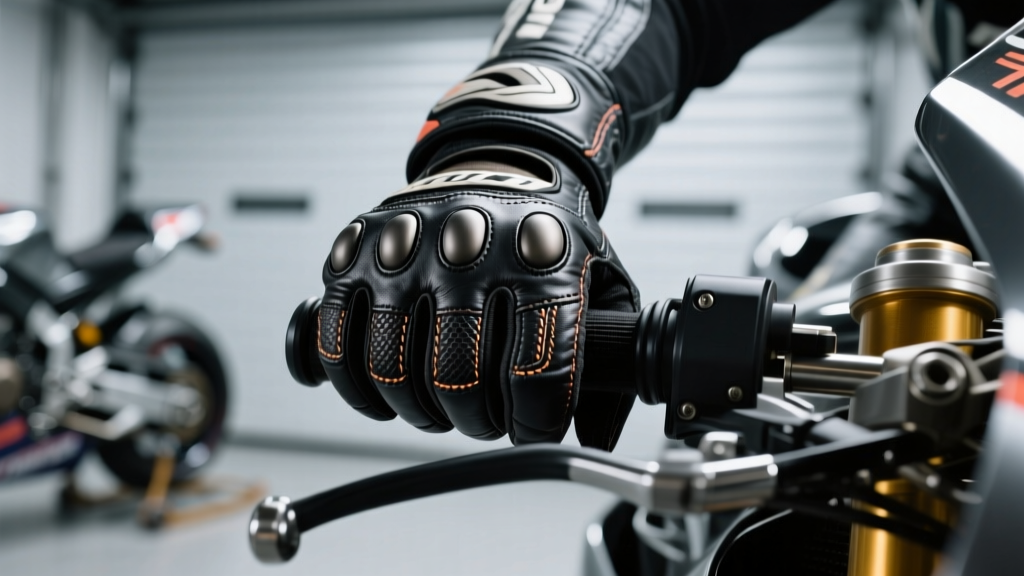
Motocross and MotoGP riders wear specialized gloves designed for maximum protection, grip, and control. These gloves feature reinforced leather or synthetic materials, carbon fiber knuckle guards, silicone grip pads, touchscreen-compatible fingertips, and integrated wrist closures to prevent debris entry and reduce injury risk during high-speed crashes.
Why MotoGP Riders Wear Specialized Gloves
MotoGP is one of the most dangerous motorsports in the world, with riders regularly exceeding speeds of 350 km/h. At these velocities, even minor falls can result in severe hand injuries. As a result, gloves are not just accessories but critical safety gear. They protect against abrasions, fractures, burns, and impact trauma while ensuring precise throttle and brake control.
Core Functions of MotoGP Gloves
- Impact absorption during crashes
- Heat resistance from engine and exhaust exposure
- Enhanced grip on handlebars
- Prevention of blisters and fatigue
- Integration with full leathers via gauntlet design
Key Features of MotoGP Riding Gloves
Modern MotoGP gloves combine advanced materials and ergonomic engineering to deliver optimal performance and safety. Below are the essential components found in top-tier racing gloves.
Reinforced Palm and Knuckle Protection
The palm area is typically made from kangaroo leather or synthetic textiles like Clarino, offering superior durability and flexibility. Carbon fiber or TPU (thermoplastic polyurethane) shields are embedded over the knuckles and fingers to absorb impact energy.
Wrist Support and Closure System
Gloves extend into long cuffs that connect with the rider’s race suit, preventing dirt or flames from entering. Hook-and-loop (Velcro) or elasticated strap systems ensure a secure fit without restricting blood flow.
Silicone Grip Pads
Strategically placed silicone patterns on the palm and fingers enhance friction between the hand and handlebar, especially under wet or sweaty conditions.
Touchscreen-Compatible Fingertips
Many modern gloves include conductive thread on the index finger and thumb, allowing riders to operate onboard electronics or pit communication devices without removing gloves.
Ventilation and Moisture Management
While less common in cold-weather races, some gloves incorporate perforated zones or moisture-wicking linings to prevent sweat buildup during long stints.
Materials Used in MotoGP Gloves
The choice of material directly affects protection, comfort, and longevity. Manufacturers balance weight, breathability, and crash resistance when selecting components.
| Material | Tensile Strength (MPa) | Abrasion Resistance (cycles) | Flexibility Index | Common Use |
|---|---|---|---|---|
| Kangaroo Leather | 85 | 12,000 | 9.2/10 | Palm reinforcement |
| Goat Leather | 65 | 9,500 | 8.7/10 | General construction |
| Clarino Synthetic | 70 | 10,200 | 8.0/10 | All-around use |
| Carbon Fiber | 3,000 | N/A | 6.5/10 | Knuckle guards |
| TPU (Thermoplastic Polyurethane) | 45 | 8,000 | 7.8/10 | Finger armor |
The data shows that kangaroo leather offers exceptional tensile strength and abrasion resistance, making it ideal for high-friction areas like the palm. Carbon fiber, while extremely strong, lacks flexibility and is used only in rigid protective zones. Modern gloves often blend multiple materials to optimize both safety and dexterity.
Top Brands Supplying MotoGP Gloves
Several manufacturers dominate the MotoGP glove market due to their innovation and compliance with FIM safety standards.
- Alpinestars: Official partner of multiple factory teams; known for ergonomically designed GP Pro gloves.
- SPIDI: Italian brand using aerospace-grade materials in its Air-Tech series.
- Dainese: Integrates Microelastic and Gore-Tex technologies for weather adaptability.
- Richa: Offers premium thermal insulation models for colder circuits.
- Rev'Z: French specialist producing custom-fit gloves for elite riders.
Frequently Asked Questions About What MotoGP Riders Wear on Their Hands
Do MotoGP gloves have built-in airbags?
No, current MotoGP gloves do not include airbag systems. However, some race suits from brands like Alpinestars and Dainese feature connected airbag vests that deploy upon impact, indirectly protecting limbs including hands.
How often do MotoGP riders replace their gloves?
Riders typically replace gloves every 2–3 race weekends due to wear on grip surfaces and micro-tears in protective layers. During testing phases, replacements may occur more frequently.
Are MotoGP gloves touchscreen compatible?
Yes, most modern MotoGP gloves have conductive fibers on the index finger and thumb, enabling interaction with digital dashboards and communication systems without removal.
Can you buy the same gloves used by MotoGP riders?
Yes, brands like Alpinestars and Dainese offer consumer versions of race-proven gloves such as the Alpinestars GP Pro and Dainese Super Speed 3, closely mirroring those used on track.
Why do some MotoGP gloves have long cuffs?
The extended cuff ensures a seamless connection with the rider's leather race suit, sealing out debris, hot gases, and flames in case of fire. It also improves aerodynamic integration.
In conclusion, the gloves worn by MotoGP riders are highly engineered pieces of safety equipment. Combining cutting-edge materials like kangaroo leather and carbon fiber with functional features such as silicone grips and touchscreen capability, they play a vital role in rider performance and protection at extreme speeds.
More Articles
 How Water Polo Players Tread Water Explained
 How Much Is a Small Inground Swimming Pool?
 Olympic Care and Maintenance: A Technical Field Manual for Pool Operators and Facility Managers
 How Long Are Formula 1 Races? Duration Explained
 Swimming Goggles: Best Online & In-Store (2026)
 How Long to Swim English Channel: Average & Record Times
 How Much Do Swimming Pools Cost in 2025?
 What Does a Bent Over Row Work? Back Muscles Explained
 Tennis String Tension: Power vs Control
 When Do Swimming Pools Open? Seasonal Guide by Region