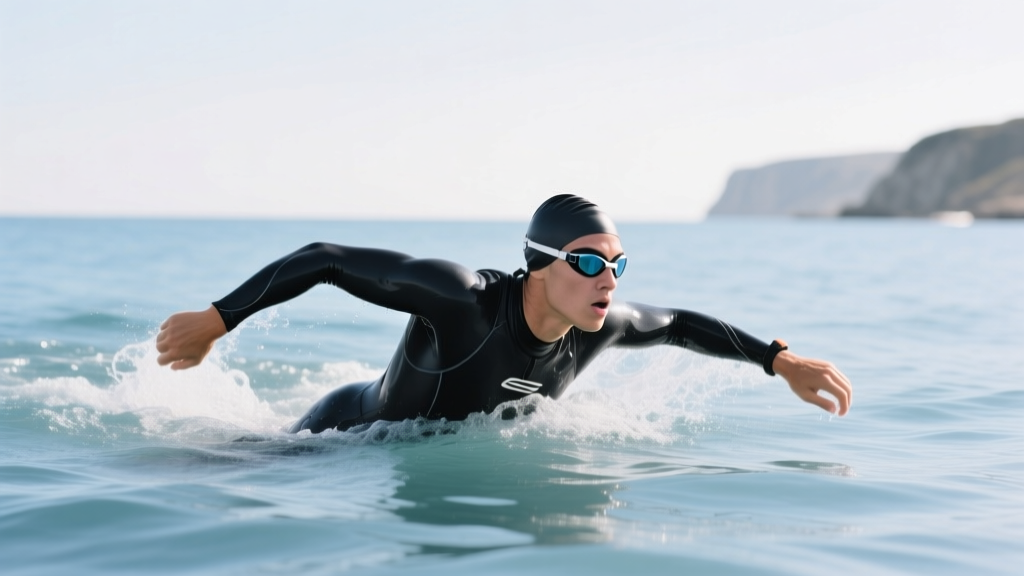
How Long Is the Swim in an Ironman? Full Distance Explained
The swim portion of an Ironman triathlon is 2.4 miles (3.86 kilometers) long, equivalent to swimming 80 lengths of a 50-meter pool. This standardized distance is the first leg of the full Ironman race, followed by a 112-mile bike and a 26.2-mile marathon run.
What Is an Ironman Triathlon?
An Ironman triathlon is one of the most demanding endurance events in the world, consisting of three continuous disciplines: swimming, cycling, and running. The full Ironman distance is internationally standardized, making it a consistent benchmark for elite and amateur athletes alike.
Ironman Race Components
- Swim: 2.4 miles (3.86 km) – typically in open water such as lakes, oceans, or rivers
- Bike: 112 miles (180.2 km) – on roads, often with elevation changes
- Run: 26.2 miles (42.2 km) – a full marathon distance
Total distance: 140.6 miles (226.4 km).
History and Standardization of the Ironman Swim Distance
The Ironman swim distance originated in 1978 during the first Ironman race in Kailua-Kona, Hawaii. Organizers combined existing endurance events: the Waikiki Roughwater Swim (2.4 miles), the Around-Oahu Bike Race (112 miles), and the Honolulu Marathon (26.2 miles). This created the now-iconic Ironman format.
Why 2.4 Miles?
The 2.4-mile swim was not arbitrarily chosen. It was based on the length of the Waikiki Roughwater Swim, a well-known Hawaiian open-water race. Using this distance ensured logistical feasibility and historical continuity. Since then, the World Triathlon Corporation (now The IRONMAN Group) has maintained this standard across all full Ironman events globally.
Training for the Ironman Swim
Completing the 2.4-mile swim requires more than just fitness—it demands technique, open-water experience, and mental resilience.
Key Training Components
- Open-Water Practice: Most Ironman swims occur in natural bodies of water. Athletes should train in similar conditions to adapt to currents, waves, and limited visibility.
- Sighting Technique: Learning to lift the head efficiently to sight buoys prevents disorientation and reduces fatigue.
- Swim Efficiency: Focus on stroke mechanics and breathing rhythm to conserve energy over long distances.
- Group Swimming: Practicing in packs helps simulate race-day chaos and physical contact.
Typical Swim Times in Ironman Races
Swim times vary widely based on athlete experience, course conditions, and wetsuit use. However, most age-group competitors finish within a predictable range.
| Athlete Category | Swim Distance | Average Swim Time | Wetsuit Allowed? | Water Temp Range |
|---|---|---|---|---|
| Professional Men | 2.4 miles (3.86 km) | 47–52 minutes | No* | 65–84°F (18–29°C) |
| Professional Women | 2.4 miles (3.86 km) | 52–58 minutes | No* | 65–84°F (18–29°C) |
| Age-Group Men | 2.4 miles (3.86 km) | 1 hour 10 min – 1 hour 30 min | Yes/No (based on temp) | 65–84°F (18–29°C) |
| Age-Group Women | 2.4 miles (3.86 km) | 1 hour 15 min – 1 hour 35 min | Yes/No (based on temp) | 65–84°F (18–29°C) |
| Beginner Athletes | 2.4 miles (3.86 km) | 1 hour 30 min – 2 hours | Yes/No | 65–84°F (18–29°C) |
The data shows a significant performance gap between professional and age-group athletes, primarily due to swim-specific training volume and efficiency. Water temperature regulations also influence wetsuit usage, which can improve buoyancy and reduce drag, potentially cutting several minutes off total swim time.
Common Challenges During the Ironman Swim
Even experienced swimmers face obstacles during the swim leg. Understanding these challenges helps athletes prepare effectively.
- Mass Start Chaos: Hundreds of athletes entering the water simultaneously can lead to contact, anxiety, and disrupted pacing.
- Navigational Errors: Poor sighting may cause swimmers to go off-course, adding extra distance.
- Cold or Rough Water: Unpredictable weather can increase heart rate and fatigue early in the race.
- Pre-Race Nerves: High adrenaline at the start may lead to rapid breathing and inefficient strokes.
Tips for a Strong Ironman Swim Performance
- Arrive Early: Give yourself ample time to set up your gear, warm up, and mentally prepare.
- Use a Wetsuit Strategically: If allowed, ensure it fits properly and practice swimming in it beforehand.
- Start Wide: Avoid the crowded center by entering from the side to reduce contact and maintain rhythm.
- Control Your Breathing: Stay calm during the first few hundred meters when contact is most likely.
- Practice Fueling: While you won’t eat during the swim, practicing pre-swim nutrition ensures optimal energy levels.
Frequently Asked Questions About the Ironman Swim
How long is the swim in a full Ironman triathlon?
The swim in a full Ironman triathlon is exactly 2.4 miles (3.86 kilometers) long. This is the first of three stages, followed by a 112-mile bike ride and a 26.2-mile marathon run.
Can beginners complete the Ironman swim?
Yes, beginners can complete the Ironman swim with proper training. Most first-time participants take between 1 hour 30 minutes and 2 hours. Building endurance through consistent pool and open-water sessions is key.
Are wetsuits allowed in Ironman swim events?
Wetsuits are allowed if the water temperature is 76.1°F (24.5°C) or lower. They are prohibited above 84°F (29°C). Between 76.2°F and 83.8°F (24.6–28.8°C), wetsuits are optional but wearing one may make you ineligible for awards.
How do I navigate during the Ironman swim?
Navigating involves lifting your head briefly every 6–12 strokes to sight the buoys marking the course. Practicing sighting in training helps maintain direction without disrupting stroke rhythm or increasing fatigue.
What’s the cut-off time for the Ironman swim?
The official swim cut-off time is 2 hours and 20 minutes after the last wave starts. Athletes must reach the first turnaround or transition point within this window to continue the race.
More Articles
 Why Swimming in a Quarry Is Dangerous
 Best Sports for Weight Loss: Calories Burned Comparison and Training Plans
 How Many Seats Per Row in Yankee Stadium?
 Golf Ball Compression vs Swing Speed
 Michael Jordan Vertical Jump: 48-Inch Explained
 Long Jump Drills: 8 Exercises to Add Distance (2026)
 Best Home Gym Equipment Under $500: 2026 Budget Setup Guide
 Sports Gear Storage Tips to Extend Lifespan
 Who Has Won the Most Super Bowls in a Row?
 How Deep Is Water for Water Polo? Official Depth Explained