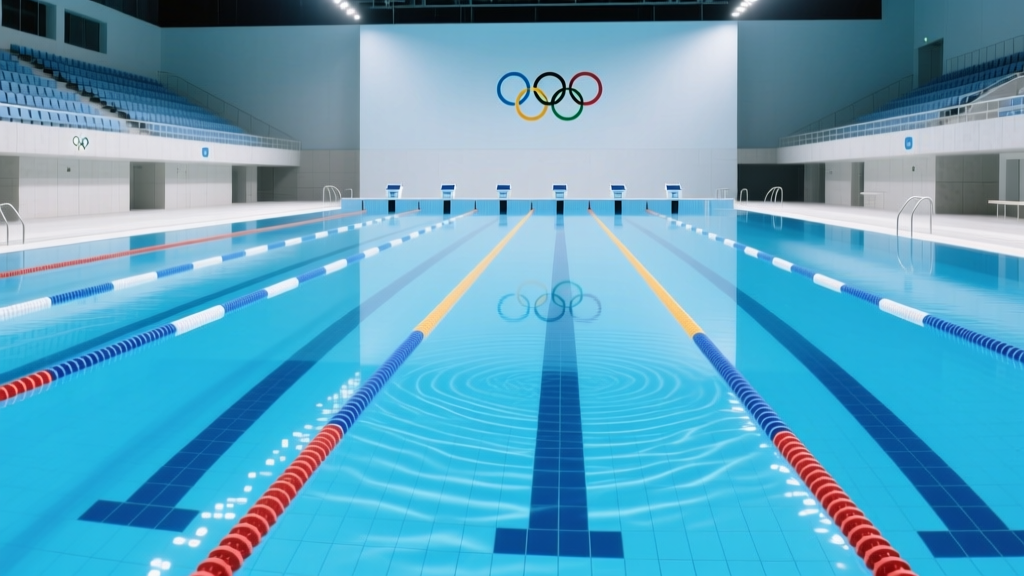
Olympic Swimming Pool Temperature: Official Standards
Olympic swimming pools must be maintained at a temperature between 25°C and 28°C (77°F to 82°F), as regulated by World Aquatics (formerly FINA), ensuring optimal performance and athlete comfort during competition.
Why Is Olympic Pool Temperature Strictly Regulated?
The water temperature in an Olympic swimming pool is carefully controlled to ensure fair competition, athlete safety, and peak physical performance. Deviations outside the standard range can impact swimmers' endurance, muscle function, and overall race times.
Key Reasons for Temperature Control
- Prevents overheating or excessive cooling of athletes
- Maintains consistent swimmer performance across events
- Reduces risk of muscle cramps and fatigue
- Ensures compliance with international competition standards
- Supports accurate timing and record validation
Official Standards Set by World Aquatics
World Aquatics (formerly known as FINA) is the governing body responsible for setting the technical regulations for all aquatic sports, including pool dimensions, lighting, and water conditions. The organization specifies precise thermal limits for competitive swimming environments.
Temperature Requirements by Discipline
Different aquatic events may have slightly varied temperature expectations within the allowed range:
- Swimming: 25°C – 28°C (77°F – 82°F)
- Synchronized Swimming: 25°C – 26°C (77°F – 79°F)
- Water Polo: 25°C – 26°C (77°F – 79°F)
- Diving: 26°C – 28°C (79°F – 82°F)
| Event | Minimum Temp (°C) | Maximum Temp (°C) | Minimum Temp (°F) | Maximum Temp (°F) | Governing Body |
|---|---|---|---|---|---|
| Freestyle, Backstroke, Breaststroke, Butterfly | 25 | 28 | 77 | 82 | World Aquatics |
| Synchronized Swimming | 25 | 26 | 77 | 79 | World Aquatics |
| Water Polo | 25 | 26 | 77 | 79 | World Aquatics |
| Diving | 26 | 28 | 79 | 82 | World Aquatics |
| Open Water Swimming (10km) | 14 | 31 | 57.2 | 87.8 | World Aquatics |
The table illustrates that while most pool-based Olympic events require tightly controlled temperatures between 25°C and 28°C, open water swimming allows a broader range due to environmental factors. Maintaining narrow thermal variance ensures level playing conditions and supports world-record legitimacy.
How Temperature Affects Swimmer Performance
Water temperature directly influences physiological responses during high-intensity swimming. Cooler water improves heat dissipation, reducing core body temperature rise during prolonged exertion.
Effects of Suboptimal Temperatures
- Too Cold (<25°C): Increases risk of muscle stiffness, reduced stroke efficiency, and discomfort
- Too Warm (>28°C): Leads to faster fatigue, elevated heart rate, and impaired thermoregulation
- Inconsistent Temperatures: Can create unfair advantages depending on session scheduling
Elite swimmers train extensively in climate-controlled environments, making standardized pool temperatures essential for replicating training conditions during competition.
Technology Behind Pool Temperature Regulation
Olympic venues use advanced heating, chilling, and circulation systems to maintain stable water temperatures within ±0.5°C of the target. These systems operate continuously before, during, and after events.
Components of Temperature Management Systems
- Heat exchangers powered by electric or gas systems
- Real-time digital monitoring with redundant sensors
- Insulated pool covers when not in use
- Automated feedback loops adjusting to ambient air and usage patterns
- Backup power supplies to prevent system failure
During major events like the Olympics, multiple independent teams verify temperature readings hourly to ensure compliance with World Aquatics standards.
Frequently Asked Questions About Olympic Swimming Pool Temperature
What is the ideal Olympic swimming pool temperature in Fahrenheit?
The ideal temperature for an Olympic swimming pool ranges from 77°F to 82°F, depending on the specific discipline. Competitive swimming events typically run at the higher end of this scale, around 80–82°F, to balance performance and comfort.
Do all Olympic pools have the same water temperature?
No, while all Olympic pools follow World Aquatics guidelines (25°C–28°C), exact temperatures vary slightly by event type. For example, diving pools are kept warmer (up to 28°C) than synchronized swimming pools (max 26°C) to enhance athlete comfort during aerial entries.
How is Olympic pool temperature monitored during competitions?
Temperature is monitored using calibrated digital sensors placed at multiple depths and locations in the pool, typically near the racing lanes. Readings are logged every 15 minutes and reviewed by officials to ensure adherence to regulations.
Has pool temperature ever affected Olympic race outcomes?
While no official disqualifications have occurred solely due to temperature issues, variations beyond the acceptable range could theoretically impact performance. In 2016, concerns were raised about pool conditions in Rio, though no breaches were confirmed. Consistent thermal control remains critical for fairness.
Why isn't colder water better for athletic performance?
Colder water increases drag and causes muscle tension, reducing flexibility and stroke efficiency. Although it aids in cooling, water below 25°C can impair neuromuscular coordination, which is why the lower limit is strictly enforced despite potential thermoregulatory benefits.
More Articles
 How Deep Is Water for Water Polo? Official Depth Explained
 Bungee Jumping Safety: Fatality & Injury Stats (2026)
 Why Do Swimmers Wear Swim Caps? Key Reasons Explained
 How Fast Did Michael Phelps Swim? Speed Breakdown
 How High Can You Jump on the Moon? (6x Higher)
 Volleyball Gear: Performance and Durability
 How Long Is a Water Polo Match? Full Breakdown
 How Long Is a Canoe? Sizes by Type Explained
 Sports Injury Prevention: 12 Evidence-Based Tips to Stay Safe (2026)
 How Much Water Is in an Olympic-Sized Swimming Pool?