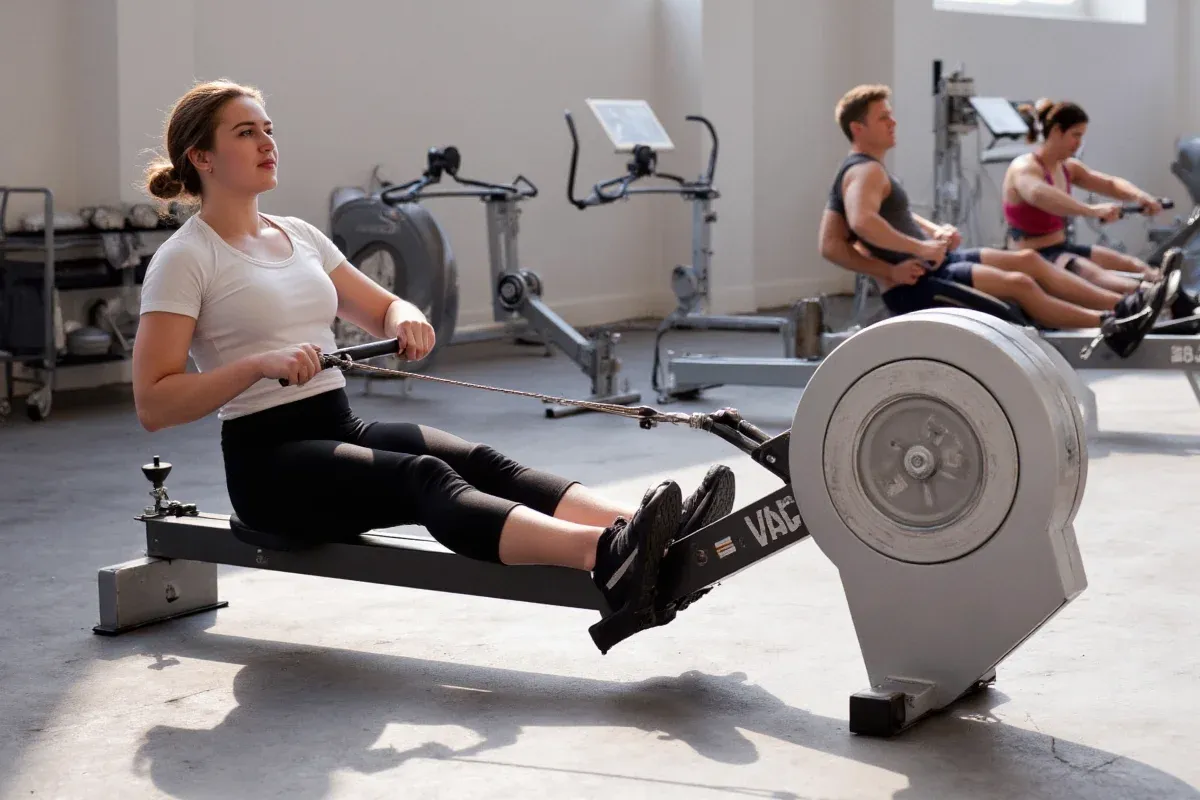
What Muscles Do Rowing Machines Work? Full Breakdown
Rowing machines provide a full-body workout, engaging approximately 86% of your major muscle groups. The primary muscles worked include the quadriceps, hamstrings, glutes, lower back (erector spinae), latissimus dorsi, trapezius, rhomboids, posterior deltoids, biceps, and forearms. During the drive phase, the legs generate about 60% of the power, followed by the back (20%) and arms (20%). This makes rowing highly effective for building strength, endurance, and cardiovascular fitness simultaneously.
The Science Behind Rowing Machine Muscle Activation
Rowing is a compound exercise that mimics the motion of water rowing using a machine. It consists of four phases: the catch, drive, finish, and recovery. Each phase activates different muscle groups in a coordinated sequence, making it one of the most efficient cardiovascular and strength-building workouts available.
Primary Muscle Groups Targeted
The following are the key muscle groups engaged during a typical rowing stroke:
- Quadriceps and Hamstrings: Activated during the leg drive phase, responsible for extending and flexing the knee.
- Gluteus Maximus: Engaged when pushing through the heels to extend the hips.
- Erector Spinae: Stabilizes the lower back during the transition from leg to upper body pull.
- Latissimus Dorsi: Major pulling muscle in the back, activated during the arm and back phase.
- Trapezius and Rhomboids: Support scapular retraction and posture during the finish.
- Posterior Deltoids: Assist in shoulder extension.
- Biceps Brachii and Forearms: Contract during the handle pull to complete the stroke.
Muscle Engagement by Rowing Phase
Different phases of the rowing stroke emphasize specific muscle activation. Understanding this helps optimize form and maximize training efficiency.
Catch Phase
In this starting position, muscles are pre-tensioned. The quads, hamstrings, calves, and lower back are loaded and ready to initiate movement.
Drive Phase
This is the most powerful part of the stroke. Leg extension generates the majority of force, followed by hip hinge and upper body engagement.
Finish Phase
The back and arms complete the pull. The lats, biceps, and rear shoulders reach peak contraction. Core muscles remain active for stability.
Recovery Phase
Muscles eccentrically contract as you return to the starting position. Controlled movement maintains muscle engagement and prevents injury.
Detailed Muscle Activation Table
| Muscle Group | Activation Level (%) | Primary Phase | Function |
|---|---|---|---|
| Quadriceps | 95% | Drive | Knee extension |
| Hamstrings | 85% | Drive & Recovery | Hip extension, knee flexion |
| Gluteus Maximus | 90% | Drive | Hip extension |
| Erector Spinae | 75% | Drive & Finish | Spinal stabilization |
| Latissimus Dorsi | 88% | Finish | Shoulder adduction, extension |
| Trapezius (Middle) | 70% | Finish | Scapular retraction |
| Rhomboids | 72% | Finish | Stabilize scapula |
| Posterior Deltoid | 68% | Finish | Shoulder extension |
| Biceps Brachii | 65% | Finish | Elbow flexion |
| Forearm Flexors | 60% | All Phases | Grip control |
The data shows that lower body muscles contribute the most force during rowing, with quadriceps and glutes reaching over 90% activation. Back muscles like the lats and rhomboids show high engagement during the finish, emphasizing the importance of proper technique. Even forearm muscles maintain consistent low-level activation throughout the stroke due to grip demands.
Benefits of Rowing Machine Workouts
Rowing machines offer unique advantages compared to other cardio equipment:
- Full-body conditioning: Combines aerobic and resistance training in one motion.
- Low-impact exercise: Reduces joint stress while still delivering high-intensity results.
- Improved posture and core stability: Engages deep stabilizing muscles with every stroke.
- Calorie burn efficiency: A 70kg person can burn up to 600 calories per hour at moderate intensity.
- Cardiovascular health: Enhances heart and lung function over time.
Frequently Asked Questions About Rowing Machine Muscles Worked
Do rowing machines work the abs?
Yes, rowing machines engage the abdominal muscles throughout each stroke, especially during the drive and finish phases. While not a primary target like crunches, the rectus abdominis and obliques act as stabilizers to maintain posture and transfer power efficiently from the lower to upper body.
Is rowing good for building leg muscles?
Absolutely. The leg drive contributes about 60% of the total power output during rowing. Quadriceps, hamstrings, and glutes are heavily recruited, making rowing an excellent way to build lower body strength and endurance, especially when combined with resistance settings.
Can rowing help reduce back fat?
Rowing doesn't spot-reduce fat, but it burns significant calories and tones the back muscles, including the lats and erector spinae. Over time, consistent rowing combined with a healthy diet can lead to overall fat loss and improved back definition.
Does rowing build arm muscles?
While the arms contribute only about 20% of the effort, they still experience meaningful resistance. Biceps, forearms, and rear shoulders are engaged during the pull phase. However, rowing alone won't build large arm muscles—supplement with targeted strength training for hypertrophy.
How often should I use a rowing machine for best results?
For optimal muscle development and cardiovascular benefits, aim for 3–5 sessions per week lasting 20–45 minutes. Include interval training and steady-state rows to maximize muscle engagement and fat burning. Allow at least one rest day for recovery and muscle repair.
More Articles
 Ideal Swimming Water Temperature: What’s Comfortable?
 Size Safety Tips: How Proper Sizing Prevents Injury
 Where Can I Drive My Go Kart Legally? Top Safe & Legal Spots
 Where Did Field Hockey Originate? Origins & History
 How Many Swimming Events Are in the Olympics?
 What Length Field Hockey Stick Should You Use?
 What Time Is the NASCAR Race Today? 2025 Schedule & TV Info
 Why Do Water Polo Players Wear Caps?
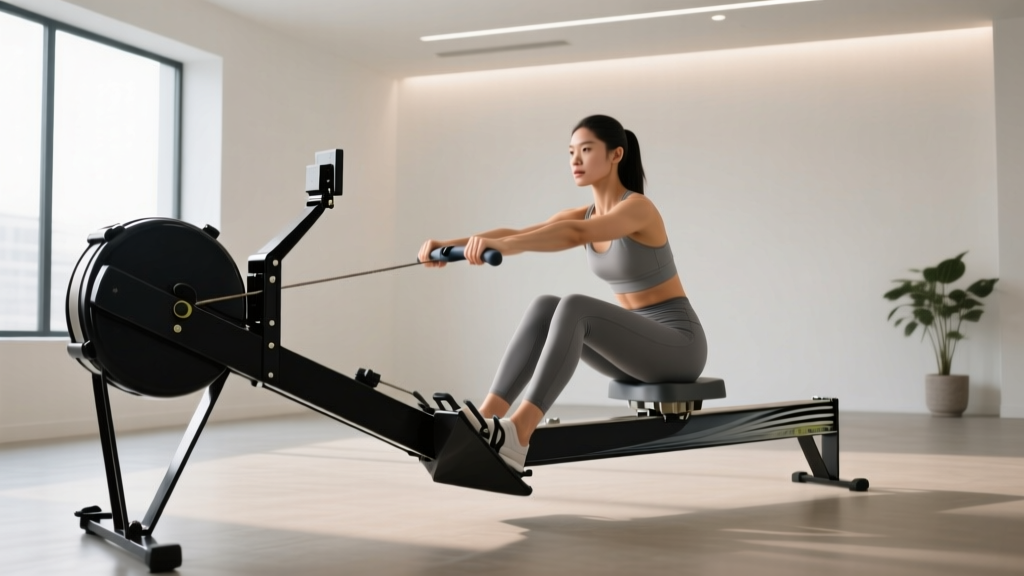 What Does a Rowing Machine Workout Do?
 How Long Is an Olympic Swimming Pool? Exact Dimensions