How Many Skydiving Deaths Per Year? Stats & Safety Facts
On average, there are approximately 20 to 30 skydiving fatalities per year globally, with the United States reporting around 20 deaths annually based on data from the United States Parachute Association (USPA). This translates to a fatality rate of about 0.39 deaths per 100,000 jumps, indicating that while skydiving carries inherent risks, it is statistically safer than many assume given proper training and equipment.
Skydiving Fatality Statistics: An Overview
Skydiving is often perceived as an extremely dangerous activity, but actual data reveals a more nuanced picture. While any death in the sport is tragic, understanding the frequency and causes helps assess real risk. The majority of skydiving fatalities occur due to human error, equipment misuse, or poor decision-making rather than mechanical failure.
Key Factors Influencing Skydiving Deaths
- Experience level of the jumper
- Type of jump (tandem vs. solo)
- Weather conditions
- Equipment maintenance and usage
- Proximity flying or high-speed maneuvers
Tandem vs. Solo Jumps: Risk Comparison
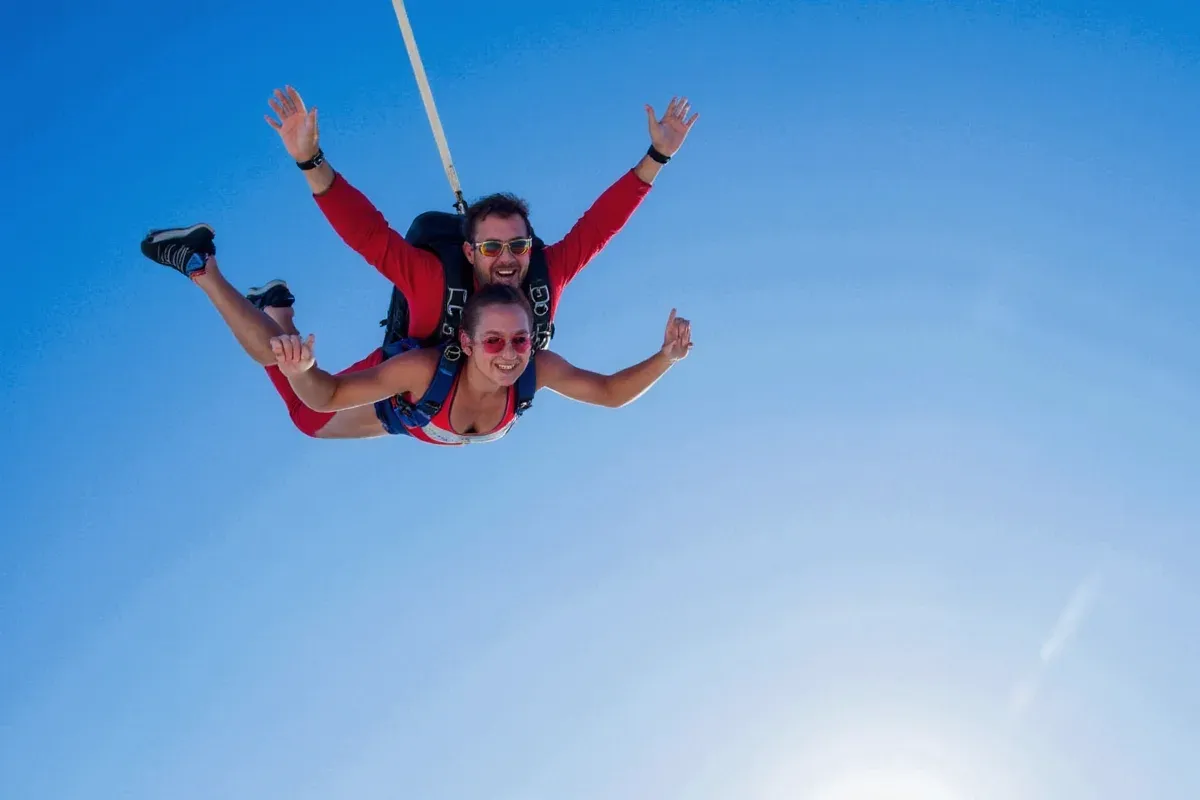
Tandem skydives, where a student is attached to an instructor, are significantly safer than solo jumps. Most fatalities involve experienced jumpers performing complex maneuvers rather than first-time participants.
Common Causes of Fatalities
- Mid-air collisions during formation skydiving
- Incorrect parachute deployment
- Failure to maintain safe altitude for emergency procedures
- High-speed landings or impact with obstacles
- Medical events such as heart attacks during freefall
Global and U.S. Skydiving Fatality Data
The following table presents verified skydiving fatality statistics from recent years, primarily sourced from the USPA and international aviation safety databases.
| Year | U.S. Fatalities | Total Jumps (U.S.) | Fatalities per 100,000 Jumps | Global Estimate |
|---|---|---|---|---|
| 2023 | 18 | 3.58 million | 0.50 | ~27 |
| 2022 | 22 | 3.47 million | 0.63 | ~32 |
| 2021 | 15 | 2.78 million | 0.54 | ~24 |
| 2020 | 11 | 1.89 million | 0.58 | ~19 |
| 2019 | 15 | 3.35 million | 0.45 | ~26 |
The data shows a consistent fatality rate hovering between 0.45 and 0.63 deaths per 100,000 jumps in the U.S. over the past five years. Despite fluctuations in total numbers, the rate remains relatively stable, suggesting that safety improvements offset increasing participation. Global estimates are extrapolated from regional reports and federation data, indicating approximately 20–35 skydiving deaths worldwide annually.
Safety Measures That Reduce Risk
Modern skydiving incorporates multiple layers of safety, including:
- Mandatory training and licensing (A-License through USPA)
- Automatic activation devices (AADs) that deploy parachutes if needed
- Rigorous equipment inspection and packing standards
- Weather monitoring and drop zone safety protocols
- Supervised progression for new jumpers
These systems have contributed to a long-term decline in fatality rates despite rising jump volumes.
How Does Skydiving Compare to Other Activities?
In terms of risk, skydiving is less dangerous than activities like motorcycle riding (over 50 deaths per 100,000 participants annually) or even driving a car (around 1.25 deaths per 100 million miles driven). When contextualized, skydiving’s annual fatality rate of ~0.5 per 100,000 jumps places it among the safer extreme sports.
Frequently Asked Questions About Skydiving Deaths
How many people die skydiving each year in the U.S.?
On average, about 15 to 20 people die annually while skydiving in the United States, according to the United States Parachute Association. In recent years, the number has ranged from 11 to 22 per year, with a fatality rate of roughly 0.5 deaths per 100,000 jumps.
Is skydiving becoming safer over time?
Yes, skydiving has become measurably safer over the past few decades due to improved equipment, mandatory safety devices like AADs, standardized training, and better oversight. Although the number of jumps fluctuates yearly, the fatality rate per 100,000 jumps has remained low and stable.
Are tandem skydiving jumps safe?
Tandem skydiving is very safe, with only one fatality recorded every few years in the U.S. Tandem instructors are highly trained professionals, and both they and students use advanced gear, including automatic activation devices, which greatly reduce risk.
What is the leading cause of death in skydiving?
The primary cause of skydiving fatalities is human error, particularly among experienced jumpers who engage in high-risk maneuvers like formation skydiving, proximity flying, or low-altitude turns. Equipment malfunctions account for a small percentage of incidents.
Can health conditions contribute to skydiving deaths?
Yes, undiagnosed medical conditions such as heart disease or arrhythmias can lead to in-air emergencies, especially during the physical stress of freefall. Some fatalities are attributed to cardiac events rather than parachute or control failures.
More Articles
 What Does Skydiving Feel Like? Real Sensations Explained
 Skiing vs Snowboarding: Which Is Easier for Beginners?
 Speed Tools Compared for Sports Sites
 When Does Ski Season End in Colorado?
 Stabilizer Muscles: Importance in Fitness & Sports
 Why Olympic Surfing Is in Tahiti for 2024
 When Does Ski Season Finish? Key Dates by Region
 Best Baseballs for Play: Field Guide for Coaches
 Where to Ski in Colorado: Top Resorts & Tips
 Where Is Jaws Surf Spot? Location & Facts