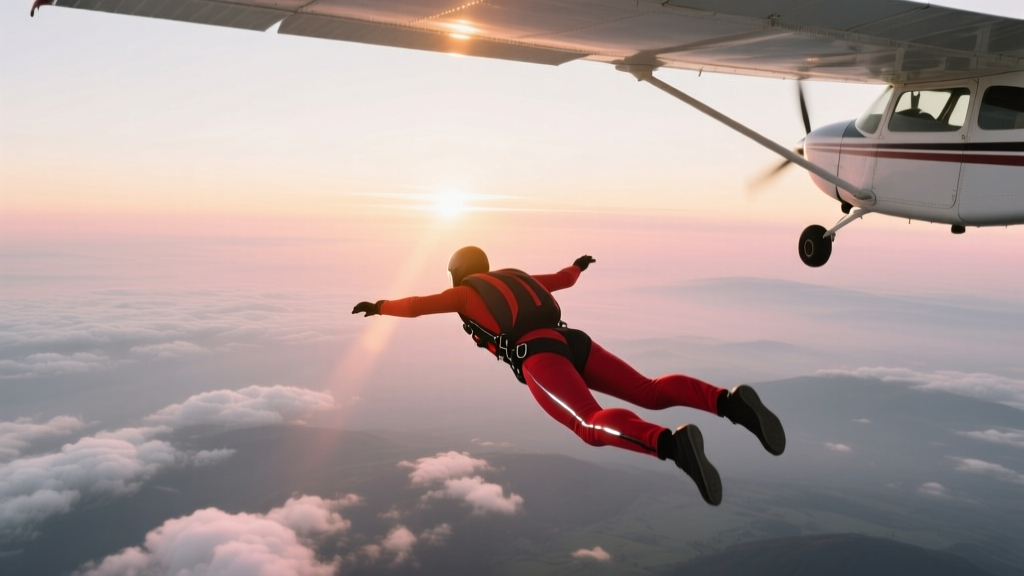
How Many People Die Skydiving Each Year? (2025 Data)
Approximately 10 to 20 people die annually from skydiving in the United States, based on data from the United States Parachute Association (USPA). With over 3 million jumps performed each year, this translates to an average fatality rate of about 0.39 deaths per 100,000 jumps, making skydiving a relatively low-risk extreme sport when proper safety protocols are followed.
Skydiving Fatality Statistics: An Overview
Skydiving is often perceived as one of the most dangerous recreational activities, but statistical evidence suggests otherwise. While fatalities do occur, the overall risk is quite low when compared to other common activities. The United States Parachute Association (USPA) has maintained detailed records of skydiving incidents for decades, offering reliable insights into the actual risks involved.
Key Factors Influencing Skydiving Safety
- Type of jump (tandem vs. solo)
- Experience level of the jumper
- Weather conditions at the time of the jump
- Equipment maintenance and technology
- Proper training and adherence to procedures
Tandem vs. Solo Jumps: Risk Comparison
Tandem skydiving, where a first-time jumper is harnessed to an experienced instructor, is significantly safer than solo jumps. Most fatalities involve experienced jumpers performing high-risk maneuvers rather than novice tandem participants.
Common Causes of Skydiving Fatalities
- Incorrect canopy control or landing errors
- Mid-air collisions with other jumpers
- Failure to activate the main or reserve parachute
- Low-altitude freefall decisions or unstable exits
- Medical emergencies during descent
| Year | Total Jumps (Millions) | Fatalities | Fatalities per 100,000 Jumps |
|---|---|---|---|
| 2023 | 3.3 | 11 | 0.33 |
| 2022 | 3.4 | 12 | 0.35 |
| 2021 | 3.1 | 10 | 0.32 |
| 2020 | 1.8 | 7 | 0.39 |
| 2019 | 3.3 | 15 | 0.45 |
| 2018 | 3.3 | 13 | 0.40 |
| 2017 | 3.2 | 21 | 0.65 |
The data shows a consistent decline in skydiving fatalities over the past decade despite stable jump volumes. The 2017 spike (21 deaths) was an outlier compared to recent averages of 10–12 deaths per year. Improved equipment reliability, better training standards, and increased use of automatic activation devices (AADs) have contributed to enhanced safety.
Global Skydiving Fatality Rates
While U.S. data is the most comprehensive, skydiving fatality rates globally vary due to differences in regulation, training standards, and reporting accuracy. Countries like Australia, Canada, and members of the European Union report similar or lower fatality rates relative to jump volume.
International Comparison Highlights
- Australia: ~1 fatality per 150,000 jumps annually
- Canada: Roughly 1–3 fatalities per year, depending on activity levels
- United Kingdom: Strong regulatory oversight leads to very low incident rates
Despite regional variations, the global trend mirrors the U.S.: skydiving is becoming safer over time due to technological and procedural advancements.
How Safe Is Skydiving Compared to Other Activities?
When evaluating risk, it's essential to compare skydiving to everyday activities. Statistically, you're more likely to die in a car accident during a 6-mile drive than in a single skydive. According to the National Safety Council, the odds of dying from a motor vehicle crash in a year are 1 in 9,471, while skydiving fatalities sit around 1 in 250,000 jumps.
Risk Comparison Table
- Drowning: 1 in 1,100 lifetime chance
- Firearms accident: 1 in 7,858
- Plane crash (commercial): 1 in 9,821
- Skydiving: 1 in 250,000 per jump
This perspective helps contextualize the actual danger of skydiving within broader risk assessment frameworks.
Frequently Asked Questions About Skydiving Deaths
How many people die skydiving each year in the US?
On average, between 10 and 15 people die skydiving annually in the United States, according to the United States Parachute Association. In recent years, the number has been closer to 10–12 fatalities per year despite over 3 million jumps taking place annually.
Is skydiving safer now than in the past?
Yes, skydiving has become significantly safer over the past two decades. Advances in parachute design, mandatory use of automatic activation devices (AADs), improved training programs, and stricter operational standards have all contributed to reducing fatality rates by nearly 50% since the early 2000s.
What causes most skydiving deaths?
The majority of skydiving fatalities result from human error, particularly among experienced jumpers performing high-speed maneuvers or risky landings. Incorrect canopy control, mid-air collisions, and failure to deploy parachutes in time are leading causes. Medical events such as heart attacks during freefall also contribute to a smaller percentage of deaths.
Are tandem skydives safer than solo jumps?
Yes, tandem skydives are much safer than solo jumps. Tandem jumps involve a certified instructor who controls the entire descent, including parachute deployment and landing. First-time jumpers are securely attached, minimizing human error. The fatality rate for tandem skydiving is extremely low—less than 0.05 deaths per 100,000 jumps.
Can equipment failure cause skydiving deaths?
Equipment failure is rare due to rigorous inspection and maintenance standards. Modern skydiving rigs include both a main and a reserve parachute, and most systems are equipped with automatic activation devices (AADs) that deploy the reserve parachute if the jumper fails to do so. Most incidents attributed to “equipment issues” are later found to involve improper packing or user error rather than mechanical defects.
More Articles
 When Did Surfing Become an Olympic Sport?
 Who Invented Skiing? Origins and Key Innovators
 Can Lifting Weights Help You Lose Weight? Yes, Here's How
 Next On A Budget: How to Watch Premium Streaming Without Paying Premium Prices
 Play and Bowls Compared: Practical Differences in Design, Function, and Real-World Use
 Best Warm-Up Exercises Before Sports: Dynamic Stretching Routines for Athletes
 How Many Calories Do I Burn in Pilates? (By Type & Weight)
 How To Match Evidence With Official: A Field-Tested Protocol for Compliance, Audits, and Dispute Resolution
 Start Buying Guide: Practical First Steps for Smart, Confident Purchases
 Where to Buy Ski Clothes: Best Stores & Deals 2025