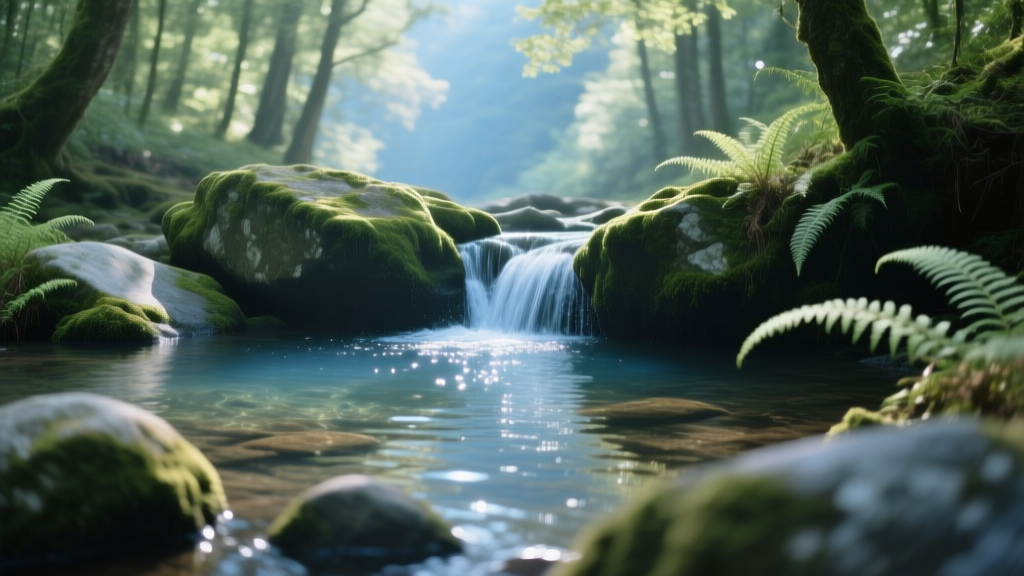
Where Can You Swim in Fresh Springs Near Me?
If you're wondering where you can swim in fresh springs near me, the best options include protected spring parks and recreational areas with natural water flow, such as Weeki Wachee Springs (FL), Jacob's Well (TX), or Big Spring (MO), which offer safe, clear, and refreshing freshwater swimming in environmentally preserved settings.
Why Freshwater Springs Are Ideal for Swimming
Freshwater springs provide a unique and naturally filtered swimming experience. Fed by underground aquifers, these springs maintain consistent temperatures year-round and often feature crystal-clear water with minimal pollutants. Unlike lakes or rivers, springs are less prone to algal blooms and bacterial contamination due to continuous water movement and filtration through limestone or sand layers.
Benefits of Swimming in Natural Springs
- Naturally filtered, clean water with high visibility
- Stable water temperatures (typically 68–72°F / 20–22°C)
- Low chlorine and chemical exposure compared to pools
- Scenic environments surrounded by native flora and wildlife
- Eco-tourism opportunities supporting conservation efforts
Top Freshwater Springs for Swimming in the U.S.
Across the United States, several well-maintained spring locations allow public swimming while preserving ecological integrity. These sites are managed by state parks, conservation districts, or local authorities to ensure safety and sustainability.
| Spring Name | Location | Water Temp (°F) | Depth (ft) | Swimming Allowed | Entry Fee (Adult) |
|---|---|---|---|---|---|
| Weeki Wachee Springs | Florida | 74 | 120 | Yes (designated area) | $15 |
| Jacob's Well | Hays County, TX | 68 | 140 | Limited (seasonal access) | $10 |
| Big Spring | Carroll County, MO | 58 | 30 | Yes | Free |
| Manatee Springs | Chiefland, FL | 72 | 25 | Yes | $6 |
| Silfra Fissure | Thingvellir, Iceland | 35–45 | 60 | Diving only | $400 (guided dive) |
The data shows that most U.S. freshwater springs maintain temperatures between 58–74°F, making them ideal for cool-weather swimming. Florida leads in accessible spring swimming with multiple state-managed parks. Entry fees remain low, typically under $20, supporting conservation and infrastructure maintenance.
How to Find Fresh Springs Near Your Location
To locate freshwater springs nearby, use a combination of geographic databases, park service websites, and community-driven platforms. Start with the U.S. Geological Survey (USGS) National Hydrography Dataset or state-specific groundwater maps. Then cross-reference with recreational listings on State Parks or AllTrails for verified access points.
Recommended Tools for Locating Nearby Springs
- Google Earth Pro: Use terrain view to identify surface seeps and spring clusters
- AllTrails: Filter by “natural spring” and check user photos for swimming suitability
- USDA Aquifer Lookup: Identify karst regions prone to spring formation
- Local Caving or Diving Clubs: Access private or restricted springs through guided tours
Safety Tips for Swimming in Natural Springs
While freshwater springs are generally safe, they pose unique risks due to depth, cold temperatures, and strong currents from underground sources. Always follow posted guidelines and never swim in closed or protected zones.
Common Hazards and Precautions
- Cold shock: Water below 70°F can cause hyperventilation; acclimate slowly
- Strong outflows: Some springs have powerful discharge currents; avoid diving headfirst
- Wildlife: Be aware of snakes, alligators (in southern states), or nesting birds
- Water quality: Check local advisories for bacteria or algal levels before entering
- Access restrictions: Many springs close seasonally to protect endangered species
Environmental Considerations When Visiting Springs
Natural springs are fragile ecosystems. Human activity can introduce pollutants, disturb sediment, and harm aquatic life. Responsible swimmers should practice “Leave No Trace” principles and avoid using lotions or non-biodegradable sunscreens.
How to Minimize Your Impact
- Use reef-safe sunscreen or protective swimwear
- Avoid touching plants, rocks, or wildlife
- Stay on designated paths and floating docks
- Never feed animals or leave trash behind
- Support conservation fees that fund habitat protection
About Fresh Spring Swimming: Common Questions
Where can you swim in fresh springs near me?
The closest freshwater springs open for swimming depend on your location. In Florida, try Weeki Wachee or Manatee Springs. In Texas, Jacob's Well is popular but seasonally restricted. Missouri’s Big Spring offers free access. Use AllTrails or state park websites to find ones near you.
Are freshwater springs safe for swimming?
Most designated spring swimming areas are safe when regulations are followed. However, some springs may have strong currents, cold temperatures, or seasonal closures due to wildlife breeding. Always check local advisories and avoid off-trail or unmarked entries.
What is the water temperature in natural springs?
Natural springs typically range from 58–74°F (14–23°C), depending on geography and depth. Because the water comes from underground aquifers, it remains relatively constant year-round, making it refreshing in summer and potentially dangerous in winter without proper gear.
Do I need special gear to swim in a spring?
For casual swimming, a swimsuit and towel are sufficient. However, in colder springs (below 70°F), consider a wetsuit to prevent cold shock. Snorkel gear enhances visibility in clear springs, and water shoes protect feet from sharp rocks or gravel bottoms.
Can children swim in natural springs?
Yes, many spring parks are family-friendly with shallow entry points and lifeguards during peak seasons. Examples include Rainbow Springs (FL) and Blue Spring State Park. Always supervise children closely, as underwater currents can be unpredictable even in calm-looking waters.
More Articles
 How Long to Jump Rope for Cardio: Optimal Duration
 How Much Is It to Rent a Jet Ski? (2025 Rates)
 How Much to Jet Ski: Rental & Purchase Costs (2025)
 Why No Swimming at Apollo Beach? Safety Explained
 Olympic Swimming Pool Temperature: Official Standards
 How Long Is a Swimming Pool? Sizes Explained
 Which Behavior Is Task-Oriented Style Linked To?
 Why Swimming in a Quarry Is Dangerous
 How Much Does a Formula 1 Car Cost? (2025 Data)
 What Do MotoGP Riders Wear on Their Hands?