Who Played in Super Bowl 1? Teams, Score & Facts
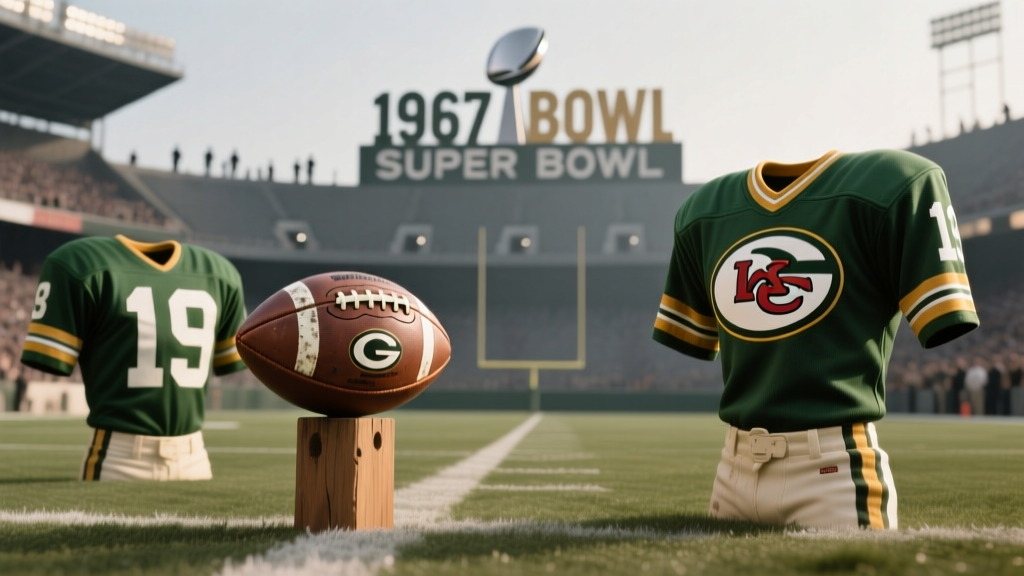
The two teams that played in Super Bowl 1 were the Green Bay Packers and the Kansas City Chiefs. The game took place on January 15, 1967, at the Los Angeles Memorial Coliseum, with the Packers defeating the Chiefs 35-10 under head coach Vince Lombardi.
Overview of Super Bowl 1
Super Bowl 1, officially known as the AFL-NFL World Championship Game, marked the first championship game between the American Football League (AFL) and the National Football League (NFL). This historic matchup set the stage for what would become the most-watched annual sporting event in the United States.
Key Facts About the Game
- Date: January 15, 17
- Location: Los Angeles Memorial Coliseum
- Final Score: Green Bay Packers 35, Kansas City Chiefs 10
- Head Coach (Winning Team): Vince Lombardi
- MVP: Bart Starr, Quarterback, Green Bay Packers
- Attendance: 61,946
Teams That Competed in Super Bowl 1
The Super Bowl featured the champions of the NFL and the AFL. In this inaugural edition, the Green Bay Packers represented the NFL after winning the 1966 NFL Championship, while the Kansas City Chiefs earned their spot by defeating the Buffalo Bills in the AFL Championship.
Green Bay Packers (NFL)
Coached by legendary Vince Lombardi, the Packers dominated the NFL during the mid-1960s. Led by quarterback Bart Starr, running back Jim Taylor, and wide receiver Max McGee, they showcased a balanced offense and disciplined defense.
Kansas City Chiefs (AFL)
The Chiefs, coached by Hank Stram, were one of the AFL's strongest teams. Quarterback Len Dawson led a high-powered offense, but they struggled against the Packers' defense in the big game.
Game Highlights and Key Moments
The Packers took control early, leading 14-0 at halftime. A pivotal moment came when Max McGee scored a touchdown despite not expecting to play—he had partied the night before and arrived late to the stadium. Bart Starr threw two touchdown passes and rushed for another, solidifying his MVP performance.
- First touchdown: FB Donny Anderson (Packers)
- Critical interception: Herb Adderley returned an interception 60 yards for a touchdown
- Chiefs' only score: TD pass from Len Dawson to Curtis McClinton
Detailed Statistics From Super Bowl 1
| Statistic | Green Bay Packers | Kansas City Chiefs |
|---|---|---|
| First Downs | 19 | 12 |
| Total Yards | 382 | 279 |
| Rushing Yards | 128 | 55 |
| Passing Yards | 254 | 224 |
| Passes Completed-Attempted | 16-23 | 14-22 |
| Turnovers | 2 | 4 |
| Time of Possession | 35:17 | 24:43 |
The statistics show a clear advantage for the Packers in time of possession, rushing yards, and turnover margin. Their ability to sustain drives and capitalize on Chiefs' mistakes was instrumental in securing the victory.
Legacy and Impact of Super Bowl 1
Although it didn't yet carry the name "Super Bowl," this game laid the foundation for professional football's biggest stage. Over time, the term "Super Bowl" became official, and the event grew into a cultural phenomenon.
Vince Lombardi's leadership and Bart Starr's composure under pressure became legendary, reinforcing the Packers' dynasty status. For the AFL, despite the loss, the competitive showing helped legitimize the league ahead of the full NFL-AFL merger in 1970.
Frequently Asked Questions About Super Bowl 1
Who won Super Bowl 1 and what was the final score?
The Green Bay Packers won Super Bowl 1, defeating the Kansas City Chiefs with a final score of 35-10.
Where was Super Bowl 1 held?
Super Bowl 1 took place at the Los Angeles Memorial Coliseum in Los Angeles, California, on January 15, 1967.
Who was named MVP of Super Bowl 1?
Bart Starr, quarterback of the Green Bay Packers, was named Most Valuable Player (MVP) of Super Bowl 1 for his outstanding performance, throwing two touchdown passes and leading the offense efficiently.
Were there any notable moments or stories from Super Bowl 1?
Yes—one of the most famous stories is that Packers wide receiver Max McGee, who caught two touchdowns including the first in Super Bowl history, hadn’t planned to play. He stayed out late the night before and arrived at the stadium just before kickoff, yet made crucial plays due to an injury to the starting receiver.
Why was Super Bowl 1 important for the NFL and AFL?
Super Bowl 1 was critical in establishing the credibility of the AFL against the more established NFL. Although the Packers won decisively, the fact that the game was competitive enough to be decided in the fourth quarter helped validate the AFL as a legitimate league, paving the way for the eventual merger.
More Articles
 When Is Baseball Season Over? Final Dates Explained
 LSU Baseball Game Today Start Time & Schedule
 How Much Is a Ticket to the Masters Golf Tournament?
 What Does Cadet Mean in Golf Gloves?
 Who Has the Most Knockouts in Boxing History?
 When Is Tennis Season? Pro & Amateur Schedule Explained
 Who Makes the Best Golf Clubs in 2025?
 When Does the Super Bowl End? Final Time Explained
 Where to Get Bowling Ball Drilled: Best Options & Costs
 Who Won Super Bowl 27 in 1993? Cowboys Beat Bills 52-17