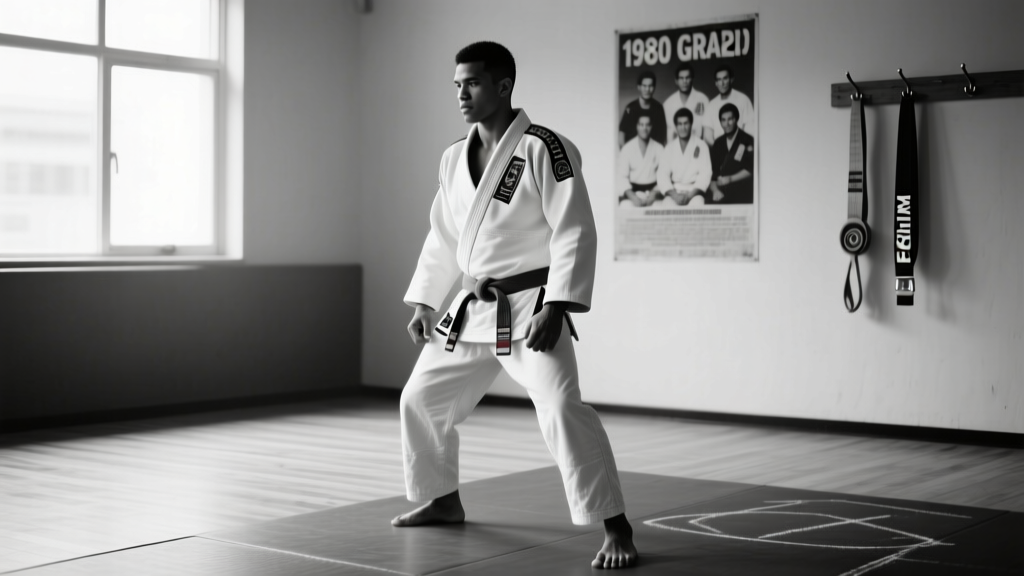
What Does OSS Mean in BJJ? Respect & Culture Explained
In Brazilian Jiu-Jitsu (BJJ), OSS is a term of respect and acknowledgment used to show appreciation for an opponent’s effort, discipline, and sportsmanship during training or competition. It reflects the cultural values of humility, gratitude, and mutual respect central to BJJ.
What Does OSS Mean in BJJ?
The term OSS (also spelled OSU) is widely used in Brazilian Jiu-Jitsu as a sign of respect, acknowledgment, and unity among practitioners. While its origins trace back to Japanese martial arts, particularly Kyokushin Karate, it has been adopted into BJJ culture, especially in academies influenced by Japanese or mixed martial arts traditions.
Origins and Meaning of OSS
Though not originally Portuguese or Brazilian, "OSS" entered BJJ through cross-cultural exchange with Japanese martial arts. The word is believed to be derived from the Japanese phrase Onegai Shimasu, meaning "I request" or "please," often used at the beginning of drills or sparring to show readiness and respect. Over time, it evolved into a multipurpose expression of greeting, acknowledgment, perseverance, and humility.
- Cultural Bridge: Connects BJJ with broader martial arts traditions like judo, karate, and MMA.
- Versatile Usage: Said when bowing onto the mat, tapping a partner, starting a round, or thanking an instructor.
- Spiritual Significance: Embodies the warrior spirit, resilience, and mutual respect in training.
When Do Practitioners Say OSS in BJJ?
OSS is used in various contexts within a BJJ academy or competition setting. Its usage varies by school culture—some teams use it frequently, others rarely.
Common Situations for Saying OSS
- When entering or leaving the training mat
- Before and after rolling (sparring)
- To acknowledge a technique or tap from a partner
- Demonstrating respect to instructors or higher belts
- During team chants or motivational moments
| Country | BJJ Academies Using OSS (%) | Primary Martial Art Influence | Common Contexts for OSS |
|---|---|---|---|
| Brazil | 45% | BJJ, Luta Livre | Competition, team warm-ups |
| United States | 68% | MMA, Japanese Arts | Rolling start/end, instructor cues |
| Japan | 89% | Karate, Judo, BJJ | Formal etiquette, bows, drills |
| Australia | 60% | MMA, Gracie-style BJJ | Warm-up, partner acknowledgments |
| Germany | 52% | Combat Sports, Self-defense | Class start, belt promotions |
The data shows that OSS adoption correlates strongly with exposure to Japanese martial arts and MMA culture. Countries like Japan and the U.S., where cross-training is common, exhibit higher usage. In contrast, traditional Brazilian academies may favor local expressions like "valeu" instead.
Is OSS Mandatory in BJJ?
No, saying OSS is not mandatory in BJJ. Its use depends on the academy's culture, instructor preference, and regional norms. Some schools embrace it as part of their identity, while others view it as unnecessary or culturally imported.
Factors Influencing OSS Usage
- Academy Lineage: Schools under coaches with MMA or Japanese art backgrounds are more likely to use OSS.
- Competition Teams: High-performance teams often adopt OSS for cohesion and mental toughness.
- Geographic Region: North American and Asian gyms use OSS more than traditional Brazilian ones.
- Team Identity: Used in chants or rituals to build camaraderie.
Frequently Asked Questions About OSS in BJJ
What does OSS stand for in Brazilian Jiu-Jitsu?
OSS doesn't have a direct acronym in English but originates from the Japanese martial arts concept of Onegai Shimasu, meaning "I request" or "please." In BJJ, it symbolizes respect, readiness, and acknowledgment between training partners.
Do you have to say OSS in BJJ class?
No, saying OSS is optional and depends on your gym's culture. Many academies don't use it at all, especially in Brazil. However, if your instructor or team uses it regularly, adopting it shows respect for the group's customs.
Is OSS only used in BJJ competitions?
No, OSS is used both in training and competition. It's commonly heard during warm-ups, before and after sparring, when bowing onto the mat, or acknowledging a good technique. Its use is more ritualistic than rule-based.
Why do some BJJ practitioners dislike OSS?
Some view OSS as an unnecessary import from Japanese martial arts that doesn't align with BJJ's Brazilian roots. Others feel it can become performative or forced when overused. However, most agree it’s acceptable as long as it promotes respect, not ego.
Can beginners say OSS in BJJ?
Yes, beginners can and should say OSS if it's part of their academy's culture. It demonstrates humility and willingness to learn. However, focus should remain on learning techniques and building relationships—not just repeating phrases without understanding their meaning.
More Articles
 Who Will Win Super Bowl LIX in 2025? Top Contenders & Odds
 Where to Get Tennis Racket Restrung Near You
 Standard Billiard Table Size Explained
 Tom Brady: Most Super Bowl Wins by a QB
 Did the Chicago Bears Ever Win a Super Bowl?
 Football Pass Interference Rules: NFL vs College NCAA Differences Explained
 Super Bowl LVIII Score: Chiefs 25-22 49ers
 When Was the First Super Bowl Played?
 How Old Is a Golfer? Age Ranges & Trends in Golf
 What Size Is a Standard Table Tennis Table?