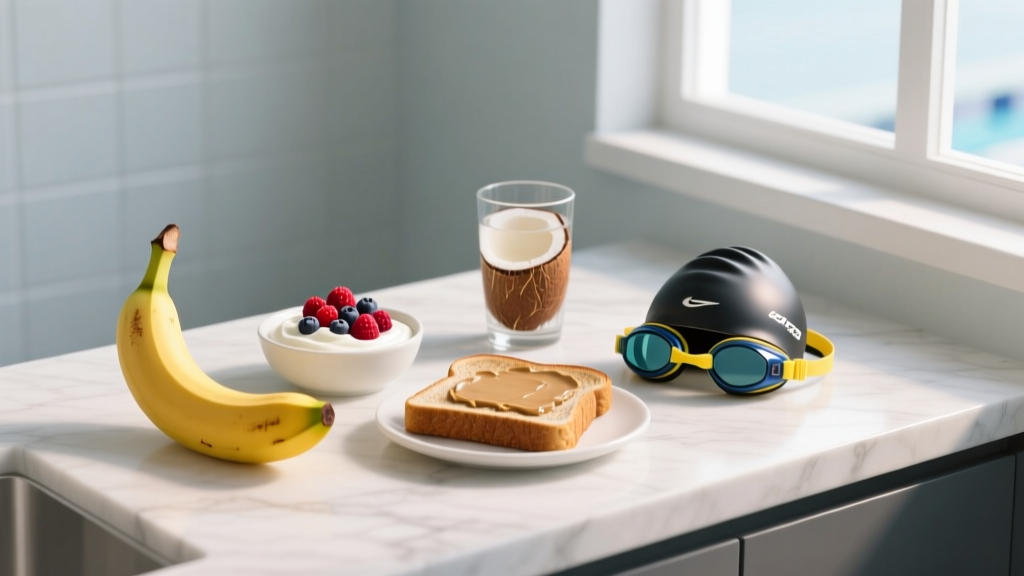
What to Eat Before a Swim Meet: Best Pre-Race Foods
Before a swim meet, eat a meal high in carbohydrates, moderate in protein, and low in fat and fiber 2–4 hours prior, such as oatmeal with banana and yogurt or a turkey sandwich on white bread. This fuels muscles, supports performance, and prevents digestive discomfort.
Why Nutrition Before a Swim Meet Matters
Proper pre-competition nutrition is essential for peak swimming performance. The food you eat before a meet directly impacts energy levels, focus, endurance, and recovery. Swimmers who fuel correctly are more likely to maintain strong stroke efficiency, reduce fatigue, and perform consistently across multiple events.
Unlike long-duration sports, swimming often involves short, intense bursts of effort. However, meets can last several hours, requiring sustained energy and mental clarity. Therefore, the goal is to optimize glycogen stores in muscles and liver while minimizing gastrointestinal distress.
Key Goals of Pre-Meet Nutrition
- Maximize muscle and liver glycogen stores
- Maintain stable blood sugar levels
- Prevent hunger without causing fullness or bloating
- Avoid gastrointestinal issues like cramps or nausea
- Support hydration and mental focus
Timing Your Pre-Swim Meet Meals
The timing of your last meal or snack is just as important as what you eat. Digestion takes time, and exercising too soon after eating can lead to discomfort, especially when diving or performing flip turns.
Recommended Eating Timeline
- 3–4 hours before: Eat a balanced, carb-rich meal (500–800 kcal)
- 1–2 hours before: Consume a small, easily digestible snack (200–300 kcal)
- 30 minutes before: Sip on a carbohydrate-electrolyte drink if needed
Eating too close to the race increases the risk of reflux or cramping. Conversely, waiting too long may leave you feeling weak or lightheaded.
Ideal Foods to Eat Before Competition
Choose foods that are familiar, bland, and rich in simple carbohydrates. These digest quickly and provide immediate energy without upsetting the stomach.
Best Carbohydrate Sources
- White bread or bagels
- Oatmeal (not high-fiber varieties)
- Bananas, applesauce, or canned fruit
- Rice, pasta, or potatoes
- Dry cereals (low-fiber options like corn flakes)
Appropriate Protein Options
- Low-fat yogurt or cottage cheese
- Peanut butter (in moderation)
- Hard-boiled eggs
- Lean turkey or chicken (small portions)
Keep fat and fiber intake low to ensure rapid digestion. Avoid greasy foods, spicy dishes, or high-residue vegetables before racing.
Sample Pre-Meet Meal Plans
Tailor your meal based on your event start time and personal tolerance. Here are realistic examples:
For Early Morning Meets (Race at 8:00 AM)
- 6:00 AM – Oatmeal made with milk, banana, and a spoon of honey
- 7:15 AM – Small apple with a few sips of sports drink
For Afternoon Meets (Race at 3:00 PM)
- 11:00 AM – Grilled chicken sandwich on white bread, baby carrots, and a granola bar
- 1:30 PM – Rice cake with almond butter and a small orange
For Evening Meets (Race at 6:00 PM)
- 2:00 PM – Pasta with marinara sauce, steamed zucchini, and a roll
- 4:30 PM – Greek yogurt with honey and berries
| Food Item | Carbohydrates (g) | Protein (g) | Fat (g) | Calories | Digestion Time (Est.) |
|---|---|---|---|---|---|
| White Bagel (1 medium) | 58 | 9 | 1.5 | 270 | 60–90 min |
| Banana (1 medium) | 27 | 1.3 | 0.4 | 105 | 30–60 min |
| Oatmeal (1 cup cooked) | 27 | 6 | 3 | 150 | 90–120 min |
| Sports Drink (8 oz) | 14 | 0 | 0 | 60 | 15–30 min |
| Apple with Skin (1 medium) | 25 | 0.5 | 0.3 | 95 | 60–90 min |
| Plain Yogurt (1 cup, low-fat) | 17 | 13 | 3.5 | 140 | 90 min |
This table highlights common pre-meet foods with their macronutrient profiles and estimated digestion times. Carbohydrate-dense, low-fat options like bananas and sports drinks digest quickly, making them ideal within 60 minutes of racing. Higher-volume meals like oatmeal should be consumed earlier to allow full gastric emptying.
Swimmers should prioritize foods with less than 3g of fat and fiber per serving in the hour leading up to competition to minimize gut discomfort during high-intensity efforts.
Foods to Avoid Before a Swim Meet
Certain foods may sabotage your performance due to slow digestion or intestinal irritation. Steer clear of these in the 3–4 hours before racing:
- Fried or greasy foods (e.g., fries, pizza, bacon)
- High-fiber vegetables (broccoli, Brussels sprouts)
- Spicy dishes (curry, hot sauce)
- Carbonated beverages (can cause bloating)
- Large amounts of dairy (if lactose intolerant)
- Energy bars with high fat or protein content
Even healthy foods like nuts, seeds, and whole grains can delay gastric emptying and should be limited before competition.
Hydration Strategies for Optimal Performance
Dehydration negatively affects stroke mechanics, breathing control, and reaction time. Begin hydrating 24 hours before the meet and continue sipping fluids throughout the day.
- Drink 16–20 oz of water 2–3 hours before swimming
- Consume 7–10 oz of water or sports drink 10–20 minutes before warm-up
- Monitor urine color: pale yellow indicates good hydration
For meets lasting over 2 hours or in hot environments, use electrolyte drinks to replace sodium lost through sweat.
Common Questions About Pre-Swim Meet Nutrition
What should I eat 30 minutes before a swim meet?
Opt for a small, easily digestible carbohydrate source such as a banana, applesauce pouch, or 4–6 oz of a sports drink. These provide quick energy without causing stomach upset when consumed shortly before racing.
Can I eat breakfast before an early morning swim meet?
Yes, but choose fast-digesting carbs like toast with jelly, a bowl of low-fiber cereal, or a piece of fruit 1.5–2 hours before warm-up. If time is tight, a liquid meal like a smoothie or sports drink can be effective.
Should I eat protein before swimming?
Include a small amount of protein (10–15g) in your pre-meet meal to support satiety and muscle function, but avoid high-protein foods that delay digestion. Low-fat yogurt or a boiled egg are better choices than steak or protein bars.
Is it okay to fast before a swim meet?
No. Fasting depletes glycogen stores, leading to early fatigue, poor concentration, and reduced sprint power. Even a light snack is better than nothing to fuel performance effectively.
How much should I eat before a swim meet?
Consume 3–4 grams of carbohydrates per kilogram of body weight 3–4 hours before competing. For a 60 kg (132 lb) swimmer, that’s about 180–240g of carbs. Adjust portion size based on appetite and digestion speed.
More Articles
 Olympic Swimming Pool Length: 50 Meters Explained
 Best Running Shoes for Ankle Support (2026)
 How Many Laps to Swim a Mile? By Pool Size
 How Fast Do Race Walkers Walk? Elite Speeds Revealed
 How Long Should I Jump Rope For? By Goal & Level
 How Long Are Formula 1 Races? Duration Explained
 Where Can You Buy a Go Kart? Top 2025 Sources
 How Long Is the English Channel Swim?
 Rowing Machine Muscles Worked: Full-Body Breakdown
 How Many Gallons in an Olympic Size Swimming Pool?