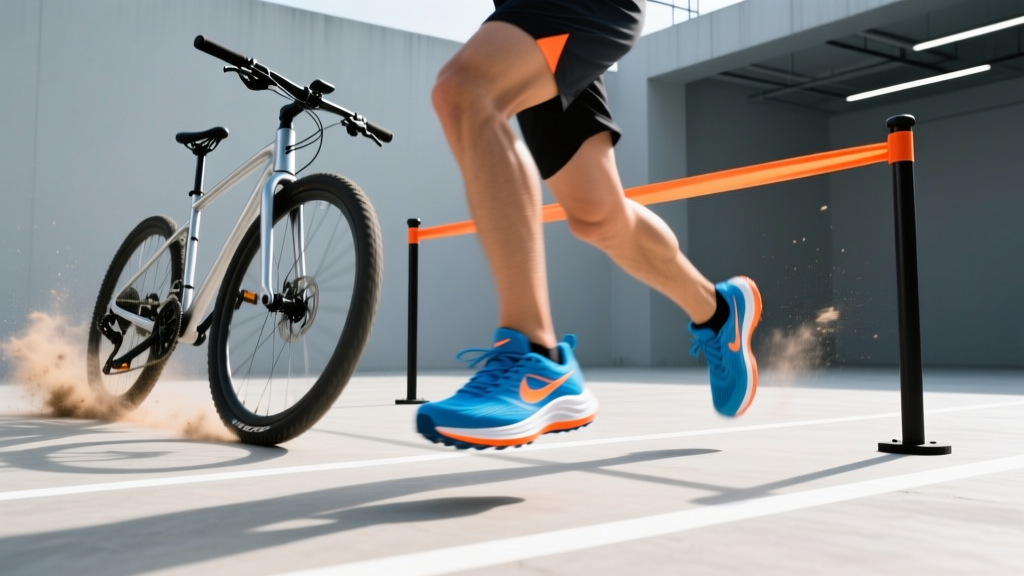
Track Spike Selection: Sprint vs Distance
Why Spike Choice Affects Performance
The wrong spike plate can cost you tenths of a second in sprints or drain energy over long distances. Modern track spikes are engineered for specific events, with plate stiffness, cushioning, and spike placement all varying by distance.
Sprint Spikes (100m-400m)
Sprint spikes feature a full-length rigid plate that maximizes force transfer. There is minimal cushioning to keep weight low and ground contact time short. The spike pins are concentrated in the forefoot for explosive starts and maximum-speed running.
Sprint Spike Features
- Full-length stiff plate (Pebax or carbon fiber)
- Minimal heel cushioning
- 6-8 spike pins in forefoot zone
- Aggressive spike angle for grip
Mid-Distance Spikes (800m-1500m)
Mid-distance spikes blend sprint stiffness with added cushioning. The plate is semi-rigid, allowing some flex for comfort during the longer race. Heel cushioning is moderate to absorb the impact of 3-4 minutes of racing.
Distance Spikes (3000m-10000m)
Distance spikes prioritize cushioning and comfort over plate stiffness. The plate is more flexible, and the overall shoe weight is kept low through lightweight foam rather than aggressive plate geometry. Spike count is usually 4-6 pins.
Spike Pin Length Guide
- Indoor tracks: 3-5mm (protect the surface)
- All-weather outdoor: 5-7mm (standard)
- Wet or soft tracks: 7-9mm (extra grip)
More Articles
 How Many Swimming Events Are in the Olympics?
 When Was Field Hockey Created? History & Origins
 How Long Is an F1 Race? Duration Explained
 Where to Go Go-Karting Near Me: Best Tracks & Tips
 How Much Does a Canoe Cost? (2025 Prices)
 Sports Alternatives to Mean: Safer, Evidence-Based Options for Athletic Performance and Recovery
 Basketball Court Dimensions: NBA, FIBA, College & High School Standards (2026)
 How Fast Are K1 Speed Karts? Top Speed Revealed
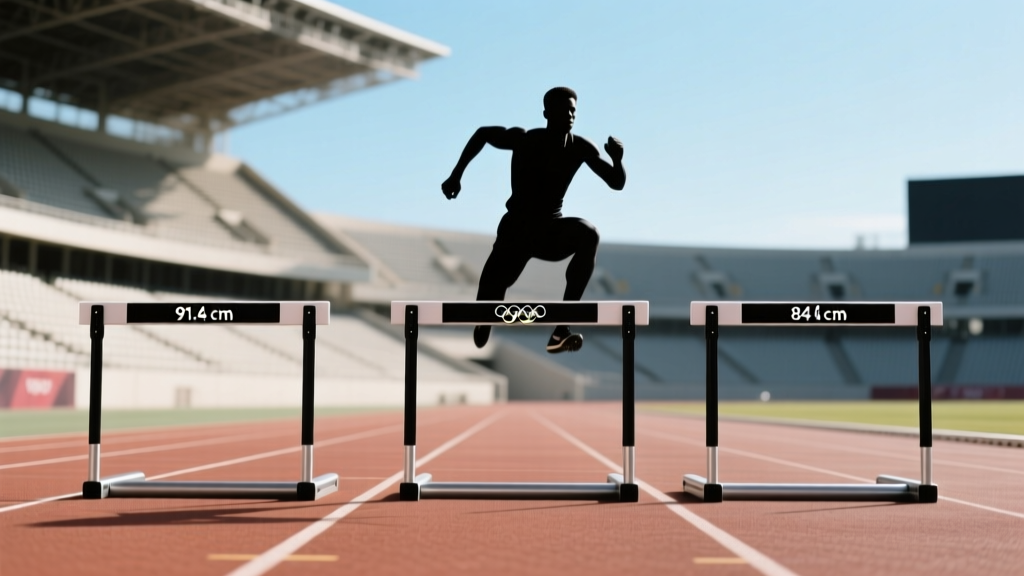 How High Are Hurdles in the Olympics? By Event & Gender
 How High Can You Jump Into Water Safely?