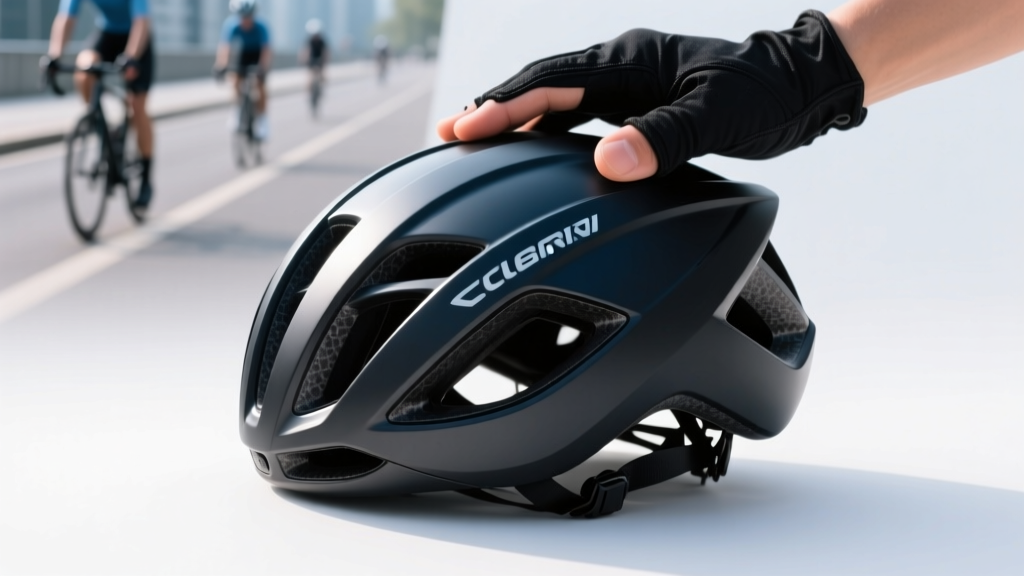
Cycling Helmets Safety Guide: How to Choose, Fit, and Wear a Bike Helmet Correctly
Why Helmet Safety Matters
Head injuries account for approximately 75% of bicycle-related fatalities. A properly fitted helmet can reduce the risk of head injury by up to 85% and brain injury by up to 88%. Yet studies show that fewer than half of adult cyclists wear helmets consistently.
Helmet Safety Certifications
Every cycling helmet sold legally must meet minimum safety standards. Here are the key certifications to look for:
- CPSC (US Consumer Product Safety Commission): Required for all helmets sold in the United States since 1999. Tests impact absorption, strap strength, and coverage area.
- EN 1078 (European Standard): Required in the EU. Slightly different test methodology but equivalent protection level.
- AS/NZS 2063 (Australia/New Zealand): One of the strictest standards globally.
- MIPS (Multi-directional Impact Protection System): An additional rotational impact protection system found inside some helmets.
Types of Cycling Helmets
Road Helmets
Lightweight, well-ventilated, and aerodynamic. Designed for speed-oriented riding with minimal weight. Typically feature 20+ vents and weigh 200-300g.
Mountain Bike (MTB) Helmets
Offer extended rear coverage, visors, and more robust construction. Full-face variants add chin protection for downhill riding.
Commuter/Urban Helmets
Prioritize comfort and visibility features like integrated lights and reflective elements. Often have fewer vents but better all-weather performance.
How to Fit a Helmet Correctly
Follow the 2-V-1 rule:
- 2 fingers above eyebrows: The helmet should sit level on your head, about two finger-widths above your eyebrows.
- V-shape straps: Side straps should form a V shape just below each ear.
- 1 finger under chin strap: The chin strap should be snug enough that only one finger fits between the strap and your chin.
When to Replace Your Helmet
- After any crash or significant impact, even if no visible damage
- Every 5 years regardless of use (foam degrades over time)
- If the shell is cracked, dented, or shows signs of UV damage
- If the straps or buckles are damaged or no longer secure
A well-fitted, certified helmet is the single most important piece of safety equipment for any cyclist. Invest in quality, fit it properly, and replace it when needed.
More Articles
 Who Won the High Jump Today? Mahuchikh & Barshim Claim Gold
 Bungee Jumping Safety: Fatality & Injury Stats (2026)
 How Fast Are Formula 1 Cars? Top Speed & Acceleration Data
 How Much Does It Cost to Build a Swimming Pool? (2025)
 How Thick Is a Hockey Rink Ice? NHL & Olympic Standards
 How Fast Are Go Karts? Top Speeds by Class
 Why Fighting Is Allowed in Ice Hockey Explained
 How to Clean Golf Clubs Like a Pro
 How Are Ice Skating Rinks Made? Full Process Explained
 What Muscles Does a Rowing Machine Work? Full Breakdown