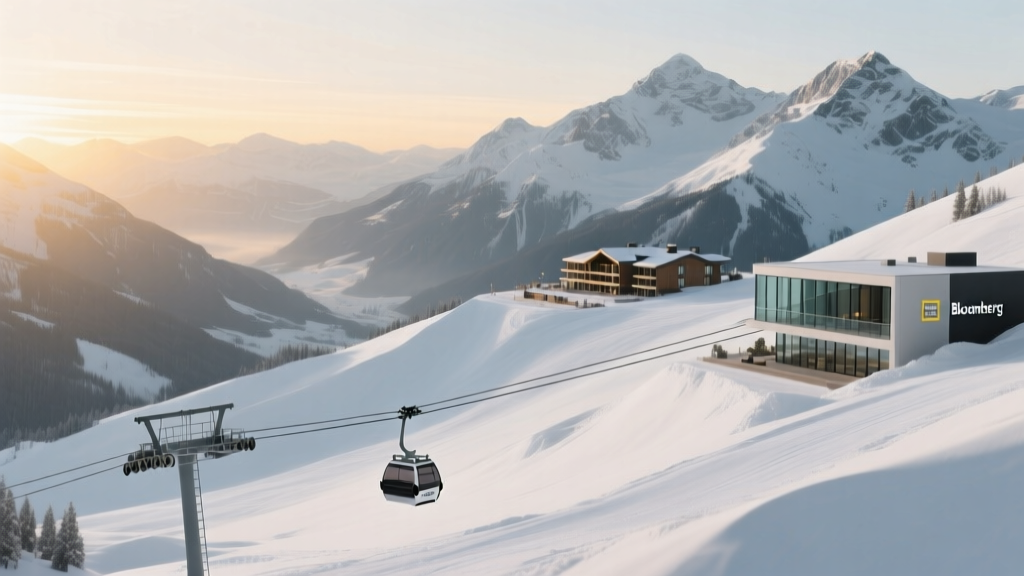
Who Owns Vail Ski Resort? Corporate Ownership Explained
Vail Resorts, Inc. owns Vail Ski Resort—a publicly traded company (NYSE: MTN) that operates over 40 mountain destinations across the U.S., Canada, and Australia.
Who Owns Vail Ski Resort?
Vail Ski Resort is owned and operated by Vail Resorts, Inc., a Fortune 1000 company headquartered in Broomfield, Colorado. The resort is not privately held or independently managed but functions as a flagship property within Vail Resorts' expansive portfolio of ski destinations. Since its founding in 1962, Vail Mountain has grown into one of the most visited ski resorts in North America, and since the formation of Vail Resorts, Inc. as a public entity, it has been central to the company’s growth strategy.
Vail Resorts, Inc. went public in 1997 and currently trades on the New York Stock Exchange under the ticker symbol MTN. Institutional investors including Vanguard, BlackRock, and State Street hold significant stakes, but no single individual owns a controlling interest. The company’s leadership team, led by CEO Kirsten Lynch, oversees strategic operations, investments, and sustainability initiatives across all properties.
Key Ownership Facts
- Vail Resorts, Inc. is the sole owner and operator of Vail Ski Resort.
- The company is publicly traded (NYSE: MTN), meaning ownership is distributed among shareholders. \li>Institutional investors own approximately 85% of outstanding shares.
- No individual holds a majority stake in the company.
- Vail Resorts manages over 40 mountain resorts globally, with Vail Mountain being its largest and most iconic.
Vail Resorts, Inc.: Corporate Structure and History
Founded in 1997 through the consolidation of several regional ski operations, Vail Resorts, Inc. emerged as a dominant force in the global ski industry. While Vail Mountain opened in 1962, the corporate entity responsible for its modern development and expansion was formalized with the creation of Vail Resorts Development Company, later restructured into today’s publicly traded form.
Milestones in Ownership Evolution
- 1962: Vail Mountain opens under private ownership by Pete Seibert and Earl Eaton.
- 1985: Acquired by Gart Bros., then sold to Australian firm Intrawest in 1996.
- 1997: Vail Resorts, Inc. formed and acquires Vail Mountain; becomes publicly traded.
- 2010s–Present: Aggressive acquisition strategy adds Whistler Blackcomb, Stevens Pass, and others.
Portfolio of Destinations Under Vail Resorts
Beyond Vail, the company operates a vast network of premier ski resorts across North America and internationally. These are grouped into four operating segments: Epic Pass Destinations, Regional Pass Destinations, Urban Entertainment, and Real Estate.
| Resort Name | Location | Acquisition Year | Skiable Acres | Annual Visitors (Est.) |
|---|---|---|---|---|
| Vail Mountain | Vail, Colorado | 1997 | 5,289 | 1.8 million |
| Breckenridge | Breckenridge, Colorado | 1996 | 2,908 | 1.4 million |
| Whistler Blackcomb | British Columbia, Canada | 2016 | 8,171 | 3.0 million |
| Park City | Park City, Utah | 2014 | 7,300 | 1.6 million |
| Keystone | Colorado | 1995 | 3,148 | 900,000 |
| Perisher | New South Wales, Australia | 2019 | 1,245 | 750,000 |
The data shows Vail Resorts’ strategic focus on large-scale, high-capacity destinations. Vail Mountain remains one of the largest in terms of skiable terrain, though Whistler Blackcomb surpasses it in both size and annual visitation. The inclusion of international assets like Perisher diversifies revenue streams and extends seasonal operations.
Epic Pass and Business Model Innovation
A cornerstone of Vail Resorts’ dominance is the Epic Pass, introduced in 2008. This season pass grants access to multiple resorts, driving customer loyalty and predictable revenue. Over 1 million Epic Passes were sold in the 2023–2024 season alone.
Benefits of the Epic Pass System
- Generates upfront revenue before the ski season begins.
- Encourages multi-resort travel, increasing overall visitation.
- Provides valuable consumer behavior data for marketing and operations.
- Strengthens competitive advantage against regional, non-affiliated resorts.
Environmental and Community Impact
Vail Resorts has committed to Zero Net Operating Footprint by 2030, focusing on renewable energy, waste reduction, and sustainable snowmaking. While criticized for commercializing traditionally local mountains, the company also invests heavily in community programs, employee housing, and trail conservation.
Sustainability Initiatives
- 100% renewable electricity across all U.S. operations since 2020.
- $10 million annual investment in environmental projects.
- Partnerships with Protect Our Winters and National Forest Foundation.
About Vail Ski Resort: Common Questions
Is Vail Ski Resort privately owned?
No, Vail Ski Resort is not privately owned. It is owned and operated by Vail Resorts, Inc., a publicly traded company listed on the NYSE under the ticker MTN. Ownership is distributed among institutional and retail shareholders.
Who founded Vail Mountain originally?
Vail Mountain was founded in 1962 by skiing pioneer Pete Seibert and rancher Earl Eaton. They identified the potential of Vail Valley after World War II and developed the first lifts and trails with financial backing from local investors and the 10th Mountain Division veterans.
What is the relationship between Vail Resorts and the Epic Pass?
The Epic Pass is Vail Resorts’ proprietary season pass program, offering unlimited access to its owned and partner resorts. Revenue from the Epic Pass accounts for a significant portion of the company’s annual income and supports long-term planning and capital investments.
Did Vail Resorts acquire Whistler Blackcomb?
Yes, Vail Resorts acquired Whistler Blackcomb Holdings Inc. in 2016 for CAD $1.08 billion. This marked the company’s first major international acquisition and expanded its presence in Canada, adding the largest ski resort in North America to its portfolio.
How many ski resorts does Vail Resorts own?
As of 2025, Vail Resorts owns and operates 41 ski resorts across the United States, Canada, and Australia. This includes major destinations like Vail, Breckenridge, Park City, Whistler Blackcomb, and Perisher, along with smaller regional areas included in the Epic Pass network.
More Articles
 Which Insurance Covers Skiing & Snowboarding?
 How High Can You Skydive From: Records & Limits
 How Much Is a Fishing License in Arizona? 2025 Prices
 12 Fun Sports Alternatives to Try
 Cheap vs Premium Long: What You’re Really Paying For in High-Performance Cables
 How Many People Die a Year from Skydiving? Stats & Safety
 Game Day Guide: Strategies and Tactics That Work
 Can Yoga Make You Taller? Science-Backed Truth
 Where Is Copper Mountain Ski Resort Located?
 How Long Is a Skateboard? Sizes by Type & Skill Level