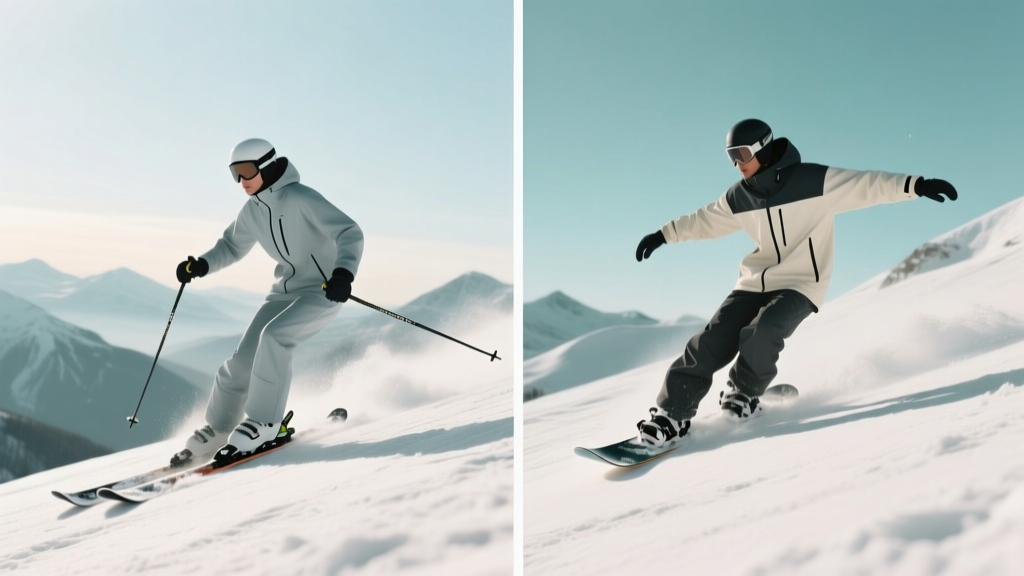
Should I Ski or Snowboard? Find Your Best Fit
If you're wondering whether you should ski or snowboard, the answer depends on your goals, physical preferences, and learning style. Skiing is generally easier for beginners to pick up, allows faster downhill control, and enables walking on flat terrain. Snowboarding offers a more surf-like experience, often feels more intuitive for those with board sports experience, and provides a unique carving sensation. Most adults find skiing easier at first, while snowboarders often report greater long-term progression in freestyle skills.
Understanding Your Goals: Skiing vs Snowboarding
Choosing between skiing and snowboarding starts with understanding what kind of mountain experience you want. Each sport offers distinct advantages depending on your interests, fitness level, and preferred style of riding.
What Do You Want to Achieve on the Mountain?
- Beginner accessibility: Skiing typically has a gentler initial learning curve.
- Freeskiing or park riding: Skiers have more versatility in terrain parks with twin-tip skis.
- Carving and flow: Snowboarders often enjoy deeper carves and smoother turns on groomed runs.
- Backcountry access: Skiers can walk uphill more easily; splitboards help snowboarders but require transitions.
- Speed and control: Skiers can stop and turn more easily early on, especially on steep terrain.
Physical Considerations and Skill Transfer
Your physical condition, coordination, and past experience with sports play a big role in which discipline might suit you better.
Skiing: Physical Demands and Advantages
- Uses both legs independently—similar to walking or running mechanics.
- Better balance distribution for most beginners.
- Less strain on wrists (once basic stops are learned).
- Easier to ride lifts and traverse flats without removing gear.
Snowboarding: Physical Demands and Advantages
- Requires strong core and ankle flexibility.
- Higher risk of wrist injuries during early falls (common among beginners).
- Ankle binding setup demands proper boot fit and support.
- More natural feel for skateboarders, surfers, or wakeboarders.
Learning Curve Comparison
The biggest difference between skiing and snowboarding lies in how quickly you progress from beginner to intermediate levels.
| Metric | Skiing | Snowboarding |
|---|---|---|
| Avg. Hours to Link Turns | 3–5 | 6–8 |
| Time to Ride Green Runs Confidently | 1–2 Days | 2–3 Days |
| Ability to Stop Easily | Within First Session | Day 2–3 |
| Risk of Wipeouts (Beginner) | Moderate | High |
| Long-Term Progression in Freestyle | High | Very High |
The data shows that skiers achieve fundamental control faster than snowboarders. Most new skiers can link turns and stop within hours, while snowboarders often spend their first day mastering balance and one-directional movement. However, snowboarders tend to progress faster in advanced techniques like jumping, spinning, and rail tricks once foundational skills are established.
Cost and Equipment Differences
Both sports require investment, but there are subtle differences in equipment, rentals, and maintenance.
Initial Costs (New Gear)
- Ski Package (skis, bindings, boots, poles): $600–$1,200
- Snowboard Setup (board, bindings, boots): $400–$900
- Apparel (jacket, pants, goggles, gloves): ~$300 (shared cost)
Ongoing Expenses
- Waxing: Required every 4–6 days of use for both
- Edge tuning: More frequent for aggressive skiers/boarders
- Boot replacement: Every 50–100 full days of use
- Lift tickets and lessons: Identical pricing regardless of sport
Which Is Right for Kids, Adults, or Seniors?
Age and developmental stage influence which sport may be more suitable.
Children (Ages 5–12)
- Skis allow smaller kids to stand more naturally and gain confidence faster.
- Dual-discipline programs exist but focus initially on skiing basics.
- Many resorts teach skiing first due to easier instruction scalability.
Adults (18–50)
- Active learners with board sport background often prefer snowboarding.
- Those valuing quick results usually choose skiing.
- Core strength and balance matter more for snowboarding success.
Seniors (50+)
- Skiing is generally recommended due to lower fall risk and easier mobility.
- Pole use supports rhythm and timing, beneficial for older athletes.
- Low-impact ski touring options available for continued enjoyment.
Frequently Asked Questions About Skiing vs Snowboarding
Is skiing easier than snowboarding for beginners?
Yes, most beginners find skiing easier during the first 1–2 days. Skiers can stop, turn, and use poles for balance right away. Snowboarders must learn to ride switch (backwards) and manage balance without independent leg movement initially, making early progress steeper.
Can I try both skiing and snowboarding in one trip?
Yes, many resorts offer combo rental packages and multi-day lesson plans that include both disciplines. Some people spend Day 1 on skis and Day 2 on a snowboard to compare experiences before committing long-term.
Do I need different clothing for skiing and snowboarding?
No, the base layers, jackets, pants, gloves, and goggles are interchangeable. Snowboarders often prefer baggier styles for comfort and style, while skiers lean toward form-fitting gear, but functionality is identical.
Which sport has more injury risks?
Snowboarding has higher rates of wrist, shoulder, and head injuries due to frequent forward falls. Skiing carries greater knee ligament (ACL) injury risk because of twisting forces. Proper protective gear—especially helmets and wrist guards for snowboarders—reduces these risks significantly.
Can I switch from skiing to snowboarding later?
Absolutely. Many skiers take up snowboarding later and vice versa. Balance and mountain awareness from skiing accelerate snowboard learning. Conversely, snowboarders transitioning to skiing benefit from edge control knowledge, though relearning leg independence takes time.
More Articles
 Resistance Band Colors: Strength Level Guide
 Best Places to Go Snow Skiing in 2025
 Who Invented Skiing? Origins and Key Innovators
 How Long Is a Pilates Class? Typical Durations Explained
 How High Can You Skydive From: Records & Limits
 How Many Calories Does 30 Mins Cycling Burn?
 Top Exercises for Shoulder & Neck Strength
 How Much Is an Ironman Triathlon? Cost Breakdown 2025
 Sports Gear Longevity: Tips to Make It Last
 Beginner Guide to Heart Rate Training Zones for Cardio Fitness