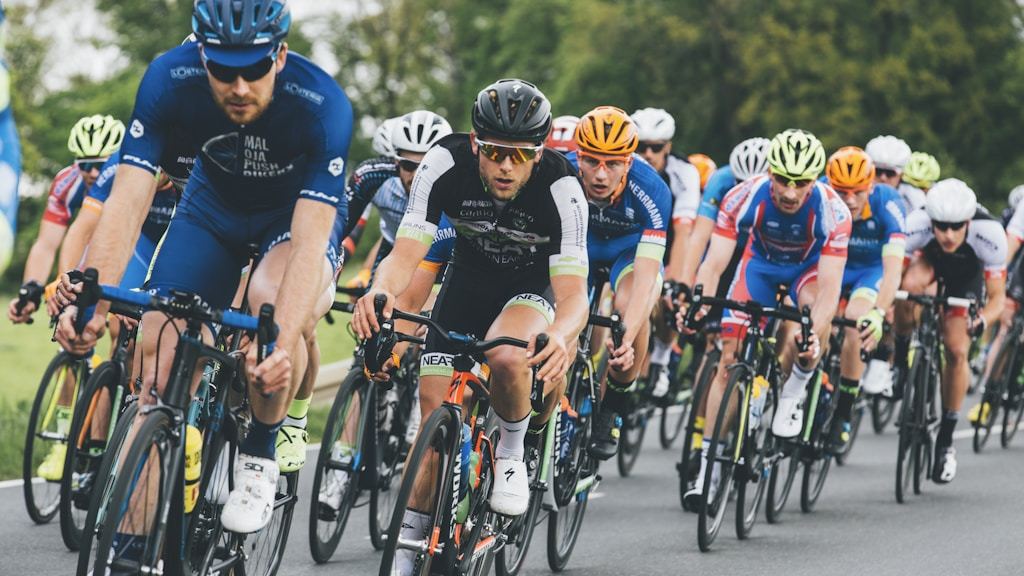
What Does a Triathlon Consist Of? Full Breakdown
A triathlon consists of three consecutive endurance disciplines: swimming, cycling, and running, completed in immediate succession without rest. Athletes transition between each segment using designated areas called 'transition zones,' making efficiency here critical to overall performance.
What Is a Triathlon?
A triathlon is a multisport endurance event combining swimming, cycling, and running over various distances. The order is always the same: swim first, then bike, followed by the run. The sport tests athletes' cardiovascular fitness, stamina, and ability to transition efficiently between disciplines.
Core Components of a Triathlon
- Swim: Typically held in open water (lakes, oceans) or pools for shorter events.
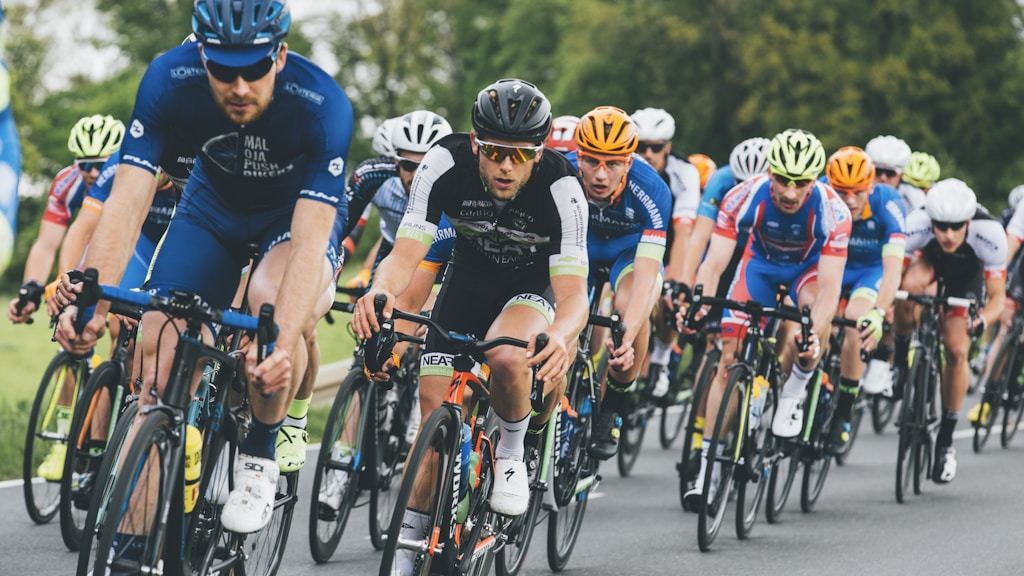
- Bike: Road or time-trial bikes are used on measured routes with strict safety rules.
- Run: Conducted on roads, trails, or tracks, often as a looped course.
- Transitions: The time between segments (T1: swim-to-bike, T2: bike-to-run) counts toward total race time.
Common Triathlon Distances
Triathlons vary in length to accommodate different skill levels and goals. From beginner-friendly sprints to elite-level Ironman races, distance significantly impacts training and strategy.
| Distance | Swim | Bike | Run | Total Approx. Time (Beginner) | Elite Finish Time |
|---|---|---|---|---|---|
| Sprint | 750m | 20km | 5km | 1.5–2 hours | ~1 hour |
| Olympic | 1.5km | 40km | 10km | 2.5–3.5 hours | ~1h 45min |
| Half-Ironman (70.3) | 1.9km | 90km | 21.1km | 5–7 hours | ~4 hours |
| Ironman (Full) | 3.8km | 180km | 42.2km | 10–17 hours | ~8 hours |
The data shows a clear progression in physical demand across distances. While sprint triathlons are accessible to recreational athletes, full Ironman events require extensive preparation and mental resilience. Elite athletes maintain high average speeds—over 40 km/h on the bike leg—highlighting the sport’s competitive intensity.
Transition Zones Explained
Transitions (T1 and T2) are not just logistical phases—they’re strategic elements. Top athletes practice 'brick workouts' (bike-to-run sessions) to adapt their legs and reduce transition time.
Tips for Efficient Transitions
- Lay out gear in the order it will be used.
- Use elastic laces for quick shoe changes.
- Practice mounting and dismounting your bike safely.
- Keep nutrition and hydration ready for the run.
Training for a Triathlon
Success requires balanced training across all three disciplines. Most plans follow periodization: base building, strength, tapering, and recovery.
Weekly Training Breakdown (Olympic Distance)
- Swim: 2–3 sessions/week focusing on technique and endurance.
- Bike: 3–4 rides, including long endurance rides and interval training.
- Run: 3 runs, mixing tempo, intervals, and long slow distance.
- Brick Workouts: 1 session/week combining bike and run.
- Strength & Mobility: 2 sessions to prevent injury.
Frequently Asked Questions About Triathlons
What does a triathlon consist of?
A triathlon consists of three continuous and sequential endurance events: swimming, cycling, and running. The swim starts the race, followed by the bike segment, and concludes with a run. Transitions between stages are included in the total race time.
How long is a standard Olympic triathlon?
An Olympic triathlon includes a 1.5km swim, 40km bike ride, and a 10km run. It’s the same distance used in the Summer Olympics and serves as a benchmark for intermediate athletes.
Do you have to be an expert swimmer to do a triathlon?
No, you don’t need to be an expert swimmer. Many beginners start with pool-based sprint triathlons. However, comfort in open water and consistent stroke technique are important for safety and efficiency.
What equipment do I need for my first triathlon?
Essential gear includes a swimsuit or wetsuit (depending on water temperature), goggles, a road or hybrid bike, helmet, running shoes, and appropriate clothing. A triathlon-specific outfit worn throughout can save transition time.
Can anyone complete a triathlon?
Yes, with proper training and commitment, most people can finish a triathlon. Sprint distances are achievable within 8–12 weeks of structured training. Age, fitness level, and health conditions vary, so consulting a physician before starting is recommended.
Conclusion
A triathlon consists of swimming, cycling, and running in sequence, with transitions playing a crucial role in performance. Whether competing in a sprint or aiming for an Ironman, understanding the structure, distances, and training demands is key to success. With growing global participation, triathlons remain one of the most rewarding endurance challenges available to amateur and professional athletes alike.
More Articles
 How to Prevent Sports Injuries: 15 Evidence-Based Strategies for Athletes
 How Much Does a Snowboard Cost in 2025?
 How to Improve Your Long Jump: 5 Technique Tips That Actually Work
 Should I Ski or Snowboard? Find Your Best Fit
 Who Invented Skiing? Origins and Key Innovators
 Where Did Skiing Originate? Ancient Roots and Evolution
 How Much Do Skydiving Instructors Make? (2025 Data)
 How Much to Open a Pilates Studio: Costs 2025
 Bike Saddle Height: The 109% Rule
 A Basin Ski Lift Tickets: 2025 Pricing & How to Buy