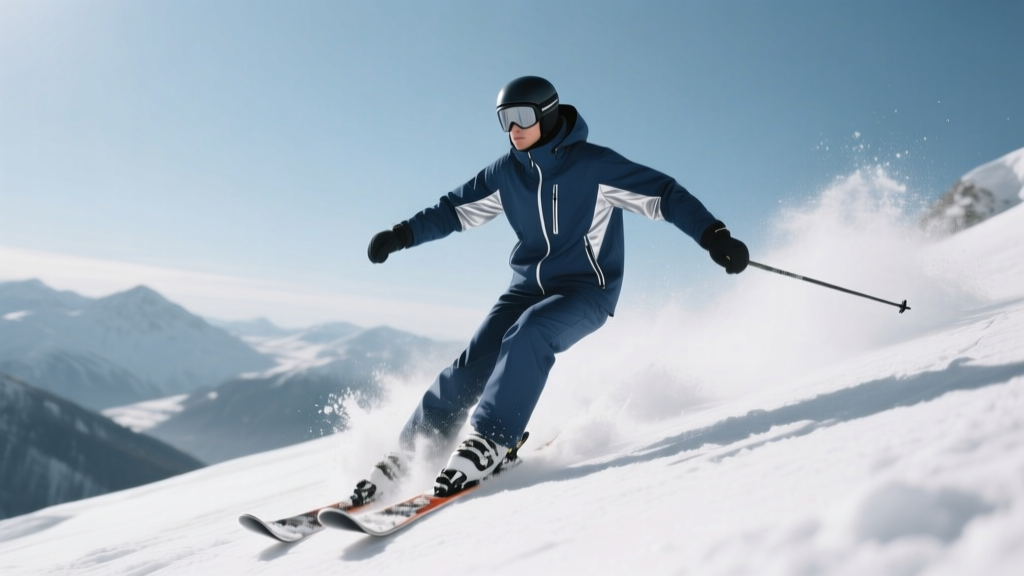
How Many Calories Do You Burn Snow Skiing?
Snow skiing typically burns between 300 to 600 calories per hour for an average adult, depending on intensity, body weight, and terrain. High-intensity downhill skiing can exceed 800 calories per hour for a 180-pound person.
Understanding Calorie Burn in Snow Skiing
Snow skiing is a full-body cardiovascular workout that engages major muscle groups, including the legs, core, and stabilizing muscles. The number of calories burned while skiing varies significantly based on multiple factors such as skill level, slope steepness, duration, and individual physiology.
Key Factors That Influence Calorie Expenditure
- Body Weight: Heavier individuals burn more calories due to increased energy demand.
- Intensity and Speed: Aggressive carving or mogul runs burn more than leisurely cruising.
- Duration and Elevation: Longer runs and higher altitudes increase exertion and calorie use.
- Skiing Style: Downhill alpine skiing burns more than cross-country or lift-assisted recreational skiing.
- Experience Level: Beginners may burn more calories due to inefficient movements and frequent stops.
Calories Burned Per Hour by Weight and Intensity
The following table provides estimated calorie expenditure for different body weights across various skiing intensities.
| Activity Type | 130 lbs (59 kg) | 155 lbs (70 kg) | 180 lbs (82 kg) | 205 lbs (93 kg) |
|---|---|---|---|---|
| Downhill Skiing (Moderate) | 360 | 430 | 500 | 570 |
| Downhill Skiing (Vigorous) | 480 | 570 | 670 | 760 |
| Cross-Country Skiing (Classic, Moderate) | 520 | 620 | 720 | 820 |
| Cross-Country Skiing (Skating, Vigorous) | 680 | 810 | 940 | 1,070 |
| Ski Touring (With Pack) | 550 | 660 | 770 | 880 |
Data shows that vigorous downhill skiing burns over 600 calories per hour for most adults, with cross-country skiing surpassing even high-intensity alpine skiing due to continuous propulsion. Ski touring, which combines uphill climbing with descent, demands significant endurance and results in high caloric output.
Comparing Skiing to Other Winter Activities
Skiing ranks among the most effective winter exercises for calorie burning. Compared to snowboarding, which burns approximately 400–500 calories per hour, skiing—especially cross-country—engages more upper body and aerobic effort.
Calorie Comparison Table: Skiing vs. Similar Activities
- Cross-Country Skiing: 600–900+ kcal/hr — highest among winter sports
- Downhill Skiing: 400–700 kcal/hr — varies with slope and style
- Snowboarding: 350–500 kcal/hr — slightly less due to reduced leg engagement
- Ice Skating: 400–600 kcal/hr — depends on speed and duration
- Sledding: 250–400 kcal/hr — intermittent activity with walking back uphill
Frequently Asked Questions About Snow Skiing Calorie Burn
How many calories does 1 hour of downhill skiing burn?
An average person burns between 400 and 600 calories per hour during moderate to vigorous downhill skiing. A 155-pound individual typically burns around 430–570 calories per hour, depending on effort and terrain.
Does beginner skiing burn more calories than expert skiing?
Yes, beginners often burn more calories due to inefficient technique, frequent stops, and constant muscle correction. While experts ski smoother, they expend energy more efficiently, potentially lowering total calorie burn for the same time and distance.
Is skiing better than running for weight loss?
Skiing can be comparable to running in calorie burn, especially cross-country skiing, which exceeds a 6 mph run for many individuals. However, skiing also builds balance, coordination, and leg strength in variable terrain, offering additional fitness benefits beyond pure calorie expenditure.
How can I maximize calorie burn while snow skiing?
To increase calorie burn, choose steeper runs, reduce lift ride frequency, incorporate mogul runs, and extend your ski day. Adding short bursts of aggressive turns or switching to cross-country skiing can further boost metabolic output.
Does cold weather increase calories burned while skiing?
Yes, cold environments require the body to work harder to maintain core temperature, slightly increasing calorie expenditure. However, this effect is modest unless you're underdressed or exposed for long periods. Layered clothing minimizes heat loss but doesn’t eliminate the added thermogenic demand.
More Articles
 How Much Is a Fishing License at Walmart? (2025 Prices)
 What Body Build Am I? Find Your Somatotype
 What Does a Triathlon Consist Of? Full Breakdown
 How Often Should You Wax Your Snowboard?
 Can Calisthenics Burn Fat? Science-Backed Answer
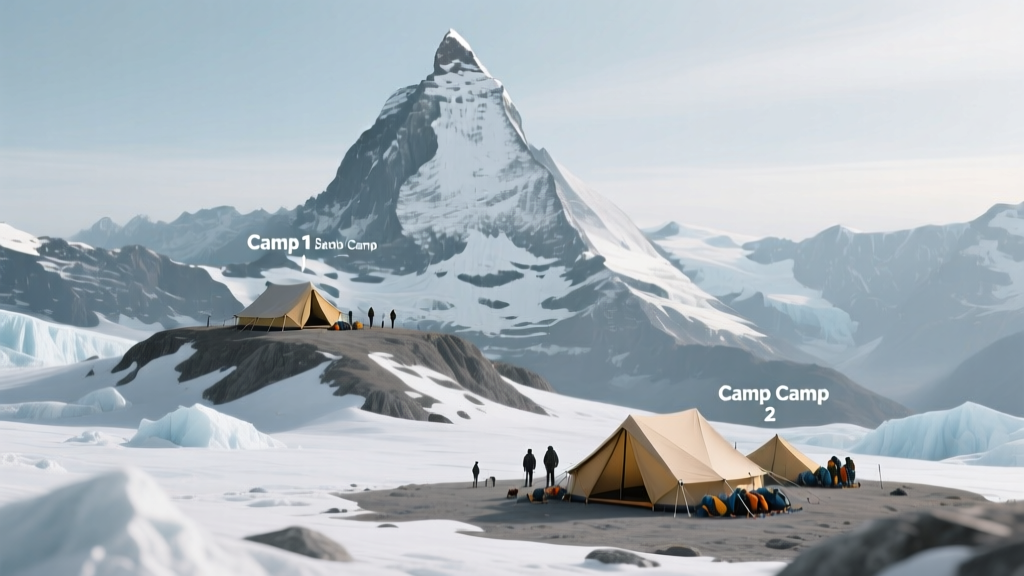 How Many Base Camps on Everest? Two Main Camps Explained
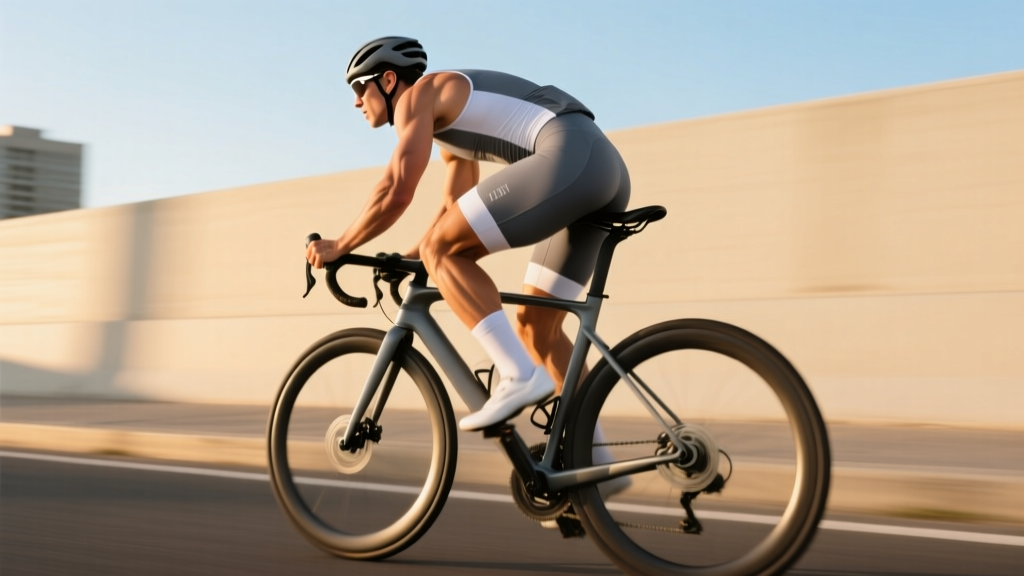 What Muscles Does Cycling Work? Key Muscle Groups Explained
 Start Buying Guide: Practical First Steps for Smart, Confident Purchases
 Ironman Distance: How Many Miles? (2026)
 When Does NHL Training Camp Start? 2025 Dates & Schedule