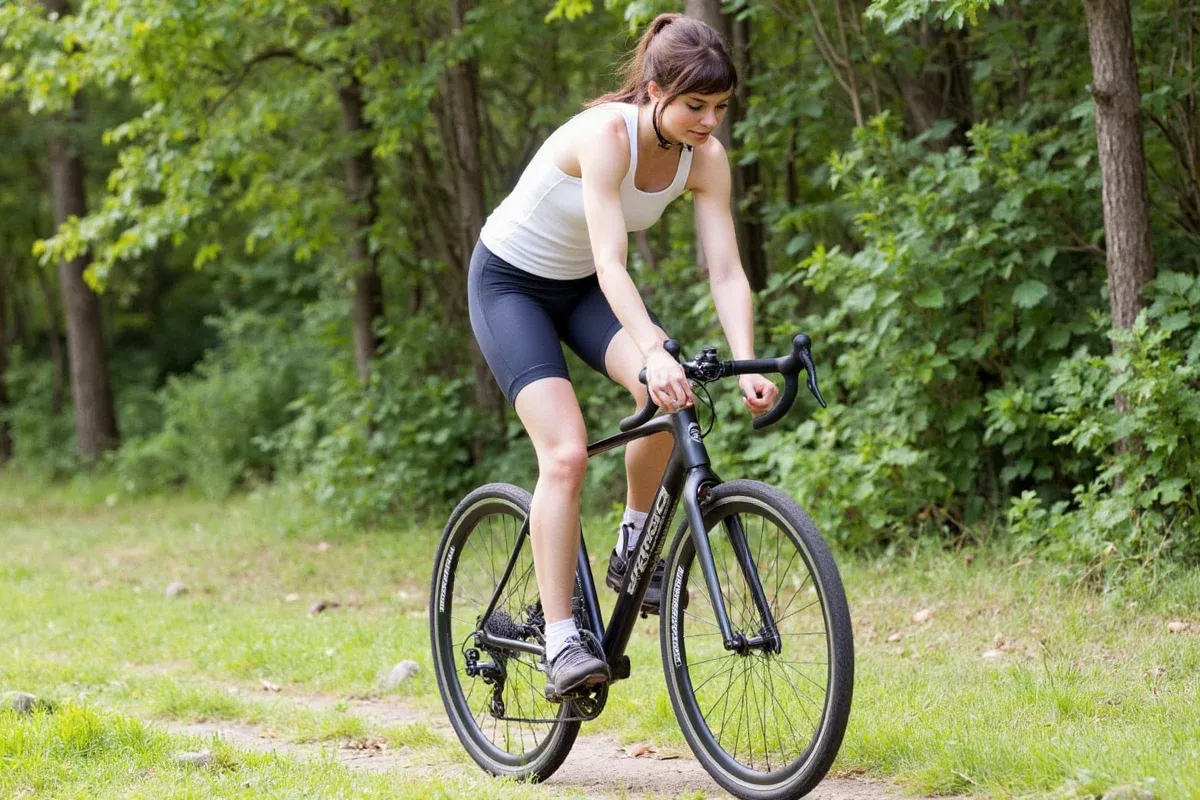
How Many Calories Does Cycling Burn? (By Weight & Speed)
Cycling typically burns between 400 to 1000 calories per hour, depending on intensity, rider weight, terrain, and speed. A 155-pound person cycling at a moderate pace of 12–14 mph can burn approximately 596 calories per hour, while vigorous cycling at 16–19 mph may burn up to 879 calories per hour.
Factors That Influence Calorie Burn in Cycling
The number of calories burned while cycling varies significantly based on several key factors. Understanding these helps tailor workouts for fitness or weight loss goals.
Rider Weight
Heavier individuals burn more calories because more energy is required to move greater mass. For example, a 130-pound person may burn 400 calories in an hour at moderate effort, while a 185-pound person could burn over 600 calories under the same conditions.
Cycling Intensity and Speed
Higher intensity directly increases calorie expenditure. Leisurely cycling (under 10 mph) burns fewer calories compared to commuting (12–14 mph) or racing (over 20 mph).
Terrain and Resistance
Hills, wind resistance, and off-road trails increase effort and caloric burn. Indoor cycling with adjustable resistance can simulate this effect effectively.
Duration and Frequency
Longer rides accumulate more total calories burned. Regular cycling also improves metabolic efficiency over time.
Calories Burned Cycling: Detailed Breakdown by Weight and Speed
The following table shows estimated calories burned per hour based on body weight and cycling speed, according to data from Harvard Health and the American Council on Exercise.
| Cycling Speed (mph) | 125 lbs | 155 lbs | 185 lbs |
|---|---|---|---|
| 10–11.9 (Light effort) | 240 | 298 | 355 |
| 12–13.9 (Moderate effort) | 300 | 372 | 444 |
| 14–15.9 (Vigorous effort) | 360 | 446 | 532 |
| 16–19 (Very fast, racing) | 420 | 520 | 620 |
| Uphill bicycling (general) | 480 | 596 | 710 |
| Mountain biking (off-road) | 540 | 670 | 800 |
The data shows a clear correlation between body weight, speed, and calorie expenditure. Mountain biking and uphill cycling consistently yield the highest caloric burn due to increased resistance and engagement of larger muscle groups. For a 155-pound cyclist, moving from moderate to vigorous effort increases calorie burn by nearly 50%.
How to Maximize Calorie Burn While Cycling
To get the most out of your ride for fat loss or endurance, consider these proven strategies:
- Incorporate interval training (HIIT): Alternating sprints with recovery periods boosts afterburn effect (EPOC), increasing total calorie expenditure.
- Ride outdoors on varied terrain: Hills and headwinds require more effort than flat, indoor routes.
- Extend ride duration gradually: Longer rides at moderate intensity can burn more total calories than short, intense sessions.
- Use a heart rate monitor: Staying in higher heart rate zones (70–85% max) correlates with higher caloric output.
- Combine cycling with strength training: Increased muscle mass raises resting metabolic rate, enhancing long-term calorie burn.
Common Questions About Calories Burned Cycling
How many calories does 30 minutes of cycling burn?
A 155-pound person cycling at a moderate pace (12–14 mph) burns approximately 298 calories in 30 minutes. At higher intensities or with greater body weight, this can exceed 400 calories.
Does slow cycling burn fat?
Yes, slow cycling primarily uses fat as fuel, especially during longer, steady-state rides. While total calorie burn is lower, it contributes to overall fat loss when combined with a healthy diet.
Is cycling better than running for burning calories?
Running generally burns more calories per minute due to higher impact and full-body engagement. However, cycling allows for longer durations with less joint stress, making it easier to sustain high total calorie expenditure over time.
Can I lose belly fat by cycling every day?
Cycling helps reduce overall body fat, including belly fat, when done consistently and paired with proper nutrition. It’s not possible to spot-reduce fat, but regular cardio like cycling supports systemic fat loss.
How accurate are cycling calorie calculators on fitness apps?
Most apps provide estimates based on average metabolic rates and may overestimate by 10–20%. Devices with heart rate integration offer more personalized and accurate readings than those relying solely on time and distance.
More Articles
 Where to Buy Ski Jackets: Best Retailers 2025
 How Long Is an Olympic Triathlon? Full Distance Explained
 Where to Ski in Colorado: Top Resorts & Tips
 Who Owns Vail Ski Resort? Corporate Ownership Explained
 What Ski Resorts Are Open in October 2025?
 How To Match Invented With Jump: A Practical Guide for Product Developers and Brand Strategists
 Where to Buy Ski Pants Near Me: Top Local Stores
 How to Start a Running Routine: Couch to 5K Guide for Absolute Beginners
 What Does Ski In, Ski Out Mean? Explained
 12 DIY Framework Ideas: Weekend Build Plans