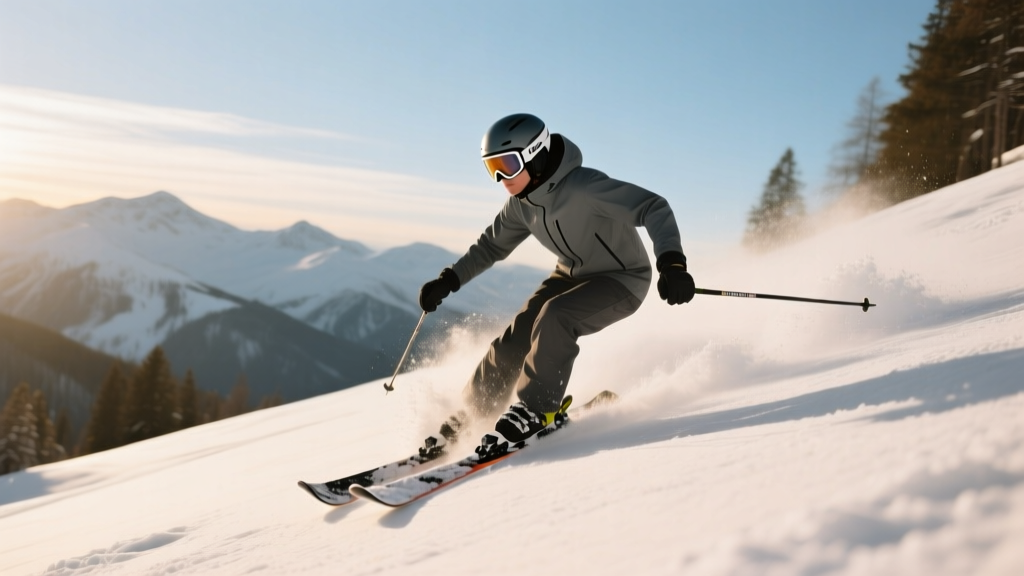
How Dangerous Is Skiing? Risk & Safety Facts
Skiing carries inherent risks, but with proper safety measures, training, and equipment, it is considered a relatively safe recreational sport for most participants.
Understanding the Risks of Skiing
Skiing is an exhilarating winter sport enjoyed by millions worldwide. However, like any high-speed outdoor activity, it comes with potential dangers. The primary risks include collisions, falls, avalanches, and exposure to extreme weather. Most injuries occur due to loss of control, poor judgment, or unfamiliarity with terrain.
- Common injury types: knee sprains, fractures, head trauma
- High-risk behaviors: skiing beyond skill level, ignoring trail signs
- Environmental hazards: icy conditions, whiteout weather, tree wells
- Equipment failure: improper binding settings, worn gear
Injury Mechanisms in Alpine Skiing
The majority of skiing injuries result from dynamic movements during turns, jumps, or unexpected stops. The anterior cruciate ligament (ACL) is particularly vulnerable during backward twisting falls.
Skiing Injury Statistics and Data Analysis
| Injury Type | Injuries per 100,000 Skier Days | Most Common Cause | Prevention Strategy |
|---|---|---|---|
| Knee Ligament Injuries | 2.5 | Twisting fall during turn | Proper binding adjustment, strength training |
| Fractures (wrist, arm, clavicle) | 1.8 | Fall while reaching out to break fall | Wrist guards, pole retention straps |
| Head Injuries (concussions) | 0.6 | Collision with object or person | Helmets, awareness of surroundings |
| Avalanche-Related Incidents | 0.03 | Backcountry travel in unstable snowpack | Beacon training, avalanche transceivers |
The data shows that knee injuries are the most frequent, affecting approximately 2.5 skiers per 100,000 visits. Head injuries are less common but more severe when they occur. Avalanche incidents are rare but disproportionately deadly, emphasizing the importance of education for off-piste skiers.
Factors That Increase Skiing Danger
Certain variables significantly influence the risk level of skiing. Recognizing these can help individuals make safer choices on the slopes.
Skill Level and Experience
Beginners are more prone to falls due to lack of balance and technique. Advanced skiers face higher speeds and complex terrain, increasing collision and avalanche risks.
Alcohol and Impairment
Consuming alcohol before or during skiing impairs coordination and judgment, drastically increasing accident likelihood.
Weather and Visibility
Whiteout conditions and black ice reduce visibility and control, making navigation hazardous even for experienced skiers.
Safety Measures to Reduce Risk
Implementing proven safety strategies greatly reduces the danger associated with skiing.
- Always wear a helmet certified for skiing
- Take lessons from certified instructors to improve technique
- Check weather and avalanche forecasts before backcountry trips
- Use properly fitted and maintained equipment
- Follow the FIS Safety Code on the mountain
Enrolling in avalanche safety courses (e.g., AIARE Level 1) is essential for off-trail skiing. Additionally, using ski brakes and correctly adjusted bindings helps prevent runaway skis after a fall.
Common Questions About Skiing Safety
How likely are you to get injured while skiing?
The injury rate averages around 2–3 injuries per 1,000 skier days, meaning serious harm is relatively uncommon, especially for those wearing helmets and staying within their ability level.
Is skiing more dangerous than snowboarding?
Studies show snowboarders have a slightly higher injury rate, mainly due to wrist and shoulder injuries, but skiers face more knee and lower leg injuries. Fatality rates are similar between the two sports.
Are ski helmets effective in preventing head injuries?
Yes. Research indicates ski helmets reduce the risk of head injury by 35–60%, particularly in collisions and falls at moderate speeds.
What age group is most at risk for skiing accidents?
Children under 12 and adults aged 18–24 experience the highest injury rates, often due to risk-taking behavior or lack of experience. Older adults (>65) have fewer incidents but longer recovery times.
Can beginners safely ski without lessons?
While possible, skiing without instruction increases injury risk significantly. Lessons teach balance, stopping, and emergency maneuvers critical for safe slope navigation.
More Articles
 Did Yoga Help You Lose Weight? Real Results & Science
 How Fast Does a Skydiver Fall? Average Speed Explained
 How to Improve Your Vertical Jump: Science-Based Training Program
 What Does 'Surfs Up' Mean? Explained
 What Muscles Does Cycling Work? Key Muscle Groups Explained
 A and B Cycle Training Explained
 Can Calisthenics Burn Fat? Science-Backed Answer
 Basketball Rebounding Techniques: 10 Drills and Tips to Dominate the Boards
 What Ski Resorts Are Open in October 2025?
 Maximum Weight for Skydiving: Limits & Requirements