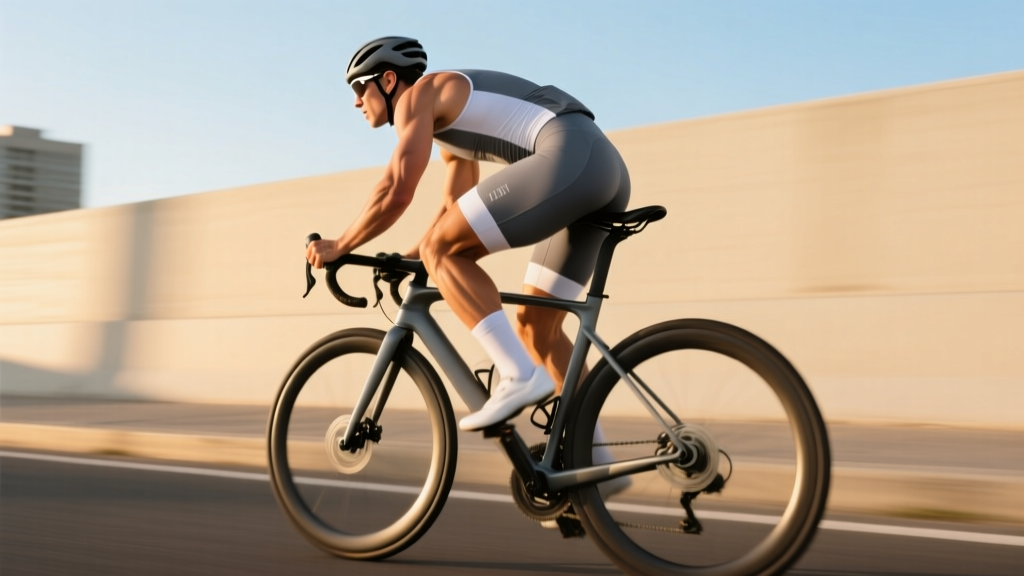
What Muscles Does Cycling Work? Key Muscle Groups Explained
Cycling is a highly effective full-body workout that primarily engages the lower body muscles, including the quadriceps, hamstrings, glutes, and calves, while also activating core stabilizers and upper body muscles to a lesser extent.
Primary Muscles Worked During Cycling
Cycling targets several major muscle groups in the lower body. These muscles work together in a coordinated motion during each pedal stroke, making cycling an efficient cardiovascular and strength-building exercise.
Key Lower Body Muscles Activated
- Quadriceps (Front Thighs): These are the primary drivers during the downstroke phase of pedaling, especially when climbing hills or accelerating.
- Hamstrings (Back Thighs): Engaged during the upstroke, helping to pull the pedal backward and upward.
- Gluteus Maximus (Buttocks): Crucial for generating power, particularly during standing climbs or high-resistance efforts.
- Gastrocnemius and Soleus (Calves): Assist in ankle stabilization and contribute to the final push of the pedal stroke.
- Iliotibial (IT) Band and Hip Flexors: Stabilize the hips and assist in lifting the leg during the recovery phase.
Secondary and Stabilizing Muscles Involved
While cycling emphasizes the legs, other muscle groups play supportive roles in maintaining balance, posture, and efficiency on the bike.
Core and Upper Body Engagement
- Abdominals and Lower Back: Maintain torso stability, especially during aggressive riding or off-road conditions.
- Erector Spinae: Supports spinal alignment and reduces fatigue over long distances.
- Shoulders and Arms: Used minimally but essential for handling the bike, absorbing shocks, and maintaining control.
- Forearms and Hands: Engaged when gripping handlebars, particularly on rough terrain or extended rides.
Muscle Activation by Cycling Type
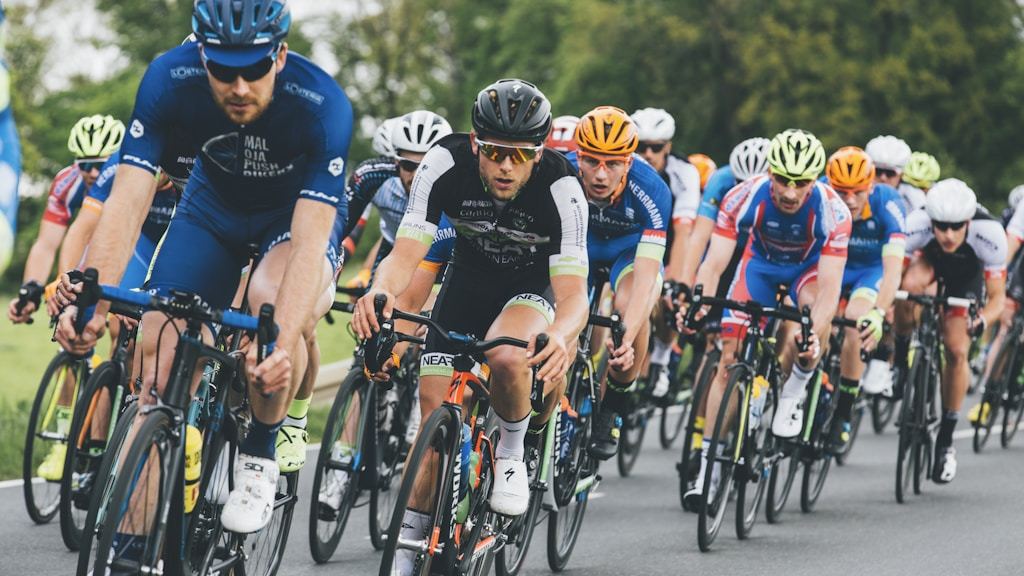
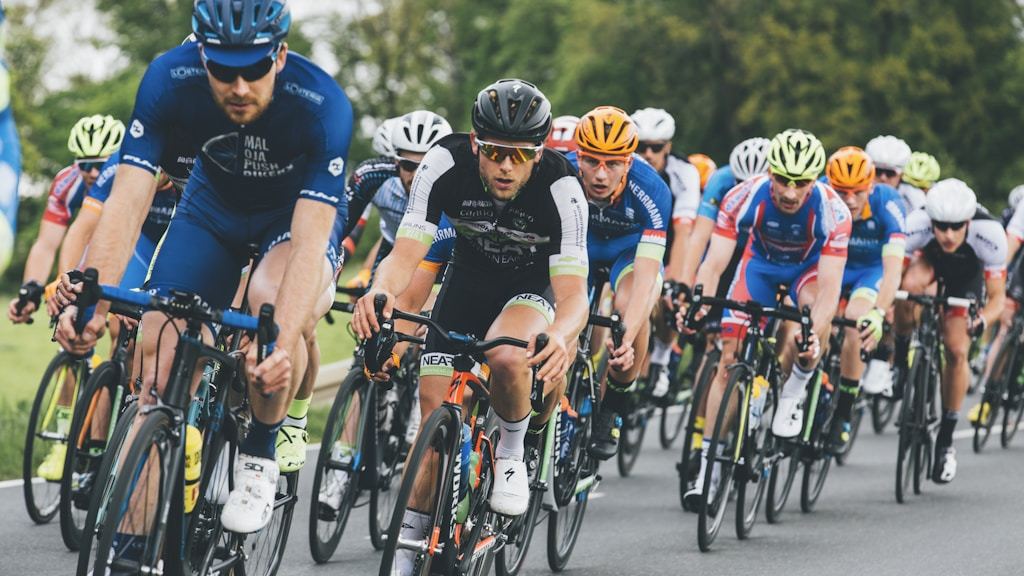
Different forms of cycling—road, mountain, indoor spinning, and commuting—vary in intensity and muscle recruitment patterns.
| Cycling Type | Quads (% Max Activation) | Hamstrings (% Max) | Glutes (% Max) | Calves (% Max) | Core Engagement Level |
|---|---|---|---|---|---|
| Road Cycling | 85% | 60% | 70% | 55% | Moderate |
| Mountain Biking | 75% | 65% | 75% | 60% | High |
| Indoor Spinning | 90% | 70% | 80% | 65% | Moderate-High |
| Commuting (Urban) | 60% | 45% | 50% | 40% | Low-Moderate |
The data shows that indoor spinning elicits the highest activation in major leg muscles due to controlled resistance and cadence. Mountain biking demands greater core engagement due to terrain instability, while urban commuting involves lower overall muscle effort due to frequent stops and lower intensity.
How Pedal Stroke Phases Influence Muscle Use
A complete pedal revolution consists of four phases, each recruiting different muscles:
- Downstroke (0°–90°): Quadriceps and glutes generate most power.
- Power Pull (90°–180°): Hamstrings and glutes continue driving the pedal down and back.
- Upstroke (180°–270°): Hamstrings and hip flexors lift the leg, improving efficiency.
- Recovery (270°–360°): Tibialis anterior (shin) lifts the foot, reducing dead spots.
Optimizing each phase through technique or clipless pedals enhances muscle coordination and performance.
Benefits of Cycling for Muscle Development
Regular cycling builds muscular endurance, improves joint mobility, and supports fat loss, leading to leaner, stronger legs. Unlike weight training, cycling provides low-impact resistance ideal for long-term joint health.
- Promotes type I (slow-twitch) muscle fiber development, enhancing stamina.
- Improves neuromuscular coordination between leg muscles.
- Can lead to hypertrophy in glutes and quads with high-resistance training.
- Supports functional strength applicable to daily activities.
Frequently Asked Questions About What Muscles Cycling Works
Does cycling build leg muscle?
Yes, cycling effectively builds leg muscle, particularly in the quadriceps, hamstrings, and glutes, especially when performed at high resistance or on hilly terrain. While it primarily develops muscular endurance, consistent training with progressive overload can lead to noticeable muscle growth.
Does cycling work your abs?
Yes, cycling engages the abdominal muscles and lower back to stabilize the torso. Core activation increases during standing climbs, sprints, or off-road riding, making it a functional core workout even though it's not isolated like crunches.
Can cycling help lose belly fat?
Yes, cycling is an excellent aerobic exercise that burns calories and contributes to overall fat loss, including belly fat. Combined with proper nutrition, regular cycling helps reduce visceral and subcutaneous abdominal fat over time.
Does cycling tone your glutes?
Absolutely. Cycling activates the gluteus maximus, especially during uphill rides or when standing on the pedals. Over time, this leads to improved glute strength and toning, giving a firmer appearance to the buttocks.
Is cycling better than running for muscle preservation?
Yes, cycling is generally better than running for preserving muscle mass because it’s low-impact and places less stress on joints. Running may lead to catabolism during prolonged sessions, whereas cycling allows sustained effort without significant muscle breakdown.
More Articles
 Odds of Dying While Skydiving: Real Risks & Stats
 How Many Calories Will I Burn Cycling? (By Weight & Speed)
 A Basin Ski Lift Tickets: 2025 Pricing & How to Buy
 Long Jump Approach Run: Building Speed and Accuracy in 10 Steps
 When Was the Skateboard Invented? History & Evolution
 When Is Ski Season in Japan? Dates & Tips
 How Many Calories Burned Lifting Weights?
 Next On A Budget: How to Watch Premium Streaming Without Paying Premium Prices
 How Many People Die a Year from Skydiving? Stats & Safety
 How Much Does It Cost to Become a Pilates Instructor?