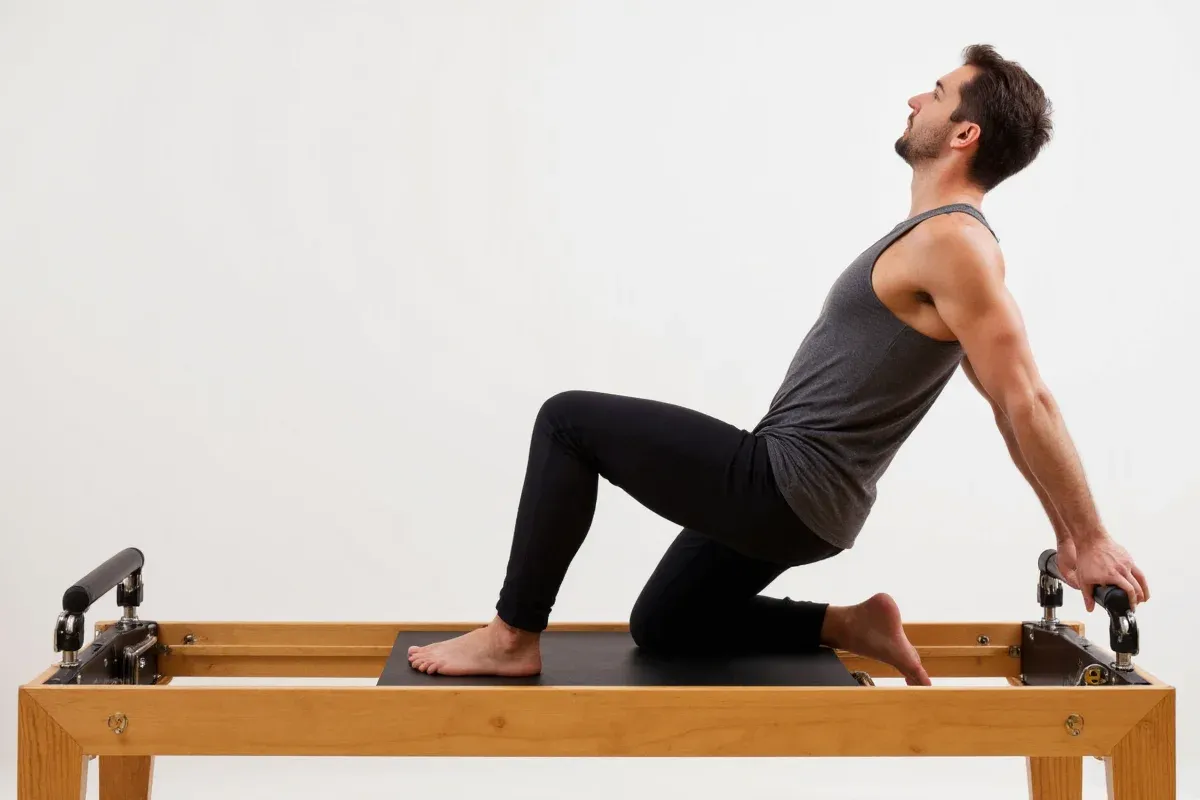
Can Men Do Pilates? Yes – Here's Why It's Beneficial
Yes, men can absolutely do Pilates—and benefit significantly from it. Often misunderstood as a workout for women, Pilates is a highly effective form of exercise for men of all ages and fitness levels. It improves core strength, flexibility, posture, and joint stability, making it ideal for athletes, office workers, and anyone seeking balanced physical conditioning. This article explores how men benefit from Pilates, debunks common myths, and provides data-backed insights into its growing popularity among male practitioners.
Why Men Should Embrace Pilates
Pilates is not gender-specific. Developed by Joseph Pilates in the early 20th century, it was originally designed with men in mind—many of his early students were boxers, soldiers, and dancers needing rehabilitation and performance enhancement. Today, more men are recognizing Pilates as a vital component of a well-rounded fitness routine.
Common Misconceptions About Men and Pilates
- Myth: Pilates is only for women or flexible people.
- Reality: Pilates builds functional strength and mobility that benefits everyone, regardless of gender or starting point.
- Myth: It doesn't build muscle or improve athletic performance.
- Reality: Pilates enhances neuromuscular control, core stability, and movement efficiency—key for sports and injury prevention.
- Myth: It's too slow or not challenging enough.
- Reality: Advanced Pilates routines can be physically demanding and integrate resistance, balance, and coordination challenges.
Physical and Mental Benefits for Men
Men often focus on strength training or cardio but overlook mobility and postural health. Pilates fills this gap by promoting muscular balance, reducing asymmetries, and improving body awareness.
Key Physical Benefits
- Improved core strength and spinal alignment
- Enhanced joint stability and injury resilience
- Better posture, especially beneficial for desk workers
- Increased flexibility without sacrificing power
- Support for recovery from back pain or sports injuries
Mental and Lifestyle Advantages
- Stress reduction through controlled breathing and mindful movement
- Greater focus and mental clarity
- Improved sleep quality due to reduced muscle tension
- Support for long-term joint and spine health
Pilates for Athletes and Active Men
Professional athletes across sports—from NFL players to NBA stars and tennis champions—use Pilates to maintain peak performance. It complements high-impact training by correcting imbalances and enhancing movement precision.
| Demographic Group | % Who Practice Pilates Regularly | Average Sessions per Week | Primary Motivation |
|---|---|---|---|
| Men aged 18–30 | 12% | 1.8 | Injury prevention, fitness enhancement |
| Men aged 31–50 | 18% | 2.1 | Back pain relief, stress management |
| Male athletes (pro/semi-pro) | 43% | 3.0 | Performance optimization |
| Men with chronic lower back pain | 29% | 2.4 | Pain reduction, rehabilitation |
| Office workers (sedentary lifestyle) | 16% | 1.7 | Posture improvement, energy boost |
The data shows that Pilates participation among men increases with age and specific health or performance goals. Notably, nearly half of professional male athletes incorporate Pilates, highlighting its value in elite training programs. The higher session frequency among athletes and those with back pain underscores its effectiveness for targeted outcomes.
Types of Pilates Suitable for Men
There are several formats of Pilates, allowing men to choose based on their goals and preferences.
Mat Pilates
Performed on the floor using bodyweight resistance. Ideal for beginners and those looking for a portable, low-equipment option. Builds foundational strength and control.
Reformer Pilates
Uses a specialized machine with springs and resistance. Offers progressive overload and dynamic movements, appealing to strength-focused men. Provides measurable progress through resistance adjustments.
Clinical or Rehabilitative Pilates
Taught by physiotherapists or certified rehab specialists. Used for recovering from injuries, particularly back, shoulder, or knee issues. Tailored to individual biomechanics.
Group Classes vs. Private Sessions
- Group classes: Social, cost-effective, structured environment.
- Private sessions: Personalized attention, faster progression, ideal for addressing specific concerns.
How to Get Started with Pilates as a Man
Starting Pilates is easier than many assume. Here’s a practical guide:
- Choose the right class: Look for "Foundations," "Beginner Mat," or "Men's Pilates" if available.
- Wear comfortable clothing: Fitted athletic wear allows instructors to assess alignment.
- Communicate your goals: Whether it's back pain relief or athletic performance, let your instructor know.
- Be patient: Progress in control and precision takes time—consistency is key.
- Combine with other training: Pilates works best when integrated with strength, cardio, or sport-specific routines.
Frequently Asked Questions About Men and Pilates
Can Pilates help men build muscle?
While Pilates isn't designed for maximal hypertrophy like bodybuilding, it effectively builds lean, functional muscle—especially in the core, glutes, and stabilizing muscles. When combined with resistance-based reformer workouts, men can achieve noticeable strength gains and improved muscle tone.
Is Pilates good for men over 40?
Absolutely. As men age, they often experience decreased flexibility, joint stiffness, and postural decline. Pilates helps counteract these changes by improving mobility, balance, and spinal health. It's particularly beneficial for preventing age-related back pain and maintaining independence and vitality.
Do professional male athletes do Pilates?
Yes, many elite male athletes use Pilates regularly. NFL players like Tom Brady, NBA stars such as LeBron James, and tennis champion Rafael Nadal have publicly credited Pilates for enhancing their durability, recovery, and movement efficiency on the field or court.
Can Pilates help with lower back pain in men?
Yes, numerous studies show Pilates reduces chronic lower back pain by strengthening deep core muscles, improving posture, and increasing lumbar stability. It's recommended by physical therapists as part of conservative treatment plans for disc issues and muscular imbalances.
How often should men do Pilates?
For general health, 2–3 sessions per week are ideal. Beginners can start with 1–2 weekly sessions and gradually increase. Athletes or those in rehabilitation may benefit from 3–5 sessions, depending on intensity and goals.
More Articles
 Sports Strategy: Tactics That Work in 2026
 Odds of Dying While Skydiving: Real Risks & Stats
 Who Invented Skiing? Origins and Key Innovators
 How Many Calories Do You Burn in Hot Yoga?
 What Does 'Surfs Up' Mean? Explained
 When Did Snowboarding Become Popular? Key Milestones
 A Surfing Life by William Finnegan: Key Insights
 Full vs Size Mattress: Dimensions Explained
 Get Strong & Shredded: My Proven Fitness Journey
 Boost Acceleration: 3 Med Ball Throws