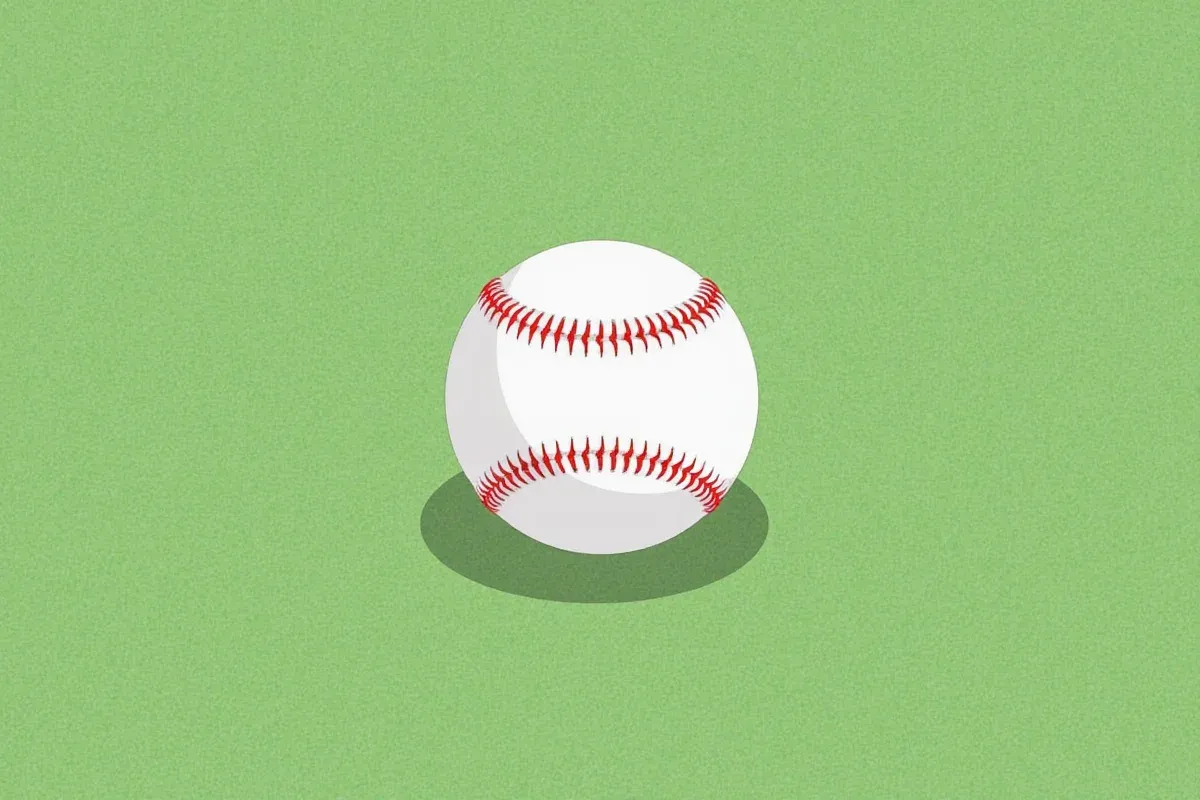
How Big Is a Baseball? Official Size & Weight Explained
A standard baseball has a circumference of 9 to 9.25 inches (22.9 to 23.5 cm) and a diameter of approximately 2.86 to 2.94 inches (7.3 to 7.5 cm), with a weight between 5 and 5.25 ounces (142 to 149 grams).
Understanding the Size of a Baseball
The size of a baseball is strictly regulated by official sports organizations such as Major League Baseball (MLB) and the National Federation of State High School Associations (NFHS). These standards ensure consistency in gameplay, equipment design, and player safety across all levels of competition.
Key Dimensions of a Regulation Baseball
- Circumference: 9 to 9.25 inches (22.9–23.5 cm)
- Diameter: Approximately 2.86–2.94 inches (7.3–7.5 cm)
- Weight: 5 to 5.25 ounces (142–149 grams)
- Core Material: Cork or rubber center surrounded by layers of yarn and leather
Why Standardization Matters in Baseball
Consistent baseball dimensions are critical for fair play, pitcher control, batting performance, and equipment manufacturing. Variations outside the allowed range could affect aerodynamics, grip, and hitting power.
Impact on Game Performance
- Altered drag and lift forces if size deviates
- Inconsistent swing timing due to weight differences
- Glove fit and fielding reliability affected by ball size
- Umpire judgment challenges during close plays
| Parameter | Minimum | Maximum | Unit | Governing Body |
|---|---|---|---|---|
| Circumference | 9.00 | 9.25 | inches | MLB, NFHS |
| Diameter | 2.86 | 2.94 | inches | Calculated from circumference |
| Weight | 5.00 | 5.25 | ounces | MLB, NFHS |
| Stitch Count | 108 | 108 | stitches | MLB |
| Leather Cover Area | — | ~3.5 | square inches per panel | NCAA Equipment Report |
The data confirms tight tolerances in baseball construction, especially in circumference and weight. The consistent stitch count (108 double stitches) ensures uniform seam height, which influences pitch movement like curveballs and sliders. Small variations within regulation limits can still impact game dynamics at elite levels.
Comparison Across Age Groups and Leagues
While professional and high school baseballs adhere closely to MLB standards, youth leagues often use slightly smaller or softer balls to accommodate developing players.
Youth vs. Adult Baseball Sizes
- Tee-ball: 8.5–9 inches, softer core
- Pitching Machine Leagues: 9-inch firm balls
- Little League (Majors): Full regulation size (same as MLB)
- Softball Comparison: Larger circumference (~12 inches) but lighter density
Frequently Asked Questions About Baseball Size
How big is a standard baseball in inches?
A standard baseball has a circumference of 9 to 9.25 inches and a diameter of about 2.86 to 2.94 inches.
What is the official weight of a baseball?
The official weight ranges from 5 to 5.25 ounces (142 to 149 grams), as defined by Major League Baseball and NFHS regulations.
Are all baseballs the same size across leagues?
MLB, NCAA, and NFHS use nearly identical specifications. Youth leagues may use slightly smaller or softer versions for safety and skill development.
How many stitches are on a baseball?
A regulation baseball has 108 double-stitched seams, totaling 216 individual stitches, hand-sewn using waxed red thread.
Does baseball size affect pitching performance?
Yes. Even minor deviations in size, weight, or seam height can alter grip, spin rate, and aerodynamics, significantly impacting pitch effectiveness at professional levels.
More Articles
 Season for Evidence: Temporal Patterns in Sports Law
 How Long Does a Game of Bowling Take?
 When Is the Baseball Season Over? MLB End Dates Explained
 How Much Does a Boxer Weigh? Weight Classes & Facts
 Dates vs TRUE: A Rigorous, Evidence-Based Comparison of Two Leading Natural Energy Bars
 When Does LSU Baseball Play Today? Game Time & Schedule
 Who Made Badminton? Origins & History Explained
 What Channel Is the PGA Golf Tournament On Today?
 What Does TKO Mean in Boxing? Explained
 How Was Baseball Invented? Origins and Myths Explained