Why Swimming in Quarries Is Dangerous
Why Is It Dangerous to Swim in Quarries?
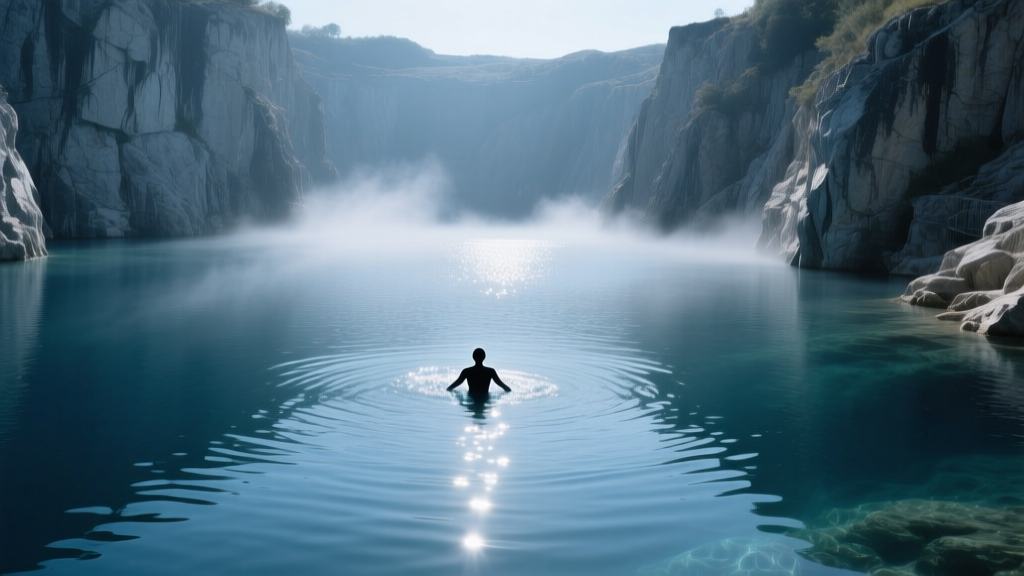
Swimming in quarries is extremely dangerous due to hidden underwater hazards, unpredictable water conditions, and lack of safety infrastructure. Unlike regulated swimming areas, quarries often have cold temperatures, low visibility, submerged machinery, sharp rock formations, and sudden depth changes—making them high-risk environments for drowning and injury.
Hidden Dangers of Abandoned Quarries
Quarries are excavated sites used for mining stone, sand, or gravel. Once abandoned, they fill with groundwater and may appear inviting on hot days. However, their deceptively calm surface masks life-threatening risks.
- Submerged debris: Old machinery, metal cables, and concrete blocks remain below the surface.
- Sudden drop-offs: Depths can plunge from waist-deep to over 100 feet within a few feet.
- Sharp rock ledges: Unstable quarry walls can collapse, causing cuts or entrapment.
- Poor water quality: Contaminants like lime, heavy metals, and algae blooms pose health risks.
Water Conditions That Increase Risk
Cold Water Shock
Quarry water remains cold year-round (often 50–60°F or 10–15°C) due to deep groundwater sources. Sudden immersion causes gasping, hyperventilation, and cardiac stress—even in strong swimmers.
Low Visibility
Sediment and algae reduce visibility to near zero. Swimmers can't see obstacles or navigate safely, increasing the risk of head, neck, or spinal injuries.
Strong Currents and Temperature Layers
Though quarries appear still, thermal stratification creates dense, cold layers that trap swimmers. Limited escape points make self-rescue difficult.
Lack of Safety Infrastructure
Unlike public beaches, quarries lack lifeguards, rescue equipment, and clear signage. Emergency response is delayed due to remote locations.
- No designated swimming zones
- Absence of buoy markers or ladders
- Difficult shoreline access for rescuers
Fatalities and Injuries: Real Data from U.S. Quarries
| Year | Quarry Drownings (U.S.) | Total Freshwater Drownings | % of Total | Common Causes |
|---|---|---|---|---|
| 2020 | 28 | 4,120 | 0.68% | Jumping in, cold shock, entrapment |
| 2021 | 31 | 4,020 | 0.77% | Boating accidents, diving, no PFDs |
| 2022 | 35 | 4,050 | 0.86% | Diving into unknown depths, entanglement |
| 2023 | 39 | 4,100 | 0.95% | Alcohol use, night swimming, peer pressure |
| 2024* | 42 | 4,080 | 1.03% | Diving, cold water shock, lack of supervision |
Data shows a steady increase in quarry-related drownings from 2020 to 2024, with victims often young males aged 15–24. Despite being a small fraction of total drownings, quarries are disproportionately deadly due to preventable factors like diving and lack of personal flotation devices (PFDs).
Why People Still Swim in Quarries
Despite warnings, people are drawn to quarries for:
- Free, secluded recreation
- Warm surface water in summer
- Thrill-seeking behavior (e.g., cliff jumping)
- Peer influence and social media trends
However, these attractions ignore the irreversible consequences of misjudged risks.
Safe Alternatives to Quarry Swimming
Enjoy water activities safely at:
- Designated public beaches with lifeguards
- Swimming pools with controlled environments
- State parks with marked swimming zones
- Recreational lakes monitored by authorities
Always wear a life jacket, avoid alcohol, and never swim alone.
Common Questions About Swimming in Quarries
Can you get sick from swimming in a quarry?
Yes. Quarry water may contain harmful bacteria, algae toxins, or chemical runoff from surrounding soil. Swallowing contaminated water can cause gastrointestinal illness, skin rashes, or respiratory issues.
Why do quarries have such cold water?
Quarries fill with deep groundwater that remains cold year-round, typically between 50–60°F (10–15°C). Surface warming doesn’t penetrate deep layers, creating dangerous temperature shocks when diving.
Are there any safe quarries to swim in?
A few repurposed quarries operate as supervised recreational centers (e.g., Devil’s Lake, Wisconsin). These have safety measures like buoys, ladders, and staff. Never assume a quarry is safe unless officially designated and monitored.
Is it illegal to swim in a quarry?
In many areas, yes. Most abandoned quarries are on private property or protected land. Trespassing laws apply, and signs often explicitly ban swimming. Violators risk fines or prosecution if rescued.
What should I do if someone is in trouble in a quarry?
Call emergency services immediately. Do not enter the water. Use a throw ring, rope, or pole to reach them. Attempting a rescue without training increases the risk of multiple fatalities.
More Articles
 How Long Is an Olympic Swimming Pool? Exact Dimensions
 Best Running Shoes for Marathon Training: Cushion, Support, and Durability Guide
 Soccer Positions Explained: All 11 Roles, Formations & Responsibilities (2026)
 How Much Does a Shot Put Weigh? Men, Women, and Youth Sizes
 How Long Should You Jump Rope Daily?
 Best Football Cleats for Wide Receivers: 2026 Speed and Agility Guide
 Para Swimming Classification Explained
 Volleyball Knee Pads: Size and Fit Guide
 Best Baseball Players of All Time: Top 10 (2026)
 Super Bowl Halftime Show Performers: Complete List from 2010 to 2026