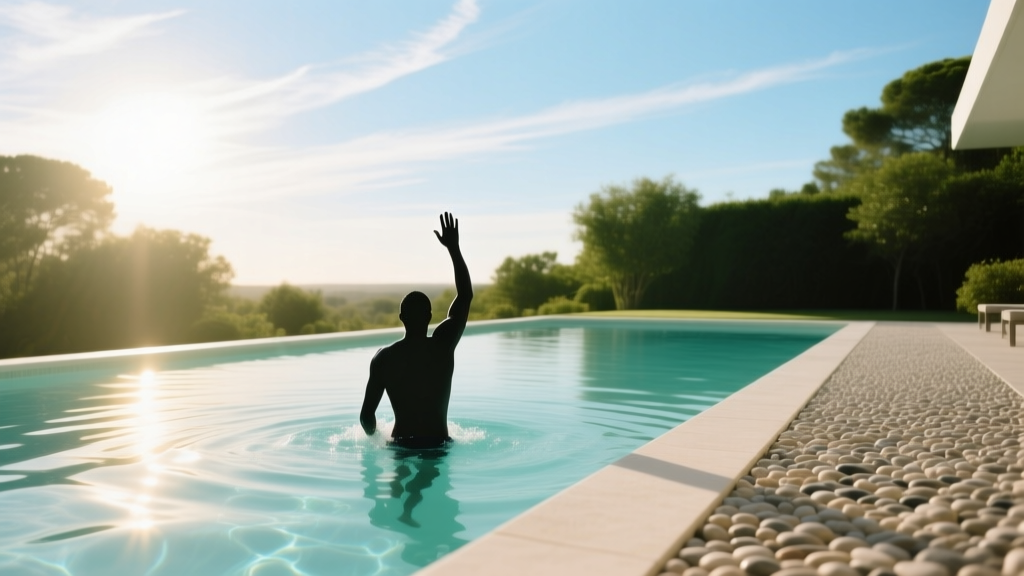
When Is It Warm Enough to Swim Outside Safely?
For most swimmers, water temperatures of at least 70°F (21°C) are considered warm enough for comfortable outdoor swimming. However, individual tolerance varies, with competitive swimmers often tolerating cooler waters down to 65°F (18°C), while recreational and younger swimmers may prefer temperatures above 75°F (24°C).
Understanding Safe and Comfortable Outdoor Swimming Temperatures
The ideal water temperature for outdoor swimming depends on age, activity level, and experience. While air temperature plays a role in perceived comfort, it's the water temperature that primarily determines safety and enjoyment.
Factors Influencing Perceived Warmth
- Water temperature: The primary factor affecting body heat retention.
- Air temperature: Affects how cold or warm you feel when exiting the water.
- Wind speed: Increases chill factor, especially when wet.
- Sun exposure: Direct sunlight can make cooler water feel more comfortable.
- Swimmer age and physiology: Children and older adults lose heat faster and may need warmer water.
- Duration of swim: Longer swims require warmer water to prevent hypothermia.
Recommended Water Temperatures by Swimmer Type
Different groups have varying comfort and safety thresholds. Competitive athletes train in cooler conditions, while casual swimmers prioritize comfort.
| Swimmer Category | Minimum Recommended Temp (°F) | Minimum Recommended Temp (°C) | Optimal Range (°F) | Optimal Range (°C) |
|---|---|---|---|---|
| Recreational Adults | 70 | 21 | 75–82 | 24–28 |
| Children (5–12 years) | 75 | 24 | 78–84 | 26–29 |
| Competitive Swimmers | 65 | 18 | 70–78 | 21–26 |
| Masters Swimmers (40+) | 70 | 21 | 75–80 | 24–27 |
| Open Water Events (FINA) | 61 | 16 | 64–78 | 18–26 |
The data shows that organized events permit swimming at lower temperatures (down to 61°F), but these are for trained athletes wearing wetsuits. Recreational swimmers, especially children, need significantly warmer water for safe and enjoyable experiences. The CDC recommends pool temperatures of 78–86°F for younger swimmers, aligning with the higher end of the table.
Health Risks of Swimming in Cold Water
Swimming in water below recommended levels increases the risk of several health issues:
- Immersion shock: Sudden entry into cold water (<65°F) can trigger gasping and hyperventilation, increasing drowning risk.
- Hypothermia: Prolonged exposure in water below 70°F can lead to dangerous drops in core body temperature.
- Reduced muscle control: Cold water impairs coordination and strength, making swimming more difficult.
- Cardiac stress: Cold immersion can cause rapid heart rate and blood pressure changes, especially in those with pre-existing conditions.
Seasonal Guidelines for Outdoor Swimming in 2025
In most temperate climates, outdoor swimming becomes feasible between late May and early September. Here's a general seasonal outlook based on average U.S. lake and pool temperatures:
- April–May: Water temps typically 55–68°F – too cold for comfort; risk of cold shock.
- June–July: Temps rise to 70–78°F – ideal for most recreational swimmers.
- August: Peak warmth, often 75–82°F in pools and shallow lakes.
- September: Gradual cooling; still suitable early in the month.
Use a floating thermometer or check local park service reports for real-time water temperature updates before swimming.
Frequently Asked Questions About Outdoor Swimming Temperatures
Is 68°F water too cold to swim in?
Yes, 68°F (20°C) is generally too cold for comfortable swimming, especially for children or extended periods. While experienced swimmers may tolerate it briefly, there's an increased risk of muscle fatigue and cold shock. The minimum recommended temperature for recreational swimming is 70°F.
Can you swim outside in 70°F weather?
Outdoor air temperature alone doesn't determine swim readiness. If the air is 70°F but the water is colder (e.g., 65°F), swimming may still be uncomfortable or unsafe. Always check water temperature, not just air temperature, before entering.
What is the safest water temperature for kids to swim outdoors?
The safest range for children aged 5–12 is between 78°F and 84°F (26–29°C). Cooler water causes children to lose body heat up to five times faster than adults, increasing hypothermia risk. Always supervise young swimmers and limit time in water below 75°F.
Do wetsuits allow swimming in colder water?
Yes, wetsuits provide thermal insulation, enabling safe swimming in water as cold as 60°F (15.5°C). They trap a thin layer of water between the suit and skin, which the body warms. For open water events in cool conditions, wetsuits are often required or permitted below 70°F.
How long does it take for outdoor pools to warm up in spring?
Unheated outdoor pools typically take 4–6 weeks to reach 70°F after winter, depending on climate and sunlight exposure. In sunny regions like Florida or Southern California, pools may be swim-ready by early April. In northern states, mid-May to June is more common without heating.
More Articles
 When Do Ice Skating Rinks Close? Hours & Seasons Explained
 How Much Does a Formula 1 Car Cost? (2025 Data)
 How Long to Jump Rope for Best Results
 Best Base Stats: How Brands Measure Performance
 How Many Yards in a Mile Swimming? Exact Numbers
 Where Can I Buy a Go Kart Near Me? Top Local Options
 Which Behavior Is Task-Oriented Style Linked To?
 Why Do Water Polo Players Wear Caps?
 Swimming Strokes Guide: Freestyle, Backstroke, Breaststroke, and Butterfly
 Where to Buy Swim Shorts: Best Online & In-Store Options