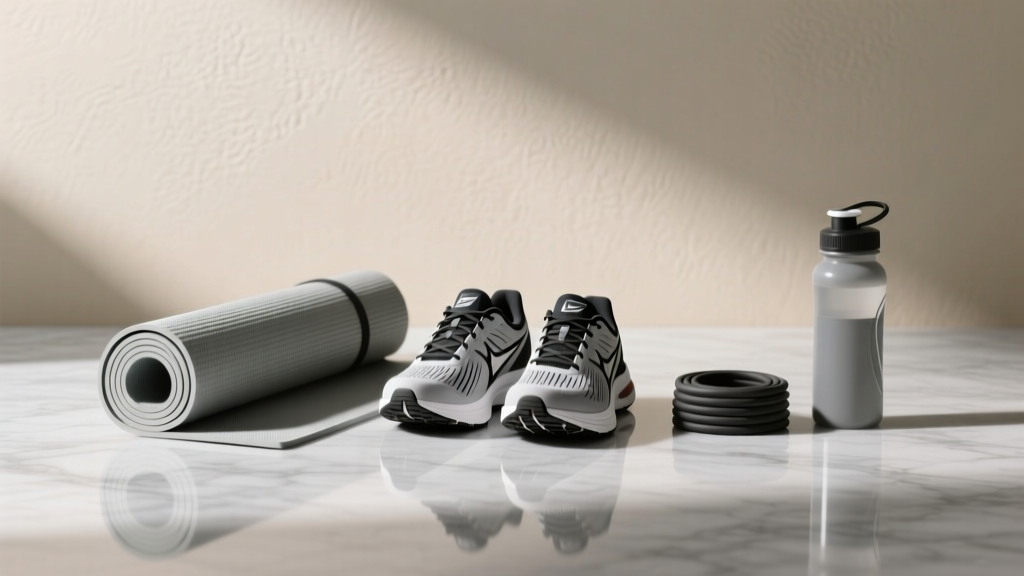
Sports Equipment Maintenance: How to Clean and Store Your Gear for Longevity
Why Equipment Maintenance Matters
Quality sports equipment represents a significant investment, and proper maintenance can extend its usable life by 50 to 200 percent. A well-maintained basketball can last 5 years instead of 2, a tennis racket can perform consistently for 3-4 seasons instead of one, and a pair of quality cleats can survive multiple seasons with proper care.
Beyond saving money, maintaining your equipment ensures consistent performance and reduces injury risk. Worn-out grip on a tennis racket can cause the racket to slip during play, degraded cushioning in running shoes increases impact on your joints, and a cracked baseball bat can shatter dangerously during a swing. Regular inspection and maintenance catches these issues before they become problems.
This guide covers maintenance routines for the most common sports equipment. Each section includes cleaning procedures, storage recommendations, inspection checklists, and signs that indicate it is time for replacement. Following these guidelines will keep your gear performing at its best and save you hundreds of dollars over time.
Basketball Care
Indoor basketballs (leather or composite) require different care than outdoor rubber balls. Leather balls should be wiped with a damp cloth after each use to remove sweat and dirt, then dried with a soft towel. Never submerge a leather ball in water, as this can damage the surface and affect grip. Composite balls are more durable and can tolerate a mild soap solution for deeper cleaning.
Store basketballs inflated to the recommended pressure (usually 7.5-8.5 PSI, printed near the valve). Underinflated balls develop flat spots and lose their bounce characteristics, while overinflated balls stress the seams and can burst. Check pressure monthly with a ball pump gauge. Store in a cool, dry place away from direct sunlight, which degrades the surface material.
Inspect your basketball regularly for seam separation, surface peeling, and loss of grip texture. If the ball feels slippery even when clean, or if you can see the inner bladder through worn spots, it is time for a replacement. A quality indoor basketball should last 2-5 years with proper care, while outdoor rubber balls typically last 1-3 years.
Tennis and Badminton Racket Care
After each playing session, wipe down your racket frame and strings with a dry cloth to remove sweat, oils, and dirt. Sweat is acidic and can corrode the frame material over time, particularly on aluminum rackets. For graphite rackets, this is less of a concern, but keeping the frame clean still preserves the finish and grip.
Store rackets in a padded cover or bag to protect them from impact damage and temperature extremes. Never leave rackets in a hot car, as extreme heat can loosen string tension and warp the frame. Similarly, avoid storing rackets in damp conditions, which can promote corrosion on metal components and mildew on grip material.
Replace your grip when it becomes smooth, discolored, or starts to crumble. A worn grip reduces control and increases the risk of the racket slipping during play. Overgrips should be replaced every 2-4 weeks for regular players. Strings should be restrung every 2-3 months for recreational players, or more frequently if you notice significant tension loss, fraying, or broken strings.
Football and Soccer Cleat Maintenance
After every game or training session, remove dirt and mud from your cleats using a stiff brush and water. Pay special attention to the studs and the area between the sole and upper, where dirt accumulates and can cause premature wear. Never put cleats in a washing machine, as the agitation and heat can damage the structure and adhesives.
Allow cleats to air dry naturally at room temperature. Stuff them with newspaper to absorb moisture and help them maintain their shape. Avoid placing them near a heater or in direct sunlight, as rapid drying causes leather to crack and synthetic materials to warp. Once dry, apply leather conditioner to leather cleats to keep the material supple and water-resistant.
Inspect cleats regularly for worn studs (which reduce traction and increase injury risk), separation between the sole and upper, and internal lining deterioration. Replace cleats when the studs are significantly worn, the sole plate shows cracks, or the upper material develops holes. Quality cleats should last 1-2 seasons with proper care.
General Storage Principles
Regardless of the specific sport, all equipment benefits from proper storage. The three enemies of sports equipment are moisture, extreme temperatures, and UV light. Store all gear in a cool, dry, dark place, preferably in breathable bags or containers rather than sealed plastic (which traps moisture and promotes mold growth).
Organize your gear so that each item has a designated spot. Hanging rackets on a wall rack, keeping balls in a mesh bag, and storing shoes on a ventilated rack all promote air circulation and prevent damage from items pressing against each other. This organization also makes it easy to inspect your gear regularly and notice any developing issues.
Create a maintenance calendar with monthly inspection dates. During each inspection, check all equipment for signs of wear, test inflation pressures on balls, inspect strings and grips on rackets, and assess the condition of shoes and protective gear. Catching problems early is always cheaper and safer than dealing with equipment failure during play.
More Articles
 How Fast Are Go Karts? Top Speeds by Class
 Who Invented the Swimming Pool? Ancient Origins Revealed
 How Long Is an Ice Hockey Game? Full Breakdown
 Dimensions vs Team: How Structural Design and Human Collaboration Shape Modern Software Delivery
 How Much Does a Go-Kart Cost in 2025?
 How High Did Ronaldo Jump? 2.93 Meters Revealed
 When Was Swimming Invented? Origins & History
 How Tall Are Olympic Hurdles? By Event & Gender
 How Long Are Field Hockey Games? Full Timing Breakdown
 How Fast Are K1 Speed Go Karts? Top Speeds Revealed