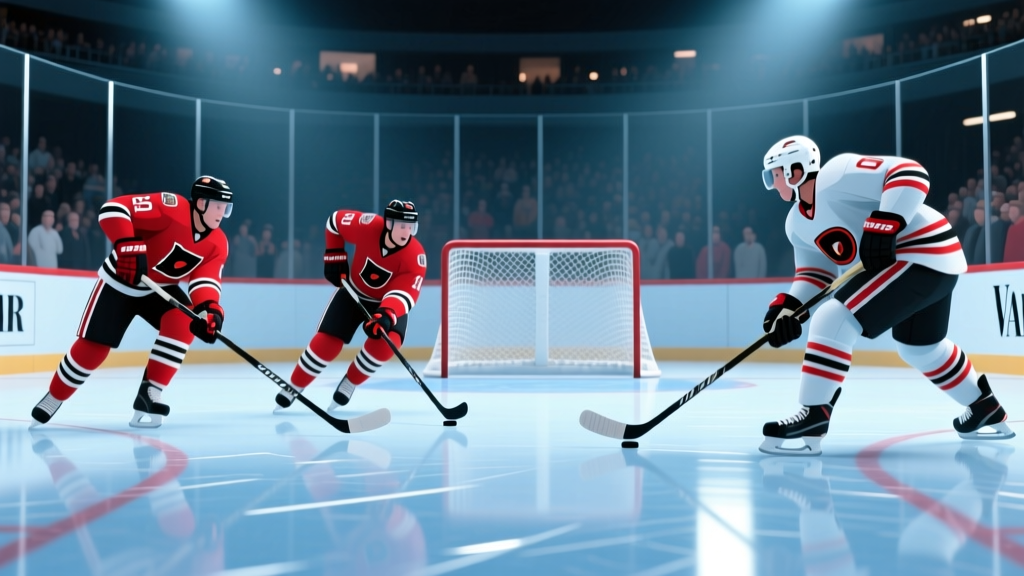
How Long Is an Ice Hockey Game? Full Breakdown
An ice hockey game typically lasts 60 minutes of regulation play, divided into three 20-minute periods, with intermissions between each. However, the total duration including stoppages, intermissions, and potential overtime can range from 2.5 to over 3 hours.
Understanding the Structure of an Ice Hockey Game
The standard length of a professional ice hockey game is built around three periods of 20 minutes each, totaling 60 minutes of regulation time. The clock stops whenever play is halted—such as after goals, penalties, or puck out of bounds—which significantly extends the actual time spent at the arena.
Key Time Elements in a Hockey Game
- Regulation Time: Three 20-minute periods with 15-17 minute intermissions.
- Clock Stoppage: Frequent during play, increasing real-time duration.
- Overtime: Used in playoff or tied regular-season games.
- Shootout: Follows overtime if the game remains tied.
- TV Timeouts: Especially in NHL, commercial breaks add to game length.
NHL Game Duration vs. Other Leagues
While the NHL follows a standardized timing format, other leagues such as international tournaments, college hockey, and youth leagues may differ in period length and overtime rules.
| League/Organization | Period Length | Number of Periods | Overtime Format (Regular Season) | Average Total Game Time |
|---|---|---|---|---|
| NHL (National Hockey League) | 20 minutes | 3 | 5-minute 3-on-3 sudden death | 2 hours 40 minutes |
| NCAA Men's Hockey | 20 minutes | 3 | 5-minute 5-on-5, then shootout | 2 hours 25 minutes |
| IIHF (International Ice Hockey Federation) | 20 minutes | 3 | 10-minute sudden death, then shootout | 2 hours 30 minutes |
| USA Hockey (Youth, 12U) | 15 minutes | 3 | No OT in most cases | 1 hour 30 minutes |
| Professional Women's Hockey League (PWHL) | 20 minutes | 3 | 3-on-3 for 10 minutes, then shootout | 2 hours 35 minutes |
The data shows that while regulation time is consistent across top-tier leagues, the inclusion of overtime formats and broadcast requirements increases average game duration. NHL games are among the longest due to commercial timeouts and structured intermissions. Youth games are shorter both in period length and overall structure to accommodate younger athletes.
Overtime and Shootout Rules by Competition
When a game ends in a tie during the regular season, different leagues apply distinct overtime procedures to determine a winner.
NHL Overtime Format
In the NHL regular season, a 5-minute sudden-death overtime is played with 3-on-3 skaters. If no goal is scored, a shootout decides the winner. In playoffs, however, full 20-minute periods continue until a goal is scored.
International and Collegiate Variations
- IIHF: 10-minute 3-on-3 overtime followed by a shootout.
- NCAA: Five-minute 5-on-5 overtime; if tied, a shootout follows.
- PWHL: Ten-minute 3-on-3 overtime, then shootout if needed.
Factors That Extend Game Duration
Beyond the 60 minutes of regulation, several elements contribute to the extended real-time length of a hockey game.
Common Time Extensions
- Intermissions: 17 minutes between periods in the NHL.
- Penalties: Power plays often lead to strategic stoppages and delayed resumptions.
- Video Reviews: Goals and offside calls are reviewed, adding delays.
- Injury Timeouts: Medical staff entering the ice pauses the clock.
- Commercial Breaks: Broadcasted games include scheduled ad breaks.
Frequently Asked Questions About Ice Hockey Game Length
How long is a typical NHL game in real time?
An average NHL game lasts about 2 hours and 40 minutes, including three 20-minute periods, intermissions, and possible stoppages. Games with overtime or shootouts may extend beyond 3 hours.
Why does a hockey game take so long if it's only 60 minutes?
The game clock stops frequently—for penalties, goals, offsides, and reviews—slowing down real-time progress. Combined with 17-minute intermissions and TV timeouts, the total event spans over two and a half hours.
How long is overtime in an ice hockey game?
In the NHL regular season, overtime is 5 minutes of 3-on-3 play. In playoffs, it becomes unlimited 20-minute sudden-death periods. International games often use 10-minute overtimes before a shootout.
Do women's professional hockey games last the same as men's?
Yes, PWHL games follow the same 60-minute regulation format with three 20-minute periods. Overtime rules are similar but feature a longer 10-minute 3-on-3 period compared to the NHL’s 5-minute version.
How long are youth ice hockey games?
Youth games vary by age group. For players under 12 (12U), periods are typically 15 minutes, resulting in a total playing time of 45 minutes and a real-time duration of about 1.5 hours, including short breaks.
More Articles
 What Muscles Does a Rower Work? Full-Body Breakdown
 How Much Is Ice Skating? Full Cost Breakdown 2025
 Why Do Water Polo Players Wear Caps?
 How Much Does a Jet Ski Weigh? Full Breakdown by Model
 How High Can You Jump Into Water Safely?
 How Many Players on an Ice Hockey Team? Full Breakdown
 How High Are the Hurdles in Track and Field?
 Did Trudy Ederle Swim Through Jellyfish? Yes
 Why Fighting Is Allowed in Ice Hockey Explained
 How Much Are Jet Ski Rentals? (2025 Prices)