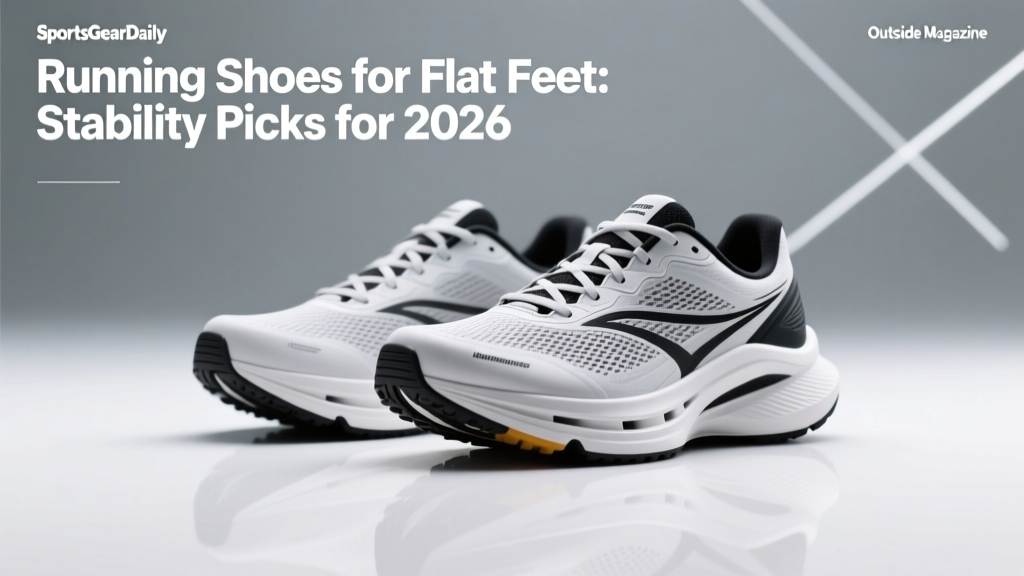
Running Shoes for Flat Feet: Stability Picks for 2026
Understanding Flat Feet and Overpronation
Flat feet (pes planus) affect 20-30% of the population. When the arch collapses, the foot rolls inward excessively (overpronation), which can cause knee pain, shin splints, and plantar fasciitis. The right shoe corrects this by providing medial support and arch structure.
Top 8 Running Shoes for Flat Feet
1. Brooks Adrenaline GTS 24
GuideRails technology limits excess inward roll without a rigid post. DNA LOFT v3 cushioning is soft yet responsive. The 12mm drop suits heel strikers. Best all-around stability shoe.
2. ASICS Gel-Kayano 32
4D Guidance System adapts to your gait in real time. FF BLAST PLUS ECO midsole gives premium cushioning. The wider base improves stability on longer runs. Ideal for heavier runners.
3. Hoka Arahi 8
J-Frame technology provides firm medial support without a traditional post. CMEVA midsole gives Hoka signature cushioning. Light at 265g. Good for runners transitioning from neutral shoes.
4. Saucony Guide 18
HOLLOW-TECH medial support platform with PWRRUN cushioning. The 8mm drop and 275g weight make it a versatile daily trainer. Best value stability shoe.
5. New Balance 860v15
Fresh Foam X midsole with a dual-density medial post. The Ultra Heel provides a secure lockdown. Solid choice for moderate overpronators logging 30-50 miles per week.
6. Brooks Beast/Ariel 24
Maximum motion control for severe overpronators. DNA LOFT midsole with a straight last and extended Progressive Diagonal Rollbar. Heavy at 340g but unmatched support.
7. Nike Structure 26
React foam with a dynamic support system in the midsole. Lighter and more flexible than traditional stability shoes. Good for mild overpronators who want a faster feel.
8. Altra Paradigm 8
Zero-drop platform with GuideRail-inspired support. EGO MAX midsole and FootShape toe box. Ideal for runners wanting natural foot positioning plus stability.
What to Look For
Key features: medial post or guide-rail support, firm midsole (not too soft), wide base, structured heel counter, and adequate arch reinforcement. Avoid ultra-soft max-cushion shoes that let the foot sink and roll.
Do You Need Custom Orthotics?
If off-the-shelf stability shoes do not resolve pain, consult a podiatrist about custom orthotics. Custom insoles address specific biomechanical issues that shoes alone cannot fix.
More Articles
 Long Jump Spikes Guide: How to Choose the Right Shoes for Maximum Distance
 Super Bowl Halftime Show Performers: Complete List from 2010 to 2026
 Long Jump Drills: 8 Exercises to Add Distance (2026)
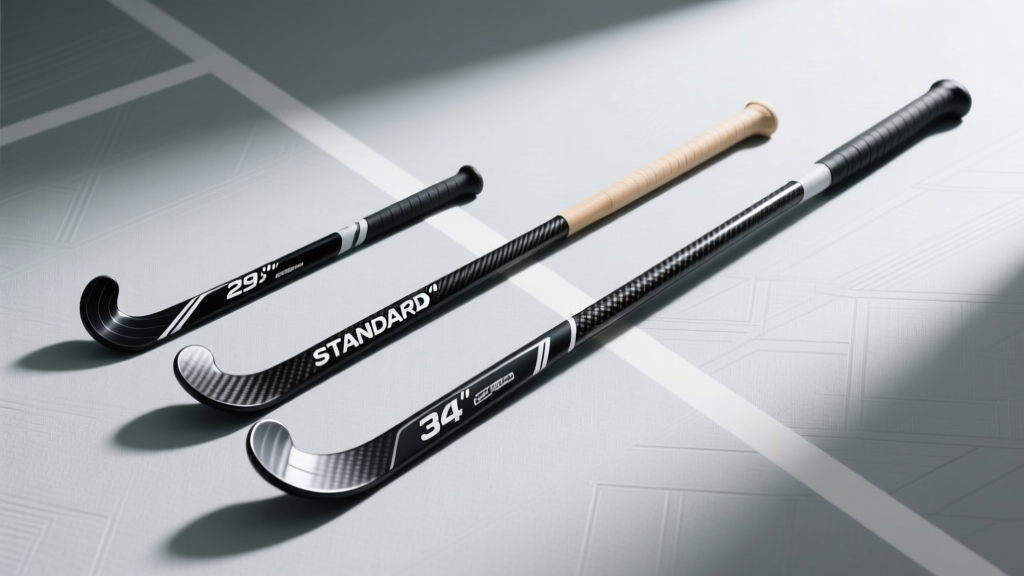 What Length Field Hockey Stick Should You Use?
 What Time Is MotoGP on TV Today? Live Schedule 2025
 How Many Laps in a Formula 1 Race? Full Breakdown
 Who Created Water Polo? The True Origin Story
 Did Holly Rowe Play College Basketball? Yes, at UNC
 Olympic Care and Maintenance: A Technical Field Manual for Pool Operators and Facility Managers
 What Year Was Swimming Added to the Olympics?