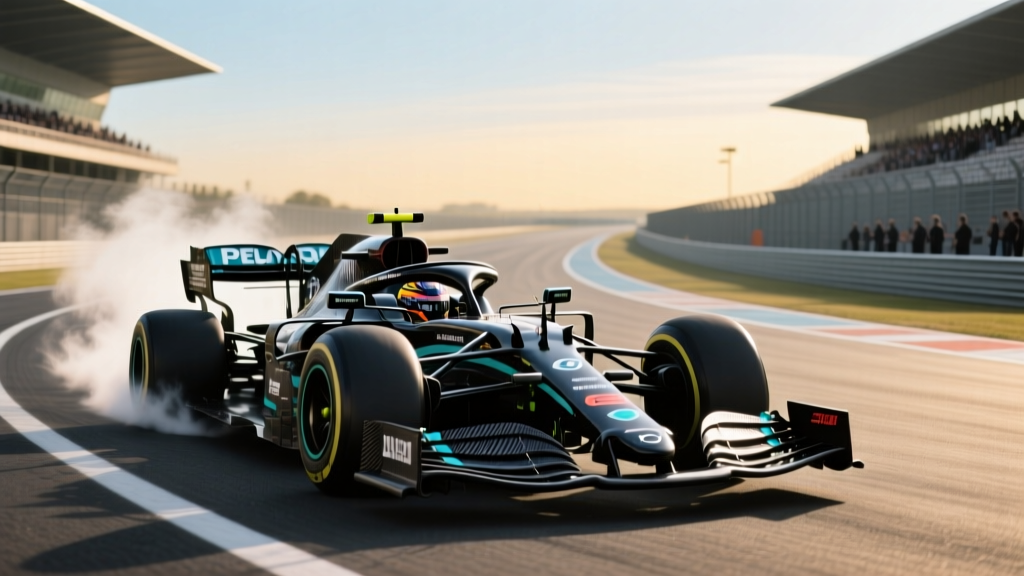
How Many Laps in a Formula 1 Race? Full Breakdown
In Formula 1, the number of laps in a race depends on the circuit and is calculated to ensure a total race distance of approximately 305 kilometers (190 miles), with a maximum time limit of two hours. Most races range between 50 and 70 laps, depending on track length.
Understanding Formula 1 Race Length
The FIA sets strict regulations for the length of a Formula 1 Grand Prix. The total race distance is determined by multiplying the number of laps by the circuit's lap length, aiming for around 305 km, excluding the Monaco Grand Prix, which targets about 260 km due to its shorter lap distance and unique layout.
Key Factors That Determine Lap Count
- Circuit length: Longer tracks require fewer laps to reach the target distance.
- Race distance cap: Races cannot exceed two hours; if this limit is reached, the current lap becomes the last one.
- Weather conditions: Wet races may be shortened due to reduced speeds and safety concerns.
- Red flags: If a race is suspended, the total laps may be adjusted upon restart.
How Many Laps Are in Each F1 Race?
Each Grand Prix has a predetermined number of laps based on the official circuit length. Below is a detailed table showing recent data from the 2024 Formula 1 season.
| Grand Prix | Circuit | Lap Length (km) | Total Laps | Race Distance (km) | Year |
|---|---|---|---|---|---|
| Bahrain Grand Prix | Bahrain International Circuit | 5.412 | 57 | 308.24 | 2024 |
| Saudi Arabian Grand Prix | Jeddah Corniche Circuit | 6.174 | 50 | 308.70 | 2024 |
| Australian Grand Prix | Albert Park Circuit | 5.278 | 58 | 306.12 | 2024 |
| Monaco Grand Prix | Circuit de Monaco | 3.337 | 78 | 260.29 | 2024 |
| Spanish Grand Prix | Circuit de Barcelona-Catalunya | 4.675 | 66 | 308.55 | 2024 |
| Canadian Grand Prix | Circuit Gilles Villeneuve | 4.361 | 70 | 305.27 | 2024 |
| British Grand Prix | Silverstone Circuit | 5.891 | 52 | 306.33 | 2024 |
| Italian Grand Prix | Autodromo Nazionale di Monza | 5.793 | 53 | 306.93 | 2024 |
The data shows that circuits like Jeddah and Monza, despite differing layouts, require fewer laps due to longer lap distances. Conversely, tighter circuits like Monaco need significantly more laps to meet the minimum race distance. All races closely adhere to the 305 km standard, except Monaco, which is an exception under FIA regulations.
Frequently Asked Questions About Formula 1 Laps
How is the number of laps decided in an F1 race?
The number of laps is calculated by dividing the target race distance (usually 305 km) by the length of one lap at the specific circuit. The result is rounded up to the nearest whole number to ensure the race meets or slightly exceeds the required distance.
Why does the Monaco Grand Prix have more laps than other races?
Monaco has more laps because its circuit is much shorter—only 3.337 km per lap. To reach the minimum race distance (260 km for Monaco), drivers must complete 78 laps, compared to around 50–60 at longer tracks.
Can an F1 race go over two hours?
No, FIA rules state that no Formula 1 race can exceed two hours. If the two-hour mark is reached during a lap, the race continues to the end of that lap, after which it concludes regardless of whether the full distance was completed.
Are all F1 races the same distance?
Most F1 races aim for approximately 305 km, but the Monaco Grand Prix is an exception, targeting around 260 km due to its unique street circuit characteristics and historical precedent.
What happens if an F1 race is stopped early?
If a race is red-flagged and cannot resume, results are taken from the last full lap before the suspension. If less than 75% of the scheduled distance is completed, half points are awarded provided at least two laps were completed.
More Articles
 What Time Is the NASCAR Race Today? 2025 Schedule & TV Info
 How High Can You Jump on the Moon? (6x Higher)
 How Much Is It to Rent a Jet Ski? (2025 Rates)
 What Happens If You Knock Over a Hurdle?
 Olympic Pool Depth: Official 2026 Standards
 Super Bowl Halftime Show History: Every Performer from 2015 to 2026
 How Long to Learn to Swim: Timelines by Age & Skill
 How Much Does a Canoe Cost? (2025 Prices)
 Best Home Gym Equipment Under $500: 2026 Budget Setup Guide
 Swimming Strokes Guide: Freestyle, Backstroke, Breaststroke, and Butterfly