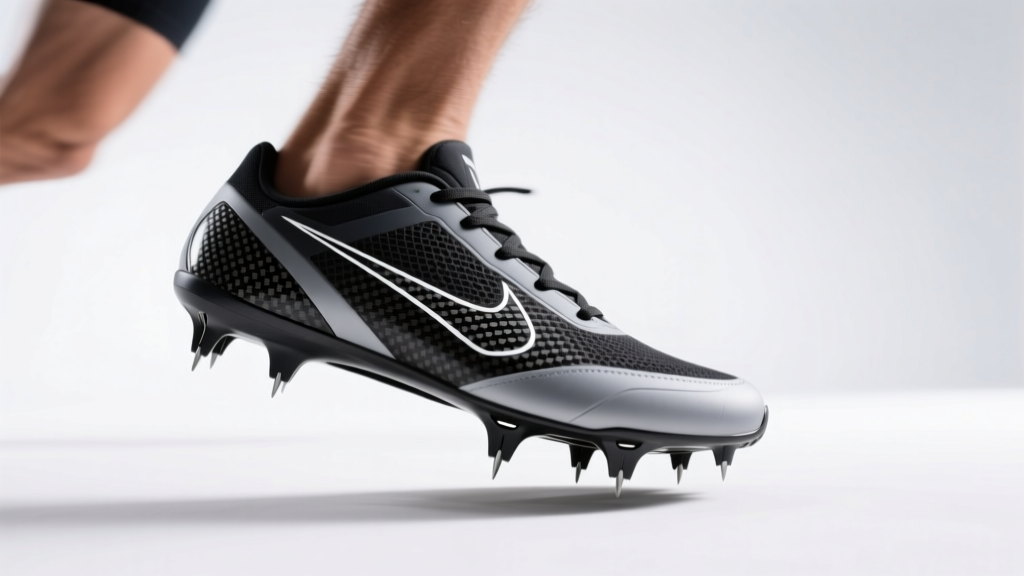
Long Jump Spikes Guide: How to Choose the Right Shoes for Maximum Distance
Why Proper Spikes Matter for Long Jump
In long jump, every fraction of an inch counts. The shoes you wear directly affect your approach speed, takeoff power, and landing stability. Proper long jump spikes are engineered specifically for the demands of the event: they provide exceptional grip on the runway, a stiff plate for energy transfer at takeoff, and enough cushioning to absorb the impact of landing in the pit.
Using running spikes or general track shoes for long jump is a common mistake among beginners. While they may look similar, long jump spikes have specific design features that set them apart: a reinforced toe area for the powerful push-off at the board, a full-length spike plate for maximum traction during the approach, and additional heel cushioning to protect your foot during the landing phase.
Studies have shown that wearing proper event-specific spikes can improve long jump performance by 2-5 percent compared to wearing generic track shoes. For a jumper with a personal best of 18 feet, that translates to an improvement of 4-11 inches, which can be the difference between making a team and missing out.
Key Features to Look For
Spike Plate Stiffness: The spike plate is the rigid sole of the shoe where the spikes are attached. For long jump, you want a stiff plate that transfers energy efficiently from your foot to the ground. A flexible plate absorbs energy that should be propelling you forward. Look for shoes with a full-length, carbon-fiber or Pebax plate for maximum stiffness and energy return.
Spike Length and Configuration: Most tracks allow spike lengths of 6mm to 9mm for field events. Longer spikes provide better grip but can damage some track surfaces. Check your competition rules before choosing spike length. The configuration, typically 6-8 spikes per shoe arranged in the forefoot area, should match the type of runway surface you will be competing on. All-weather synthetic surfaces work well with pyramid or Christmas tree spikes, while cinder tracks require needle spikes.
Heel Support and Cushioning: Unlike sprint spikes, which have minimal heel cushioning, long jump spikes need adequate heel padding. The landing phase puts tremendous stress on your heel and ankle, and insufficient cushioning can lead to bruises, stress fractures, and chronic pain over time. Look for shoes with at least 15mm of heel cushioning and a well-padded heel collar.
Upper Fit and Lockdown: Your foot should feel secure and locked in place without being constricted. A snug fit prevents your foot from sliding inside the shoe during the high-speed approach and powerful takeoff. Most high-end long jump spikes feature a sock-like construction with strategic overlays for support, and a strap system across the midfoot for additional lockdown.
Top Recommendations by Skill Level
Beginner (under 18 feet): The Nike Jump Elite 2 remains the gold standard for developing jumpers. At approximately $130, it offers a good balance of plate stiffness, heel cushioning, and durability. The full-length spike plate provides reliable traction, and the Phylon midsole delivers adequate impact protection for learning proper technique.
Intermediate (18-22 feet): The Adidas Adizero Long Jump is an excellent upgrade option at around $150. It features a Sprintframe plate for superior energy return and a more aggressive spike configuration for maximum grip during the approach. The shoe is lighter than beginner models, which translates to faster approach speeds.
Advanced (22+ feet): The Puma evoSPEED Long Jump Pro and Nike Zoom LJ Elite are the top choices for competitive jumpers. These shoes feature carbon fiber plates, advanced foam technologies, and precision-engineered uppers that weigh under 200 grams. At $180-200, they represent a significant investment but provide every possible performance advantage.
Fitting Tips and Common Mistakes
Always try on spikes with the same socks you will wear during competition. Track spikes should fit snugly, about a half size smaller than your regular shoes, with your toes just touching the end. There should be no heel slip when you walk or jog in them. If possible, try them on in the afternoon when your feet are slightly swollen, as this more closely matches your foot size during training and competition.
Common mistakes include buying spikes too large (causing instability at takeoff), using the wrong spike type for the track surface (causing slipping or track damage), and not breaking in new spikes before competition (causing blisters and discomfort). Always wear your new spikes for at least 3-4 training sessions before wearing them in a meet.
Replace your spikes when the plate shows visible wear, the spikes become stripped or broken, or the upper material develops tears. For most competitive jumpers, spikes last 1-2 seasons depending on training volume. Keep a backup pair broken in and ready in case your primary spikes fail before an important competition.
More Articles
 What to Wear at a Rock Climbing Gym
 Where to Buy Swimming Clothes: Best Stores & Brands 2025
 Team Jump: Science and Strategy Across Sports
 How Many Gallons in an Olympic Pool?
 How Long Is a Water Polo Match? Full Breakdown
 Science-Backed Tips for Sports Performance
 How Many Laps Is a 1500 Meter Swim?
 Tennis Serve Technique: Grip, Toss & Motion Guide for Beginners (2026)
 How Much Does a Shot Put Weigh? Men, Women, and Youth Sizes
 Most Watched Sporting Events in History: Global TV Viewership Records and Rankings