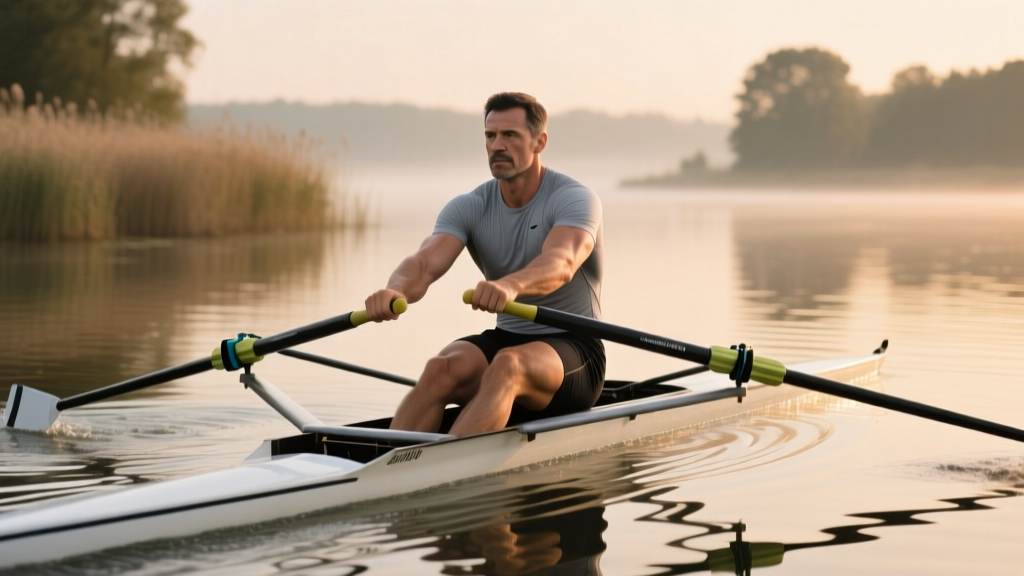
How Rowing Changes Your Body: Real Results & Timeline
Rowing can significantly transform your body by building lean muscle, improving cardiovascular fitness, enhancing posture, and promoting fat loss—especially when combined with proper nutrition and consistency.
How Rowing Reshapes Your Physique
Rowing is a full-body workout that engages approximately 86% of your major muscle groups with every stroke. Unlike isolated exercises, rowing synchronizes upper body, lower body, and core engagement, making it one of the most efficient calorie-burning and muscle-toning activities available.
Key Physical Changes from Regular Rowing
- Upper Body Strength: Targets back, shoulders, arms, and chest muscles.
- Lower Body Power: Builds quadriceps, hamstrings, and glutes through the drive phase. \li>Core Stability: Engages abs and obliques to maintain proper form.
- Cardiovascular Endurance: Improves heart health and lung capacity over time.
- Body Composition: Reduces body fat percentage while increasing lean muscle mass.
Rowing vs. Other Cardio Exercises: A Comparative Analysis
While running and cycling are popular cardio choices, rowing stands out due to its low-impact nature and superior muscular engagement. It delivers similar cardiovascular benefits without placing excessive stress on joints, making it ideal for long-term sustainability.
| Exercise | Muscle Groups Engaged (%) | Calories Burned (30 min, 155 lb person) | Joint Impact Level | VO2 Max Improvement (8-week avg.) |
|---|---|---|---|---|
| Rowing | 86% | 260 | Low | +14.2% |
| Running | 30% | 372 | High | +12.1% |
| Cycling | 25% | 290 | Low | +10.8% |
| Swimming | 80% | 250 | Low | +13.5% |
The data shows that rowing ranks among the highest in muscle activation while maintaining low joint impact. Its calorie burn is competitive despite being lower than running, thanks to afterburn effect (EPOC) due to full-body resistance. Over time, consistent rowing leads to greater functional strength and endurance gains compared to more isolated cardio forms.
Timeline of Visible Body Changes from Rowing
Results vary based on frequency, intensity, diet, and starting fitness level. However, most individuals notice measurable changes within 4–12 weeks.
What to Expect When Starting Rowing
- Weeks 1–4: Improved stamina, reduced breathlessness, slight muscle toning.
- Weeks 5–8: Noticeable definition in arms, back, and legs; clothing fits looser.
- Weeks 9–12: Increased muscle mass, decreased body fat, better posture, improved resting heart rate.
For optimal results, aim for 3–5 sessions per week, each lasting 20–45 minutes, incorporating both steady-state and interval training.
Common Questions About Rowing and Body Transformation
Can rowing help lose belly fat?
Yes, rowing contributes to overall fat loss, including visceral and subcutaneous abdominal fat, by creating a calorie deficit and boosting metabolism. While spot reduction isn't possible, consistent rowing combined with balanced nutrition leads to visible reductions in waist circumference over time.
Does rowing make your thighs bigger?
Rowing typically tones and firms thigh muscles without causing significant bulk. The aerobic nature of most routines promotes lean muscle development rather than hypertrophy, especially in women who have lower testosterone levels. You'll likely see slimmer, stronger legs with regular use.
How often should I row to see results?
For noticeable physical changes, row 3–5 times per week for at least 20–30 minutes per session. Incorporate variety—such as HIIT, endurance rows, and technique drills—to maximize adaptation and prevent plateaus.
Is 20 minutes of rowing enough to get fit?
Yes, 20 minutes of intense rowing (e.g., interval training) can be highly effective for improving cardiovascular fitness and burning calories. High-intensity intervals on a rower elevate heart rate efficiently, triggering EPOC and delivering fitness benefits comparable to longer moderate workouts.
Will rowing give me a six-pack?
Rowing strengthens the core and helps reduce body fat, which are essential for revealing abdominal muscles. However, visible abs also require a low body fat percentage and targeted nutrition. While rowing supports the process, it won’t guarantee a six-pack without dietary control and supplementary core work.
Final Thoughts: Maximizing the Benefits of Rowing
To fully harness the transformative power of rowing, focus on proper technique, progressive overload, and recovery. Pair your routine with adequate protein intake and sleep to support muscle repair and growth. Whether your goal is weight loss, endurance, or a sculpted physique, rowing offers a sustainable, joint-friendly path to achieving it.
More Articles
 Safe Chlorine Level to Swim In: Max ppm Guidelines
 How Much Is Ice Skating? Full Cost Breakdown 2025
 How Much Water Is in an Olympic-Sized Swimming Pool?
 Olympic Swimming Pool Dimensions Explained
 How Much Is a Formula 1 Car? Full Cost Breakdown 2025
 Tennis Racket String Tension Guide
 Olympic Care and Maintenance: A Technical Field Manual for Pool Operators and Facility Managers
 Go-Kart Steering Wheel Bolt Pattern Explained
 Top Basketball Shoes for Ankle Support: 2026 Buyer's Guide
 How Long Are Field Hockey Games? Full Timing Breakdown