Can Swimming Build Muscle? Science-Backed Answer
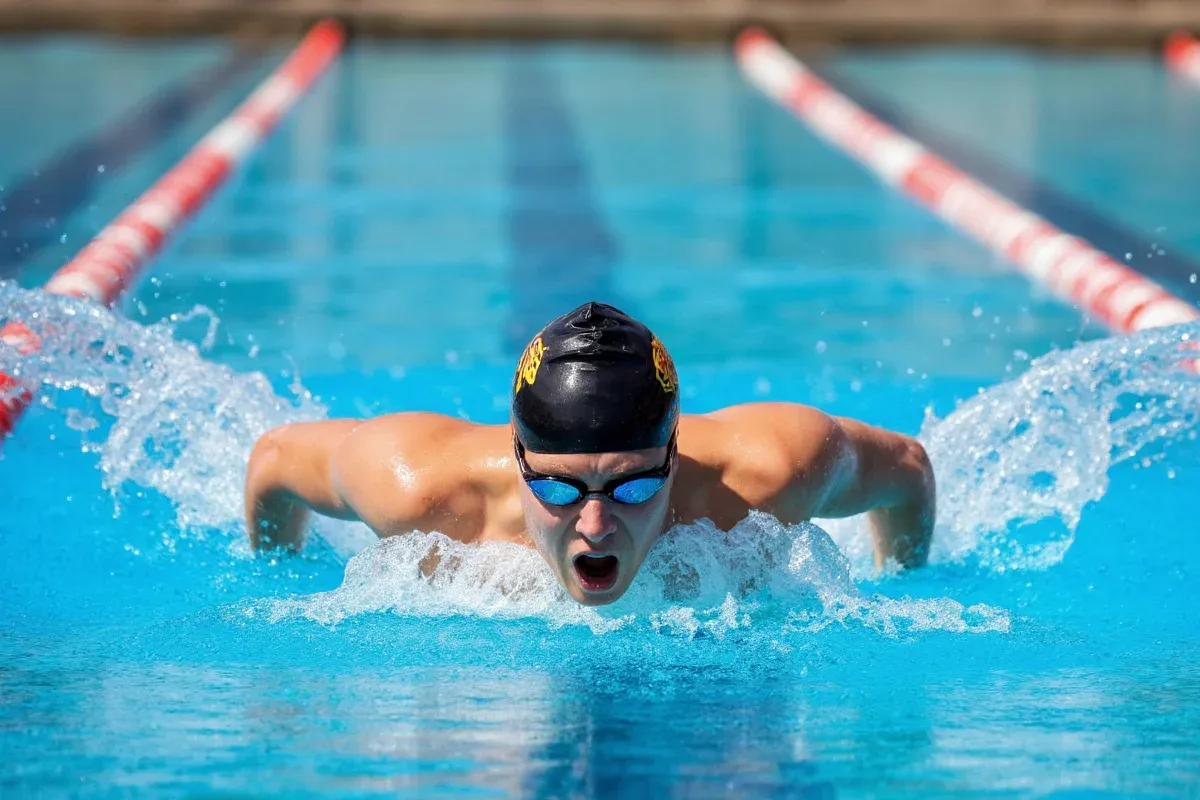
Yes, swimming can build muscle, particularly in the shoulders, back, core, and legs, by providing consistent resistance training through water. While not as intense as weightlifting, swimming promotes muscular endurance, tone, and moderate hypertrophy—especially with increased intensity, proper technique, and progressive overload.
How Swimming Builds Muscle
Swimming is a full-body workout that uses water resistance to engage multiple muscle groups simultaneously. Unlike traditional weight training, which relies on gravity and external loads, swimming provides constant resistance in all directions due to water's viscosity—making every stroke a form of resistance exercise.
Muscle Groups Targeted During Swimming
- Shoulders and Arms: Freestyle and butterfly heavily engage deltoids, biceps, and triceps.
- Back Muscles: Latissimus dorsi and trapezius are activated during pull phases in all strokes.
- Core: The abdominal and oblique muscles stabilize the body during rotation and streamline motion.
- Legs: Kicking motions work quadriceps, hamstrings, and calves, especially in flutter, dolphin, and breaststroke kicks.
Swimming vs. Traditional Strength Training
While swimming builds lean muscle and improves endurance, it typically doesn’t produce the same level of muscle hypertrophy as heavy resistance training. However, it excels in muscular endurance, joint mobility, and cardiovascular conditioning.
| Exercise Type | Muscle Activation (EMG %) | Average Calories Burned (per hour) | Hypertrophy Potential |
|---|---|---|---|
| Freestyle Swimming | 65–75% | 500–700 | Moderate |
| Butterfly Stroke | 80–90% | 700–900 | High |
| Weightlifting (Compound) | 85–95% | 400–500 | Very High |
| Running | 50–60% | 600–800 | Low |
The table shows that butterfly stroke activates muscles at levels close to weightlifting, indicating high potential for muscle development. However, weightlifting still leads in maximal muscle activation and hypertrophy due to greater load capacity. Swimming offers a balanced alternative with lower joint impact.
Maximizing Muscle Growth Through Swimming
To increase muscle-building effects from swimming, consider the following strategies:
Increase Resistance and Intensity
- Use swim tools like paddles, drag suits, or parachutes to enhance resistance.
- Incorporate interval training (e.g., 10 x 100m sprints with 30-second rest) to boost effort and lactate threshold.
Focus on Technique and Form
Proper stroke mechanics ensure maximum muscle engagement. For example, a high elbow catch in freestyle increases lat and bicep activation. Working with a coach can refine technique for better muscle recruitment.
Apply Progressive Overload
Gradually increase distance, speed, or resistance over time. This principle is essential for continued muscle adaptation, similar to increasing weights in the gym.
Benefits Beyond Muscle Building
Swimming offers additional advantages that complement muscle development:
- Low Impact: Reduces injury risk while allowing frequent training sessions.
- Cardiovascular Health: Improves heart and lung function, supporting recovery and endurance.
- Flexibility and Joint Mobility: Full range-of-motion movements enhance overall athleticism.
- Body Composition: Burns significant calories, aiding fat loss and muscle definition.
Frequently Asked Questions About Swimming and Muscle Building
Can swimming build muscle like lifting weights?
Swimming builds lean muscle and improves endurance but generally does not match the hypertrophy achieved through heavy weightlifting. It uses resistance from water, which is substantial but limited compared to progressive external loading in strength training. However, advanced swimmers using resistance tools and high-intensity intervals can achieve notable muscle development.
Which swimming stroke builds the most muscle?
The butterfly stroke engages the highest percentage of muscle mass, particularly in the upper body and core. It requires powerful dolphin kicks and coordinated arm pulls, leading to greater muscle activation than other strokes. Due to its intensity, it’s excellent for building strength and power when performed regularly.
How often should I swim to gain muscle?
For optimal muscle development, swim 4–6 times per week with varied intensity. Include technique drills, endurance sets, and sprint intervals. Allow at least one rest day for recovery and muscle repair. Combining swimming with dryland strength training can further enhance results.
Does swimming help build leg muscles?
Yes, swimming significantly works the leg muscles, especially during kicking phases. The flutter kick (freestyle), dolphin kick (butterfly), and whip kick (breaststroke) all activate quadriceps, hamstrings, glutes, and calves. While not as targeted as squats or lunges, consistent kicking drills contribute to toned and stronger legs.
Can beginners build muscle from swimming?
Absolutely. Beginners experience rapid neuromuscular adaptations and initial muscle growth due to the novelty of full-body resistance. Even moderate swimming sessions lead to improved muscle tone, core stability, and endurance. As fitness increases, so does the capacity for more intense, muscle-building workouts in the water.
More Articles
 Did Saquon Barkley Get Fined for Backward Hurdle?
 4 Competitive Swimming Strokes: Technique, Speed & Rules for Each (2026)
 How Long Is an Ice Hockey Game? Full Breakdown
 How Long to Jump Rope for Cardio: Optimal Duration
 Olympic Swimming Pool Size: Exact Dimensions 2025
 What Swimming Pool Is Open Now? Find Nearby Access
 Where Was Field Hockey Invented? Origin & History
 How Fast Can Racewalkers Walk? Elite Speeds Revealed
 Michael Jordan Vertical Jump: 48-Inch Explained
 How Thick Is an Ice Hockey Rink?