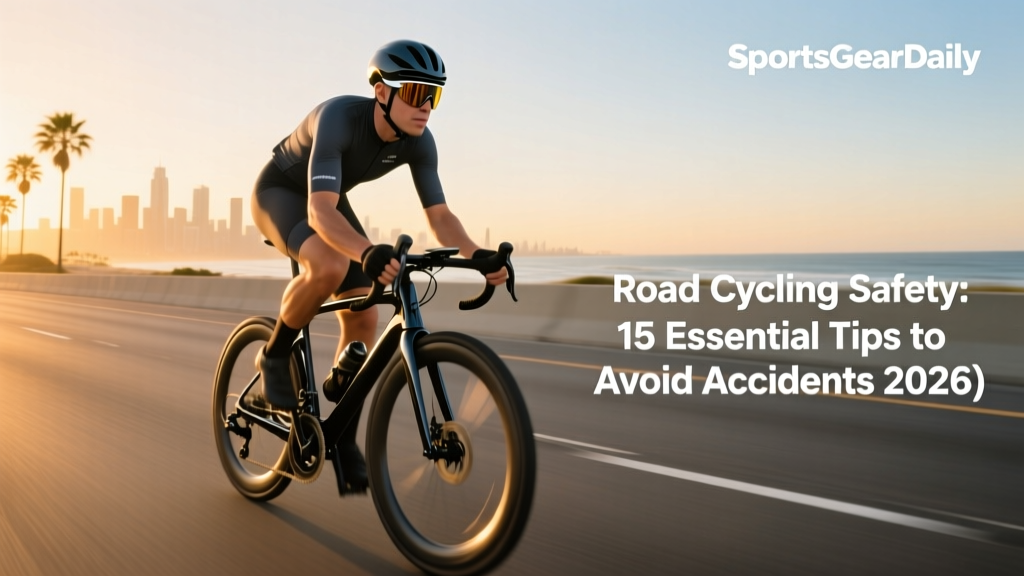
Road Cycling Safety: 15 Essential Tips to Avoid Accidents (2026)
Pre-Ride Equipment Check
Before every ride, check tire pressure at 80-120 PSI for road bikes, brake function where pads should contact the rim evenly, quick-release levers for wheels and seatpost, chain lubrication, and that your helmet has no cracks. A 2-minute check prevents most mechanical-related crashes.
Ride Position in Traffic
Stay 3-4 feet from the curb, not hugging the edge. This gives you room to avoid debris and makes you more visible to drivers. In narrow lanes where cars cannot safely pass with 3 feet of clearance, take the full lane as it is your legal right in most jurisdictions.
Hand Signals
Left turn: extend left arm straight out. Right turn: extend left arm bent upward at 90 degrees or right arm straight out where legal. Stopping: extend left arm bent downward at 90 degrees. Signal at least 100 feet before turning in traffic.
Intersection Safety
The right hook where a car turns right across your path causes 12 percent of cycling fatalities. When approaching intersections, position yourself where turning drivers can see you. Never pass on the right of a vehicle that might turn right. Make eye contact with drivers.
Group Ride Etiquette
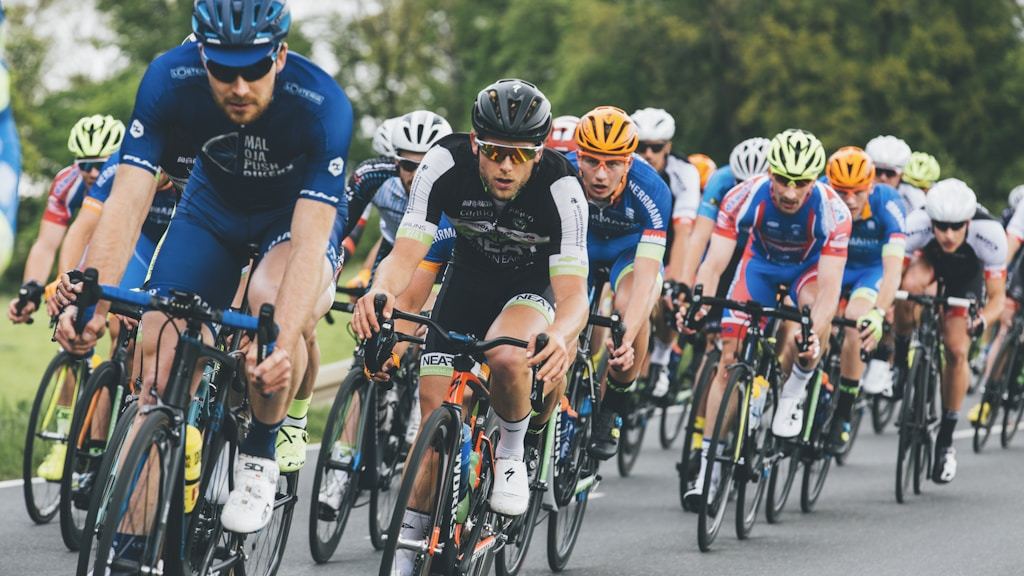
Call out hazards such as car back for vehicles approaching from behind, hole for potholes, slowing and stopping. Point at road hazards. Maintain steady speed because sudden braking causes chain-reaction crashes. Never overlap wheels with the rider ahead.
Visibility Equipment
Required equipment includes a front white light with minimum 400 lumens for night riding, rear red light where flashing is more noticeable, and reflectors. Recommended items include reflective ankle bands, bright jersey, and a bell or horn. Studies show daytime running lights reduce crashes by 19 percent.
Helmet Standards
Replace your helmet every 3-5 years as foam degrades or after any impact even if there is no visible damage. Look for CPSC certification in the US, EN 1078 in the EU, or AS/NZS 2063 certification. MIPS-equipped helmets reduce rotational forces by up to 10 percent, lowering concussion risk.
More Articles
 Best Premium Sports Gear Guide
 The Last Common Mistakes: Critical Oversights That Sabotage Projects, Campaigns, and Operations
 What Swimming Pools Are Open Near Me Today?
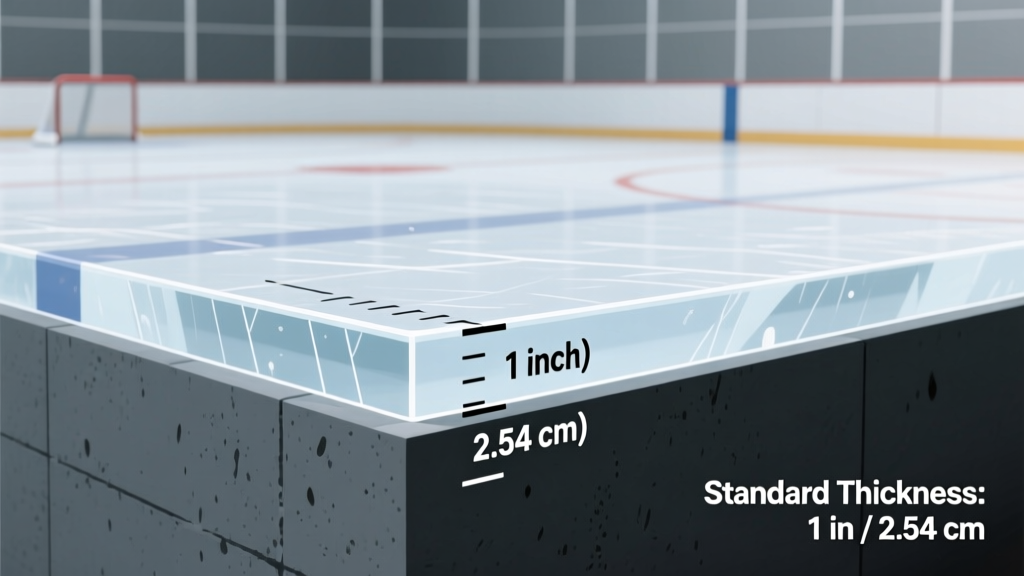 How Thick Is Hockey Rink Ice? Standard Measurements
 How Fast Do Go Karts Go? Top Speeds by Type
 Olympic Swimming Events 2026: Full List
 Fastest Jet Ski in the World: Top Speeds & Models
 How Fast Can a Human Swim? Top Speeds Revealed
 Olympic Shot Put Weight: Men's & Women's Specs
 Best Basketball Shoes for Ankle Support: 2026 Buyer Guide