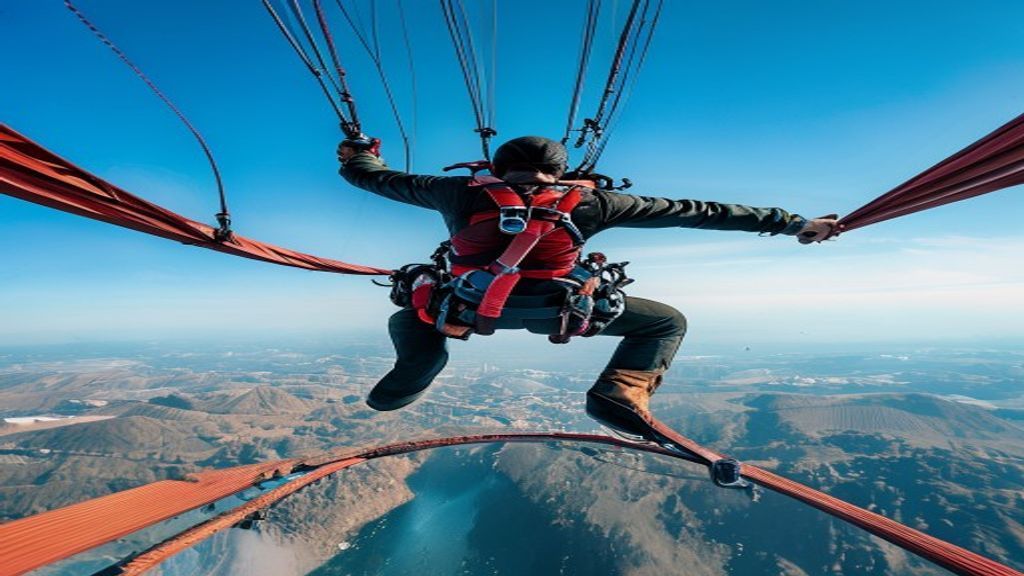
Bungee Jumping Safety Checklist: 12 Must-Verify Items (2026)
Your Complete Bungee Jumping Safety Checklist
Bungee jumping is one of the most exhilarating adventure sports available, with a death rate of approximately 1 in 500,000 jumps — making it statistically safer than skydiving. However, nearly every bungee jumping accident in the past 30 years has been linked to one or more preventable safety failures. This 12-point checklist will help you verify everything before you take the leap.
1. Operator Licensing and Certification
Before booking, verify that the bungee jumping operator holds valid licenses from the relevant local authority. In the US, check with the state amusement ride safety board. In the UK, look for BERA (British Elastic Rope Sports Association) certification. In Australia, operators should comply with AS/NZS 5804 standards.
2. Equipment Inspection Records
Ask to see the operator's equipment inspection log. Bungee cords should be replaced every 500-1,000 jumps or when they show signs of UV damage, fraying, or loss of elasticity. Harnesses should be retired after 3-5 years of use regardless of condition. A reputable operator will show you these records without hesitation.
3. Your Weight Is Within Range
Every bungee site has minimum and maximum weight limits, typically 40-120 kg (88-265 lbs). Being outside this range is not just uncomfortable — it changes the cord's stretch dynamics and can cause injury. Always weigh yourself on the day of the jump, as cord tension is calibrated to your exact weight.
4. Health Conditions Screening
You should NOT bungee jump if you have: high blood pressure (above 160/100), heart conditions, epilepsy, severe neck or back problems, pregnancy, or recent surgery. Some operators also restrict people with a BMI over 35 due to the forces involved in the deceleration phase.
5. Weather Conditions
Wind speeds above 25 mph (40 km/h) should cancel any bungee jump. Rain makes the platform slippery and reduces grip on metal surfaces. Lightning within 10 miles means an immediate stop. Always check the weather forecast and confirm the operator's cancellation policy.
6. Cord Type and Attachment Method
There are two main attachment methods: ankle harness and full-body harness. Ankle attachments give a more dramatic head-first drop but require perfect cord length calculation. Full-body harnesses are safer for beginners. Ask which method the operator uses and why.
7. Jump Platform Stability
Whether jumping from a bridge, crane, or purpose-built tower, the platform must be stable and free from excessive vibration. For crane jumps, check that the crane is rated for the dynamic loads of bungee jumping, not just static weight. Bridge jumps should have proper guardrails on the approach.
8. Jumpmaster Experience
Your jumpmaster should have completed at least 1,000 supervised jumps. Ask about their experience level — a good operator will proudly share their team's credentials. The jumpmaster should conduct a thorough briefing covering body position, landing procedures, and emergency signals.
9. Rescue Procedures
What happens if the cord doesn't fully retract? Every operator must have a rescue plan. This typically involves a secondary rope system that can lower you to the ground if you're left hanging. Ask to see their rescue equipment and confirm that staff are trained in aerial rescue.
10. Insurance Coverage
Check that the operator carries public liability insurance (minimum coverage varies by country but should be at least million). Also verify whether your personal travel insurance covers adventure sports — many standard policies exclude bungee jumping.
11. What to Wear
Wear fitted, comfortable clothing that won't flap excessively during the jump. Avoid loose jewelry, scarves, or anything that could get tangled in the cord. Closed-toe shoes with secure laces are essential. Some operators provide jumpsuits for ankle-attachment jumps.
12. Eating and Hydration
Eat a light meal 2-3 hours before your jump. Avoid heavy meals, alcohol, or excessive caffeine. Being too full can cause nausea during the rapid deceleration, while being too hungry can lead to lightheadedness. Stay hydrated with water.
After the Jump: Recovery Tips
After your jump, you may feel disoriented for a few minutes — this is normal. The retrieval process takes 1-3 minutes. Once on solid ground, take a few minutes to sit and recover. Some people experience temporary red marks on their ankles or torso from the harness — these typically fade within 24 hours.
Conclusion
Bungee jumping is remarkably safe when proper protocols are followed. By working through this 12-point checklist, you're not just protecting yourself — you're also supporting operators who take safety seriously. The vast majority of bungee jumping accidents happen when one or more of these checks are skipped. Do your homework, trust your instincts, and enjoy the jump.
More Articles
 How Fast Do F1 Cars Go? Top Speed & Acceleration Explained
 Where to Watch MotoGP 2025 Live Worldwide
 Bungee Jumping Safety: 1 in 500,000 Death Rate (2026)
 How High Can Cristiano Ronaldo Jump? 2.88 Meters
 FIFA World Cup 2026: Complete Guide to Host Cities, Format, and Schedule
 Best Sports for Beginners: 10 Easy and Fun Games to Start Today
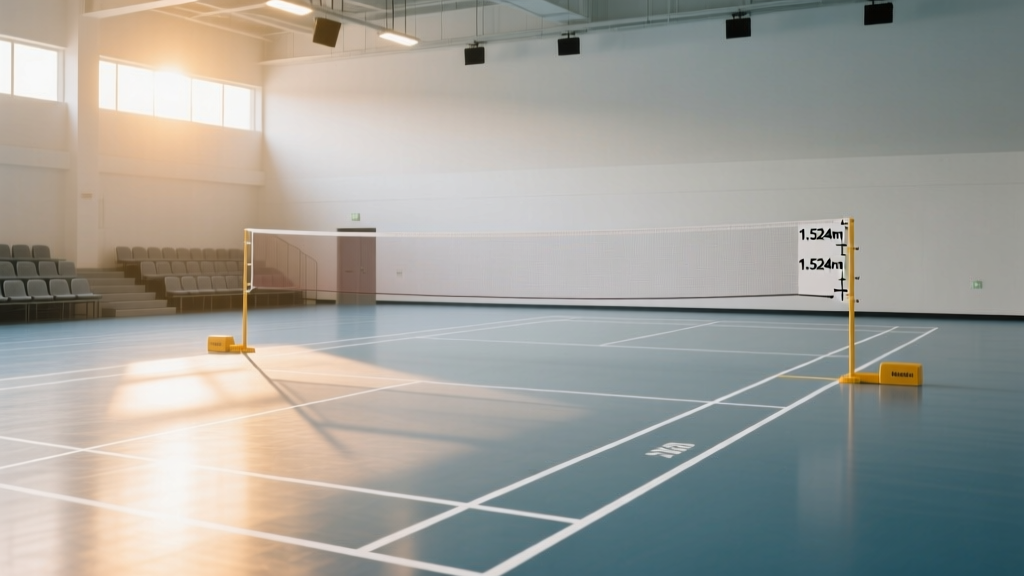 Badminton Venue Guide: Court Dimensions, Net Height & Facility Requirements (2026)
 How Long to Jump Rope for Cardio: Optimal Duration
 Best Breakdown Channel: Tech Explainers Ranked
 Where Can I Swim with Whale Sharks? Top 5 Spots in 2025