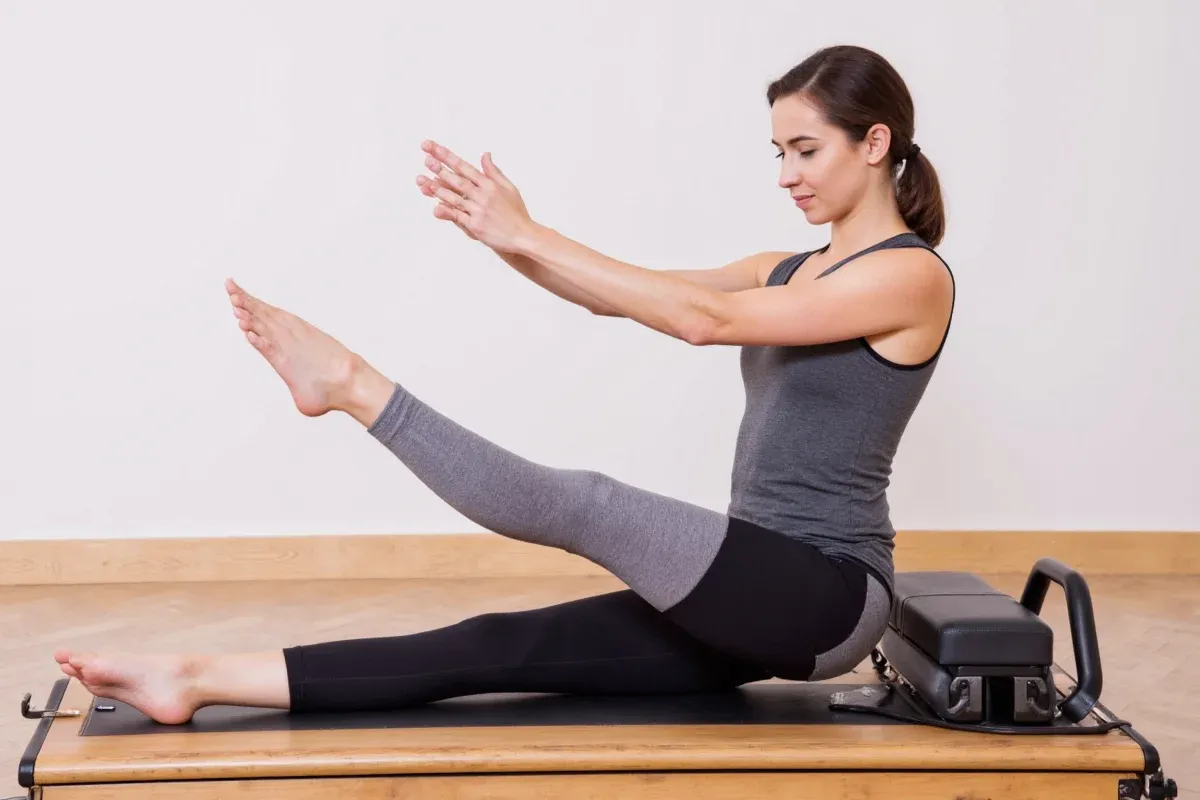
Who Invented Pilates? The True Origin Story
Joseph Pilates invented the Pilates method, a physical fitness system developed in the early 20th century to improve strength, flexibility, and mental focus through controlled movements and breathwork.
The Origins of Pilates: Who Was Joseph Pilates?
Joseph Hubertus Pilates, born in Germany in 1883, created the Pilates method as a holistic approach to health. As a child, he suffered from asthma, rickets, and other ailments, which motivated him to study various forms of exercise including yoga, gymnastics, and martial arts. By combining these influences, he developed a unique system originally called “Contrology,” emphasizing control of the mind over the body.
Key Influences on the Pilates Method
- Yoga and Eastern breathing techniques
- Western gymnastics and calisthenics
- Greco-Roman wrestling and martial arts principles
- Anatomy and rehabilitation science
Development and Global Spread of Pilates
Joseph Pilates moved to England in 1912 and later to the United States in 1926 with his wife Clara. They opened a studio in New York City that attracted dancers, athletes, and performers. His method gained popularity among the ballet community for its ability to enhance posture, balance, and injury recovery.
During World War I, while interned in England, Pilates began refining his techniques by working with injured soldiers, adapting bed springs into early versions of resistance equipment—a prototype for what would become the Reformer machine.
Pilates Equipment Innovation
Joseph Pilates designed several pieces of apparatus to support body alignment and resistance training:
- The Reformer: A sliding carriage with springs for resistance.
- Cadillac (Trap Table): A raised table with overhead bars and springs.
- Wunda Chair: A compact device for strength and balance training.
| Equipment | Year Invented | Primary Use | Resistance Mechanism |
|---|---|---|---|
| Reformer | 1920s | Full-body conditioning | Springs (adjustable) |
| Cadillac | 1930s | Rehabilitation & flexibility | Springs & straps |
| Wunda Chair | 1940s | Core stability & leg strength | Springboard mechanism |
| Ladder Barrel | 1945 | Spinal mobility & stretching | Curved wooden frame |
| Spine Corrector | 1948 | Posture alignment | Wooden arc design |
The data shows that Joseph Pilates systematically developed specialized tools between the 1920s and 1940s, each targeting specific aspects of physical conditioning. The consistent use of spring-based resistance highlights his innovative integration of portable mechanics into therapeutic exercise.
Legacy and Modern Adaptations
After Joseph's death in 1967, his students and the broader fitness industry expanded the method. Today, Pilates is taught worldwide in studios, gyms, and rehabilitation centers. Modern variations include clinical Pilates, mat-based programs, and hybrid workouts integrating technology and real-time feedback.
Notable figures such as Romana Kryzanowska, a protégé of Joseph and Clara, played key roles in preserving and teaching authentic techniques. Certification programs now follow standardized curricula across organizations like the Pilates Method Alliance (PMA).
Frequently Asked Questions About Who Invented Pilates
Who exactly invented Pilates?
Joseph Pilates, a German-born physical trainer, invented the Pilates method in the early 20th century, originally naming it Contrology.
When was Pilates invented?
Joseph Pilates developed his system during the 1910s and 1920s, formally establishing his New York studio in 1926.
Why did Joseph Pilates create this exercise system?
He created it to improve his own health as a sickly child and later refined it to help others build strength, coordination, and mental clarity through mindful movement.
Is Pilates named after the person who invented it?
Yes, the term “Pilates” was coined by others to honor Joseph Pilates; he himself referred to it as Contrology.
Did Joseph Pilates work with any famous groups or people?
Yes, he and his wife Clara trained members of the New York City dance community, including dancers from the New York City Ballet, helping rehabilitate injuries and enhance performance.
More Articles
 Best Basketball For Last: Durability, Grip, and Real-World Performance Tested
 How to Prevent Sports Injuries: 15 Evidence-Based Strategies for Athletes
 Where to Buy Snowboards: Best Retailers 2025
 Who Invented the Skateboard? The True Origin Story
 Where Was Skiing Invented? Origins & History
 Player Trends 2026: How Athletes Are Redefining Performance, Identity, and Influence
 How to Start a Running Routine: Couch to 5K Guide for Absolute Beginners
 Best Places to Go Skydiving in 2025
 Long Jump World Record Progression: Every Record from 1901 to Present
 Should I Ski or Snowboard? Find Your Best Fit