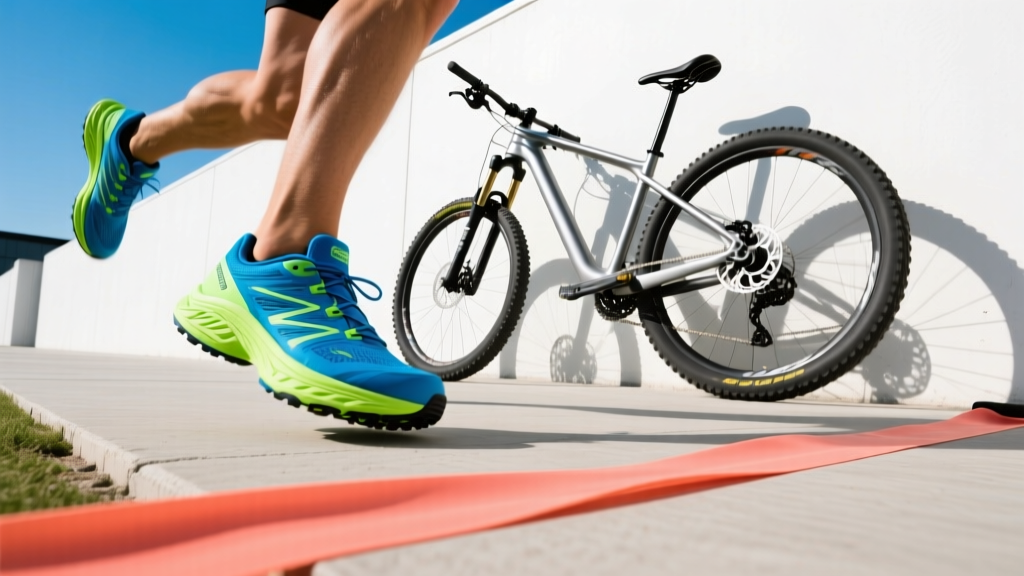
Break In Running Shoes Without Blisters
Why New Shoes Cause Blisters
New running shoes have stiff materials, rigid seams, and unformed uppers that create friction points against your skin. The break-in period gradually softens these materials and molds them to your foot shape. Rushing this process is the number one cause of blisters.
The 7-Day Break-In Plan
Days 1-2: Wear Around the House
Put on your new shoes for 1-2 hours of light activity at home. Walk on carpet and hard floors. Pay attention to any hot spots — areas of warmth or redness that signal friction.
Days 3-4: Short Walks
Take 20-30 minute walks outdoors. This introduces varied terrain and slightly increases the stress on your feet. Wear the same socks you plan to run in.
Days 5-6: Easy Jog
Run 1-2 miles at an easy pace. Running generates significantly more heat and friction than walking. Keep this run short even if the shoes feel comfortable.
Day 7: Normal Run
If no hot spots have developed, resume your normal running distance. The shoes should now feel like a natural extension of your feet.
Prevention Tips
- Wear proper socks: Moisture-wicking synthetic or merino wool socks reduce friction far better than cotton
- Apply anti-chafe balm: Products like Body Glide on known friction points (heels, toes, sides of feet) prevent blisters before they start
- Use the heel lock lacing: The extra eyelet at the top of most running shoes is designed for a heel lock, which prevents heel slippage — a major blister cause
- Do not skip sizing: Running shoes should be a half size larger than casual shoes to accommodate foot swelling during exercise
When to Skip the Break-In
Modern knit-up running shoes (like Nike Flyknit or Adidas Primeknit) often require minimal break-in because the upper material is already flexible. However, the midsole still needs 20-30 miles to reach its full cushioning potential.
More Articles
 How Much Does It Cost to Become a Pilates Instructor?
 Who Owns CrossFit in 2025? Current Owner and History
 Shoes Alternatives: Performance-Tested Options
 How Long Does a Skydive Last? Full Breakdown
 Can Cycling Lose Belly Fat? Science-Backed Answer
 Start Buying Guide: Practical First Steps for Smart, Confident Purchases
 How Much Does Snowboarding Cost? (2025 Prices)
 How Many Calories Do I Burn in Pilates? (By Type & Weight)
 Hiking Shoe Brands Not Made in China
 Ironman Triathlon Distances: Full Event Breakdown