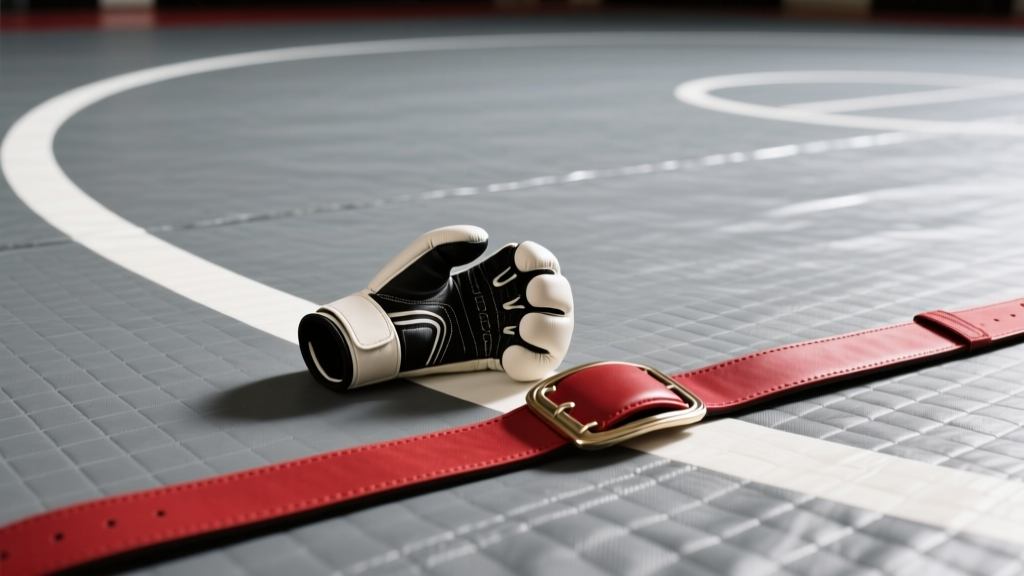
Wrestling Rules Guide: Essential Regulations & Standards
Wrestling is a dynamic and ancient sport known for its intense battles and rich history. Over the centuries, it has evolved into various styles and formats, becoming a staple in both historical records and modern athletic competition. This comprehensive guide delves into the multifaceted world of wrestling, exploring its history, rules, environment, techniques, professional aspects, and much more, providing both beginners and seasoned practitioners with a detailed understanding of the sport.
Introduction
Wrestling is one of the world's oldest sports, having roots that reach back thousands of years. Traced back to ancient civilizations such as Egypt, Greece, and Rome, wrestling was not only a sport but a critical component of military training and education. The Greeks held wrestling in high regard, making it a centerpiece of the Olympic Games in 708 BC. Unlike today's diverse and often stylized versions, ancient wrestling was primarily about skill, strength, and endurance. As the centuries passed, wrestling evolved and diversified into numerous styles and disciplines, ranging from Greco-Roman and freestyle wrestling to traditional forms like sumo in Japan and Pehlwani in India. Each style reflects the cultural, historical, and societal influences of its place of origin. Today, wrestling enjoys global popularity, attracting millions of enthusiasts and practitioners worldwide. The sport is featured in major international competitions such as the Olympic Games, World Championships, and regional events. These competitions showcase the diverse styles of wrestling, bringing together athletes from across the globe to compete at the highest levels. Notable figures such as Alexander Karelin, widely regarded as one of the greatest Greco-Roman wrestlers, and John Smith, an accomplished American freestyle wrestler, have left indelible marks on the sport. Teams from countries like Russia, the United States, Iran, and Japan have consistently excelled in international competitions, highlighting the global reach and competitive nature of wrestling. Recent developments in wrestling include advancements in training techniques, the application of sports science to enhance performance, and a growing emphasis on safety and inclusivity. The introduction of women's wrestling into major competitions has broadened the sport's appeal, encouraging participation across genders and increasing its popularity worldwide.Basic Rules and Gameplay
Wrestling is governed by a set of rules designed to ensure fair play and competition. The core objective of wrestling is to defeat the opponent through superior technique, strength, and strategy. In official competitions, matches are usually conducted between two opponents in a controlled environment.- Core Objectives: Wrestlers aim to pin their opponent’s shoulders to the mat or win through points scored by executing successful techniques.
- Basic Rules Breakdown:
- A match typically consists of two or three rounds.
- No striking; focus on grappling and takedowns.
- Illegal holds and unsportsmanlike conduct are prohibited.
- Scoring System: Points are awarded based on the execution of maneuvers, control of the opponent, and defensive skills.
- Game Duration: Matches vary in length depending on the style, with each round lasting from two to three minutes.
- Playing Positions: Common positions include standing, par terre (ground), and clinch.
- Team Composition: Though primarily an individual sport, team competitions use cumulative scoring to determine winners.
- Basic Strategies:
- Control the opponent’s movement.
- Utilize counters and reversals.
- Capitalize on the opponent’s weaknesses.
- Essential Skills: Agility, strength, balance, and mental fortitude are crucial for success in wrestling.
Playing Environment
The physical setting of a wrestling match is meticulously designed to ensure fairness, safety, and optimal competition conditions.- Field/Court Dimensions: Wrestling matches take place on a circular mat with a diameter of about 9 meters (30 feet).
- Surface Requirements: The mat must have a non-slip surface and be shock absorbent to minimize injury risk.
- Equipment Specifications:
- Wrestlers wear specialized singlets allowing freedom of movement.
- Protective gear includes headgear to prevent ear injuries.
- Venue Requirements: Indoor venues with appropriate lighting, ventilation, and crowd control features are preferred for official competitions.
- Environmental Conditions: Matches are conducted in a controlled climate to maintain athletes' safety and comfort.
- Safety Considerations:
- Regular mat maintenance and cleanliness are mandatory.
- Proper warm-up routines to prevent injuries.
Detailed Rules and Regulations
Wrestling operates under stringent rules provided by organizations like United World Wrestling (UWW), which standardizes the competitive environment.- Comprehensive Rules Explanation: Wrestlers must adhere to sportsmanship standards while engaging in fair grappling and takedowns.
- Common Violations:
- Illegal holds such as chokes or joint locks.
- Passivity or avoiding engagement.
- Violating mat boundaries during competition.
- Penalty System: Violations may lead to warnings, point deductions, or disqualification based on severity.
- Special Situations:**
- "Par terre" wrestling begins when one wrestler is placed on the ground.
- Challenge opportunities allow teams to contest referee decisions under certain conditions.
- Official Signals: Referees use hand signals to indicate points awarded, fouls, or match-winning moves.
- Time Management Rules: Time-outs may be called for injuries, while match clocks are strictly monitored.
- Substitution Procedures: Not applicable for individual matches but present in team competitions.
- Challenge/Review Systems: Teams have limited challenges to request video reviews of referee decisions.
Technical Elements
The technical side of wrestling emphasizes both foundational skills and advanced techniques.- Fundamental Techniques:
- Takedowns, including single and double leg takedowns.
- Escapes and reversals from difficult positions.
- Holds like the half-nelson, used to maintain control over the opponent.
- Advanced Skills: Proficiency in setups, counters, and throwing techniques notably separates advanced wrestlers.
- Training Methods:** Emphasizes a mix of cardio conditioning, strength training, and skill drills to enhance performance.
- Common Tactics:
- Using aggression and movement to control pace and sector.
- Counterplay focusing on opponent's movements.
- Team Formations: In team events, participants compete in different weight categories, contributing to a collective score.
- Strategic Approaches:** Wrestlers adapt strategies based on opponents' styles and match circumstances.
- Performance Analysis: Reviews of match videos to identify strengths, weaknesses, and areas for improvement.
Official Roles and Responsibilities
The smooth execution of a wrestling match depends on various officials fulfilling distinct roles.- Referee Duties: Enforces rules, awards points, and maintains control over the match proceedings.
- Supporting Officials: Include judges and technical delegates who verify scoring and oversee the match’s regulatory compliance.
- Team Officials: Coaches and support staff responsible for the well-being and performance preparation of wrestlers.
- Technical Staff:** Manage the event logistics, equipment setups, and ensure compliance with regulations.
- Medical Personnel: Provide immediate medical attention in case of injuries during a match.
- Match Delegates: Oversee the organization and execution of wrestling events to ensure fair competition.
Professional Aspects
Wrestling at the professional level encompasses a variety of competitive platforms and requires athletes to meet specific standards.- Major Leagues: Professional leagues and organizations, such as the International Wrestling Federation, promote the sport globally.
- Tournament Structures: Often organized in knock-out formats, round-robin, or combination structures to determine champions.
- Professional Requirements: Wrestlers at this level must maintain exceptional physical condition and extensive technical acumen.
Terminology and Jargon
A comprehensive glossary of wrestling terms provides clarity for those new to the sport and enriches the understanding for seasoned followers.- Technical Terms: Cover specific techniques such as takedowns, pins, and throws.
- Tactical Terminology: Discusses strategies like "counter wrestling" and "ride time."
- Equipment Vocabulary:** Defines gear like singlets, headgear, and mats.
- Official Terminology:** Includes the language used by referees and officials, such as "tech fall" and "caution."
Wrestling remains a deeply respected and practiced sport worldwide, interwoven with cultural traditions, athletic excellence, and ongoing evolution. From its ancient origins to modern-day competitions, wrestling continues to offer athletes an arena to test their skills, endurance, and strategy against worthy opponents. Whether approached as a competitive sport or a form of exercise, wrestling invites participants to engage fully with its challenges and rewards.
More Articles
 How Many Super Bowls Have the New York Giants Won?
 Baseball Season End Date 2026: Final Schedule
 What Bowl Games Are on TV Today? Full Schedule & Stream
 Best Tips for Facts: Precision, Verification, and Practical Application
 Who Invented MMA? The True Origins Explained
 How Many Super Bowls Do the Raiders Have? 3 Wins Explained
 When Did MMA Start? The 1993 UFC Origin Explained
 Where Can I Watch Boxing Tonight? Live Streams & Channels
 How Long Is a Rugby Sevens Game? Full Breakdown
 When Was the Super Bowl in Detroit? Key Dates & Future Host