What Does a Libero Do in Volleyball? Key Role Explained
What Does a Libero Do in Volleyball?
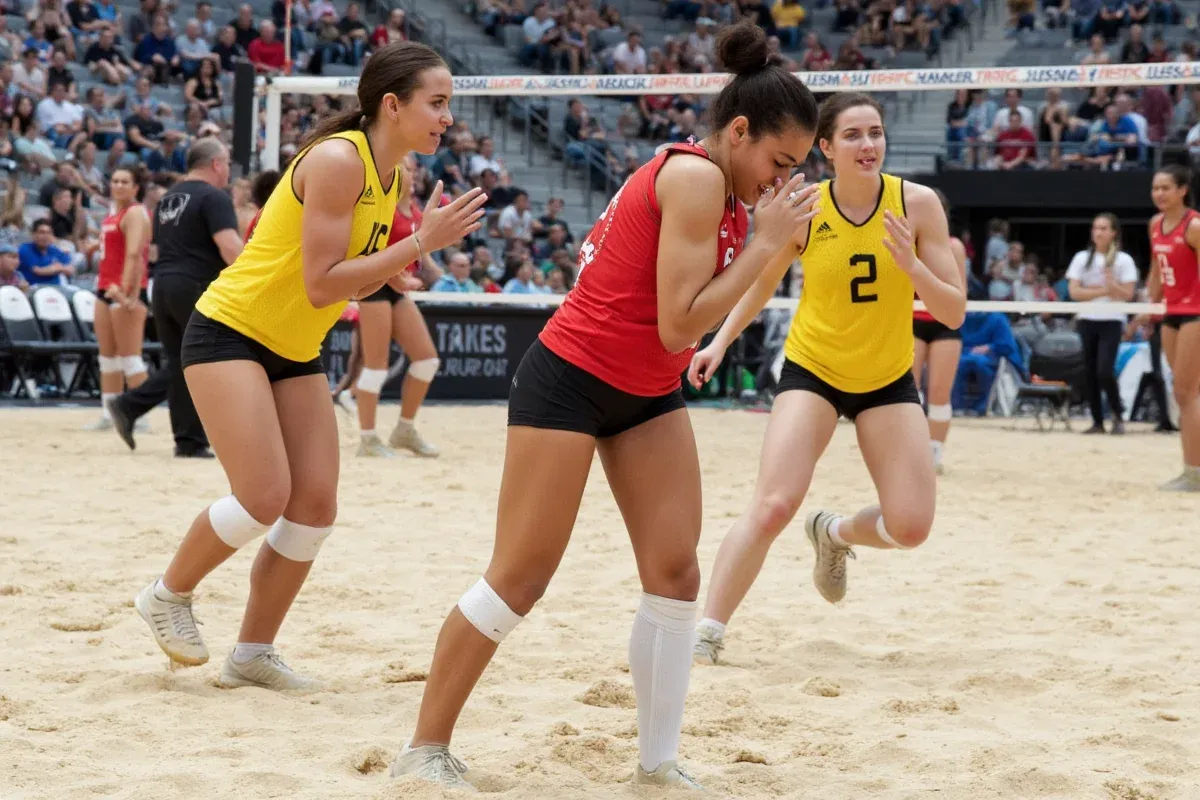
The libero in volleyball is a specialized defensive player who wears a different colored jersey and is restricted to playing in the back row. They cannot serve, block, or rotate into the front row, but excel in passing and digging, enhancing team ball control and defensive stability.
Role and Responsibilities of the Libero
The primary function of the libero is to improve a team’s reception and back-row defense. Because they are not allowed to attack from above the net or block, their role is purely supportive in maintaining rallies and setting up offensive plays through accurate passes and digs.
Key Responsibilities Include:
- Receiving serves: The libero often takes the first touch on opponent serves, delivering accurate passes to the setter.
- Digging attacks: They play a critical role in defending against powerful spikes from the opposing team.
- Stabilizing back-row defense: Positioned in zone 5 or 6, the libero covers large areas of the court during rallies.
- Improving ball control: Their consistent passing enables smoother transitions to offense.
Rules Governing the Libero Position
Established by FIVB (Fédération Internationale de Volleyball), the libero rules ensure fair use of this specialized position while preserving game balance.
Core Rules for Liberos:
- Must wear a contrasting jersey color.
- Cannot serve, block, or attempt to block.
- Cannot complete an attack hit if the ball is entirely above the net height when contacted.
- No rotation restrictions—can replace any back-row player without counting as a substitution.
- Unlimited substitutions, but cannot be replaced by the same player more than once per set unless that player returns to their original position.
| Statistic | Libero Average (NCAA D1) | All-Position Average (NCAA D1) |
|---|---|---|
| Digs Per Set | 3.8 | 1.2 |
| Passing Efficiency (Positive/Excellent %) | 78% | 54% |
| Reception Errors Per Match | 0.6 | 1.4 |
| Back-Row Defensive Coverage (m²) | 12.4 | 7.1 |
The data shows that liberos significantly outperform other players in defensive metrics. With nearly triple the dig rate and superior passing efficiency, they are pivotal in high-level volleyball systems. Their error reduction in serve reception also highlights their reliability under pressure.
Tactical Advantages of Using a Libero
Teams leverage the libero to maintain consistency in serve-receive formations and sustain longer rallies. Coaches often design offensive systems around the libero’s ability to deliver precise first touches.
Strategic Benefits:
- Enables setters to run faster, more predictable offensive sets due to stable passes.
- Allows taller front-row players to focus on attacking and blocking without compromising floor defense.
- Reduces substitution pressure, enabling tactical flexibility late in sets.
- Enhances team resilience against strong serving teams.
Common Questions About the Libero in Volleyball
Can a libero serve in volleyball?
No, under standard FIVB and NCAA rules, a libero cannot serve. However, in some youth or recreational leagues, modified rules may allow designated serving roles for liberos, but this is not permitted at elite levels.
Why does the libero wear a different color jersey?
The contrasting jersey helps referees, scorekeepers, and spectators easily identify the libero, ensuring compliance with positional restrictions. This visual distinction prevents illegal attacks or blocks by the libero.
Can a libero be captain?
Yes, a libero can be team captain in international competitions, but they cannot act as game captain on the court due to frequent substitutions. Communication responsibilities typically fall to a front-row player during play.
Can a libero spike the ball?
A libero can attack the ball from behind the 3-meter line, but only if the ball is not entirely above the height of the net at contact. Spiking from above the net level is prohibited to maintain role integrity.
How is a libero different from a regular back-row player?
A libero has unlimited substitutions and excels in reception and defense, whereas regular back-row players follow standard rotation and substitution rules. Liberos are trained specifically for precision passing and quick defensive reactions, making them specialists rather than all-around players.
More Articles
 What Does Total Games Mean in Tennis?
 What Do You Play To in Volleyball? Scoring Explained
 What's Inside Olympic Medal Winners' Gift Boxes?
 Titleist Golf Balls Made in USA? (2026)
 Where Was Baseball Created? The True Origins Revealed
 Who Is the GOAT of Boxing? Ali, Mayweather & Robinson Ranked
 How Old Is Kurt Angle the Wrestler in 2025?
 Dates vs TRUE: A Rigorous, Evidence-Based Comparison of Two Leading Natural Energy Bars
 Who Invented Badminton? Origins & History Explained
 How Much Is a Spare Worth in Bowling? (10 + Next Roll)