Olympic Archery Distance: How Far Is the Target?
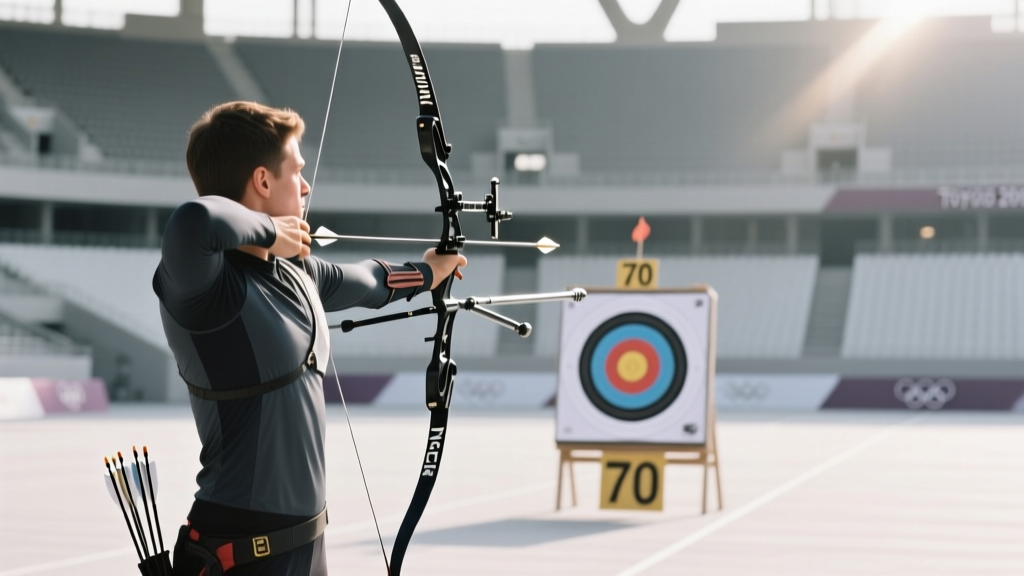
In Olympic archery, the target is set at a distance of 70 meters (approximately 76.55 yards) from the shooting line for both men and women competing in the recurve discipline, which is the only form featured in the Olympic Games.
Understanding Olympic Archery Distance
The standard distance in modern Olympic archery is precisely 70 meters. This applies uniformly across all individual and team events for both male and female athletes. The consistency in distance ensures fairness and allows for direct comparison of performances worldwide.
Why 70 Meters?
- The 70-meter distance was standardized by World Archery (WA), formerly known as FITA, to balance precision and physical demand.
- This range challenges archers' accuracy, stability, and mental focus under pressure.
- It aligns with international competition standards, ensuring Olympic events reflect global norms.
Target Specifications and Scoring
The Olympic target face has a diameter of 122 cm and features ten concentric scoring rings. The innermost gold ring, worth 10 points, measures just 12.2 cm in diameter—making it an extremely small target at 70 meters.
Scoring Breakdown
- Each ring from the center outward scores 10 down to 1 point.
- The 10-ring is the size of a tennis ball when viewed from 70 meters away.
- Arrows touching the line between two rings are awarded the higher score.
| Diameter (cm) | Scoring Ring | Color | Points |
|---|---|---|---|
| 12.2 | Inner Gold | Gold | 10 |
| 24.4 | Outer Gold | Gold | 9 |
| 36.6 | Inner Red | Red | 8 |
| 48.8 | Outer Red | Red | 7 |
| 61.0 | Inner Blue | Blue | 6 |
| 73.2 | Outer Blue | Blue | 5 |
| 85.4 | Inner Black | Black | 4 |
| 97.6 | Outer Black | Black | 3 |
| 109.8 | Inner White | White | 2 |
| 122.0 | Outer White | White | 1 |
The table illustrates how scoring zones decrease in size toward the center. Hitting the 10-ring from 70 meters requires exceptional skill, as it appears only about 0.5 degrees in visual angle—an angular size comparable to a coin held at arm's length.
Equipment and Technique at 70 Meters
Olympic archers use recurve bows equipped with stabilizers, sights, and clickers to enhance precision. The draw weight typically ranges from 40 to 50 pounds for men and 26 to 34 pounds for women.
Key Technical Factors
- Stabilizers: Reduce bow movement and improve balance during aiming.
- Sights: Allow micro-adjustments for wind and distance compensation.
- Arrow Selection: Carbon or aluminum arrows are tuned to match the archer’s draw length and strength.
Variations Across Archery Disciplines
While Olympic archery strictly uses 70 meters, other competitive formats vary:
- Para Archery: Also contested at 70 meters for W1 and compound open classes.
- Compound Archery: Typically shot at 50 meters in World Championships but not in the Olympics.
- Field Archery: Distances vary significantly, often including uphill, downhill, and unmarked ranges.
Frequently Asked Questions About Olympic Archery Distance
How far is the Olympic archery target for women?
The Olympic archery target for women is set at 70 meters, the same as for men. Gender does not affect the shooting distance in Olympic recurve archery.
Is the Olympic archery distance different for men and women?
No, both men and women compete from the same 70-meter distance in Olympic archery. The only differences lie in average draw weight and physical conditioning.
What is the size of the Olympic archery target?
The official Olympic archery target has a total diameter of 122 cm. The 10-ring at the center is 12.2 cm wide, roughly the size of a tennis ball when seen from 70 meters away.
Do Olympic archers shoot at different distances during competition?
No, all rounds—including qualification, elimination, and finals—are shot from a fixed 70-meter distance. There is no variation in range throughout the Olympic tournament.
Has the Olympic archery distance always been 70 meters?
No, the 70-meter distance was adopted in 1988. Prior to that, multiple distances were used, including 60, 80, 90, and 100 meters, depending on the event and year.
More Articles
 When Is Boxing Season? Key Fight Times Explained
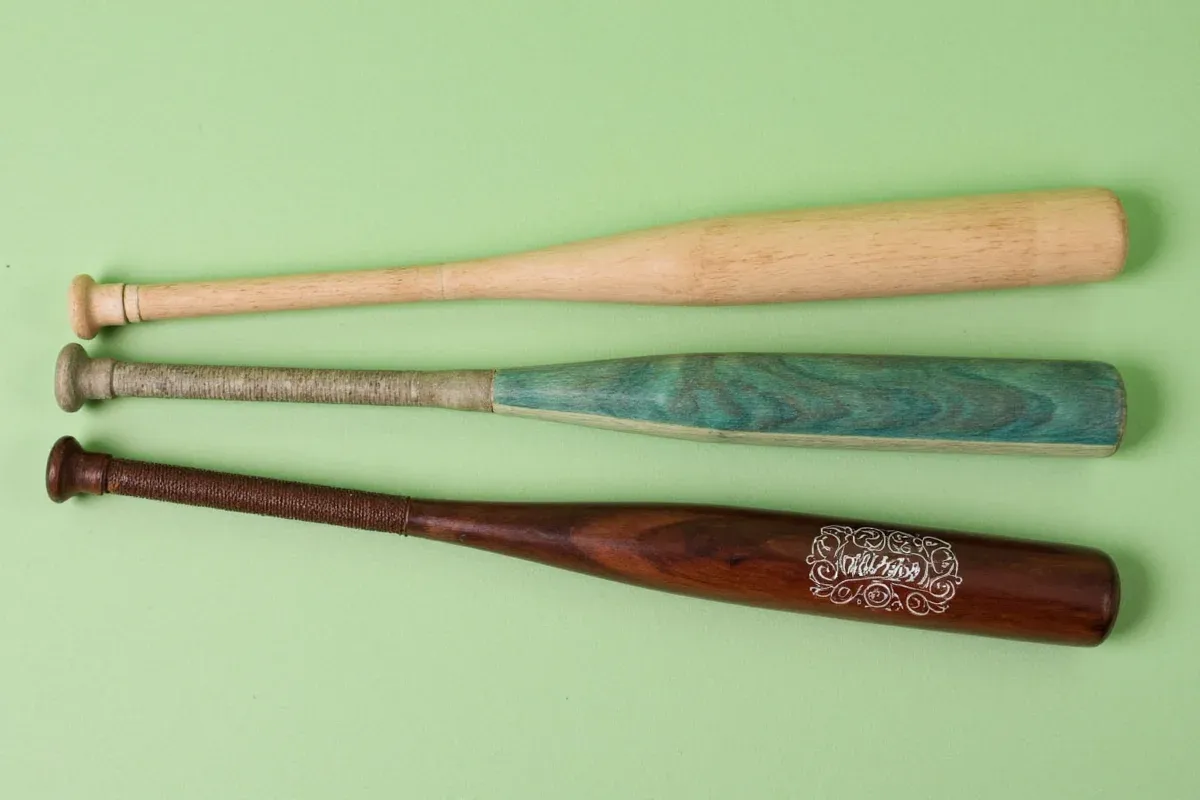 Will Taylor and Baseball Bat Bros: Athlete Link Explained
 What Height Golf Clubs Do I Need? Find Your Fit
 Why Do They Yell Fore in Golf? Explained
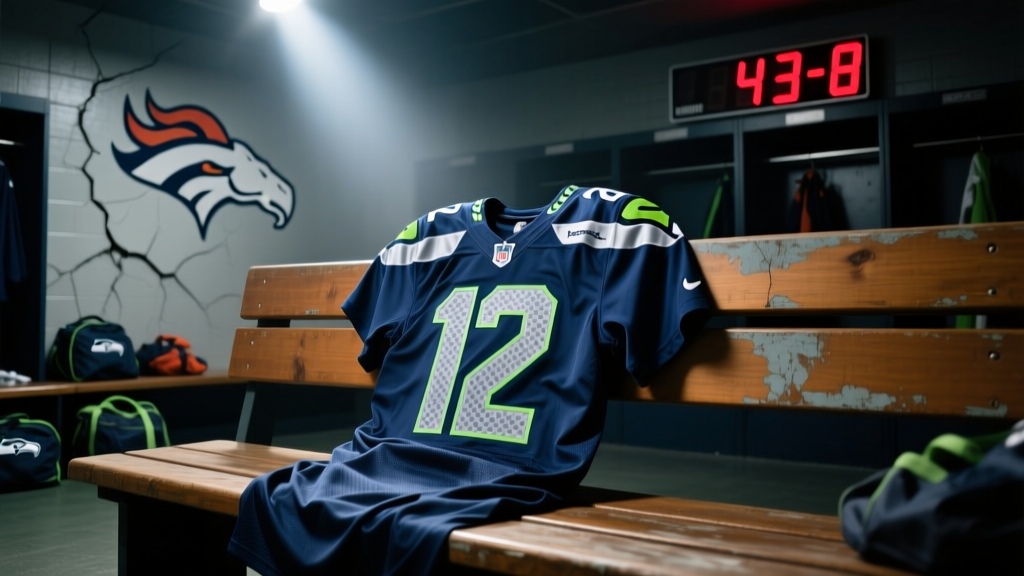 Who Won 2014 Super Bowl? Seahawks Beat Broncos 43-8
 How Long Are College Baseball Games? (2025 Data)
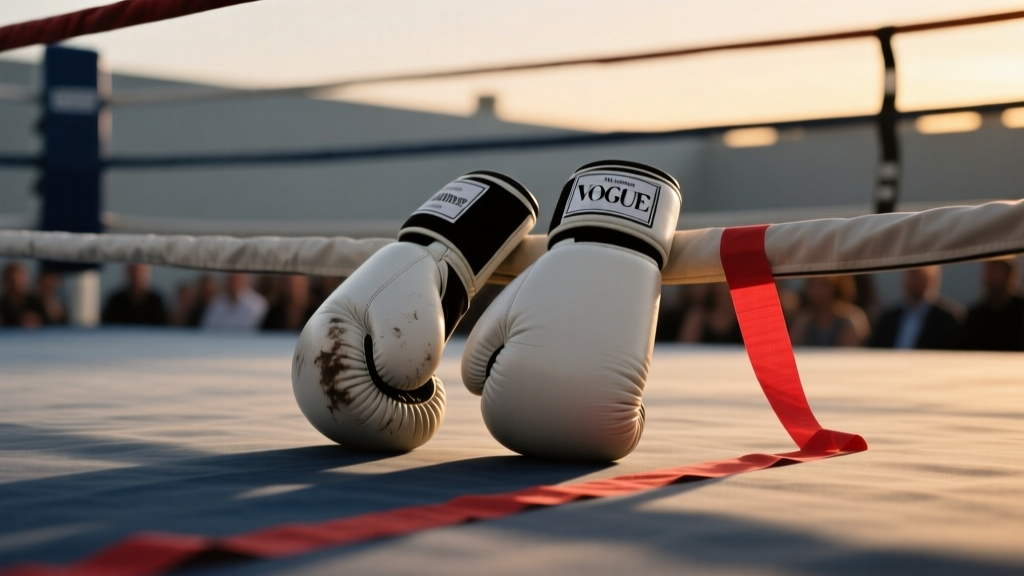 How Long Are Rounds in Boxing? Full Breakdown
 Who Made Cricket? Origins and Inventors Explained
 Why Are Super Bowl Tickets So Expensive?
 LSU Baseball Today: Time, TV, & How to Watch