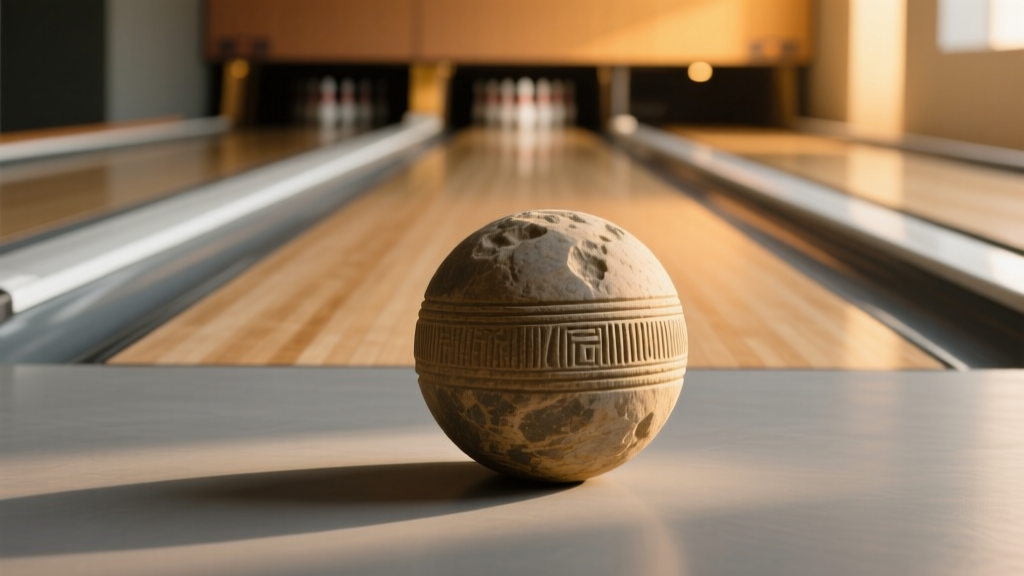
Bowling Origins: Ancient Roots & Modern Evolution
Bowling originated in ancient Egypt, with evidence suggesting a form of the game was played over 5,000 years ago, though modern bowling evolved in 19th-century Germany and was standardized in the United States.
History of Bowling: From Ancient Pastimes to Modern Sport
Bowling is one of the oldest known recreational activities, with roots tracing back thousands of years. While the game has evolved dramatically, its core concept—rolling objects to knock down pins—has remained consistent across civilizations.
Early Evidence of Bowling-Like Games
- Ancient Egyptians may have played a version of bowling around 3200 BCE, as archaeologist Hermann Kuhn discovered miniature pins and balls in a child's tomb.
- In Germany, a religious ceremony involving rolling a ball at a pin emerged in the 3rd century CE, associated with the cult of Saint Ulrich.
- Middle Ages Europeans played various outdoor lawn games similar to skittles, a direct ancestor of modern bowling.
Evolution of Modern Bowling
The transition from folk games to standardized rules occurred primarily in 19th-century Europe and America. German immigrants brought "Kegelspiel" (kegel playing) to the U.S., where it merged with English skittles traditions.
Key Developments in Bowling History
- 1840s: First indoor bowling alleys appeared in New York City.
- 1875: The National Bowling Association was founded in the U.S., uniting local clubs.
- 1895: The American Bowling Congress (ABC) was established, standardizing rules, equipment, and lane dimensions.
- 1950s: Automation of pin-setting and ball returns revolutionized the sport, leading to a post-war boom.
Global Spread and Cultural Impact
Bowling became a global phenomenon in the 20th century, particularly after being introduced as an exhibition sport in the 1988 Seoul Olympics. Today, it is enjoyed in over 90 countries.
| Era | Region | Game Name | Key Features | Historical Significance |
|---|---|---|---|---|
| 3200 BCE | Ancient Egypt | Proto-bowling | Ball and nine small stones arranged in a triangle | Earliest physical evidence found in burial sites |
| 3rd Century CE | Germany | Kegel | Religious ritual; target represented sin | Led to "kegeln" and influenced American term "bowler" |
| 14th Century | England | Skittles | Outdoor play, nine-pin setup, wooden balls | Prohibited by law due to gambling and distraction from archery |
| 1895 | United States | Ten-Pin Bowling | Standardized lanes (60 ft), oil patterns, automatic scoring | Founded ABC; basis for modern competitive play |
| 1952 | International | Fédération Internationale des Quilleurs (FIQ) | Global governance, world championships | Now World Bowling; oversees Olympic recognition efforts |
The data shows how bowling transformed from localized rituals into a globally regulated sport. Key milestones include religious origins in Germany, prohibition in England due to social concerns, and formalization in the U.S., which catalyzed international growth through standardization.
Bowling Equipment and Rule Standardization
Modern ten-pin bowling uses precise specifications: balls up to 16 lbs, 4.25-inch diameter pins, and 60-foot maple or synthetic lanes. The ABC (now USBC) and World Bowling set global standards for fairness and competition integrity.
Where Did Bowling Originate: Common Questions
Where did bowling originate?
Bowling originated in ancient Egypt around 3200 BCE, based on archaeological findings. However, the modern version of the game developed in Germany and was standardized in the United States in the 19th century.
Was bowling ever banned in history?
Yes, in 14th-century England, bowling was banned because it distracted people from practicing archery, which was vital for national defense. Similar restrictions existed in other European regions due to gambling concerns.
How did bowling become popular in the United States?
Bowling gained popularity in the U.S. through German immigrants who introduced kegeln. Urbanization and the creation of indoor alleys in the 1800s, followed by automation in the 1950s, made it accessible and led to widespread recreational adoption.
Is bowling an Olympic sport?
As of 2025, bowling is not an official Olympic sport, though it was a demonstration sport in 1988. World Bowling continues to campaign for inclusion, citing global participation and structured competition formats.
What are the different types of bowling?
The main types include ten-pin (most common in the U.S.), nine-pin (popular in Europe), candlepin (New England), duckpin (Mid-Atlantic U.S.), and lawn bowling (played outdoors on grass). Each varies in pin size, ball design, and rules.
More Articles
 Who Has Most Grand Slams in Tennis? (2025 Update)
 When Does Arkansas Baseball Play Next? Game Time & Schedule
 Where to Watch Tennis Replay Matches Online
 How Long Does a Professional Baseball Game Last?
 Who Won the 2017 Masters Tournament?
 Badminton Court Size: Official Dimensions Explained
 Who Has Won the Most Grand Slam Titles in Tennis?
 Who Is Boxing on ESPN Tonight? Full Fight Card & Start Time
 How Many Super Bowl Rings Does Aaron Rodgers Have?
 How Much Does It Cost to Golf at Pebble Beach?